
Are you curious how “perpetual futures” let you trade price movements without owning the underlying asset, and why regulators are suddenly paying close attention? This article breaks down the mechanics of perpetual contracts, the role of regulators, and what the landscape means for anyone looking to earn passive income through crypto derivatives.
The plain explanation
A perpetual future (often shortened to “perp”) is a type of derivative contract that mimics a traditional futures contract but has no set expiration date. Traders can hold the position indefinitely, as long as they meet the contract’s margin requirements. The price of a perp is designed to stay close to the spot price of the underlying asset—whether that’s a stock, a cryptocurrency, or another commodity—through a funding mechanism.
The funding rate is a periodic payment exchanged between long (buyers) and short (sellers) positions. If the perp trades above the spot price, longs pay shorts; if it trades below, shorts pay longs. This incentive nudges the contract price back toward the spot price, preventing large, sustained divergences.
Because perps are settled in cash (or the native token of the platform), traders never actually own the underlying asset. Instead, they gain exposure to price changes, allowing for leveraged positions—often 10x, 20x, or more—while only posting a fraction of the total trade value as collateral.
Key terms to know:
- Leverage: Borrowing capital to increase the size of a position relative to the amount of margin posted.
- Margin: The collateral required to open and maintain a leveraged position.
- Funding rate: The periodic payment that aligns the perp price with the underlying spot price.
- Liquidation: The forced closing of a position when margin falls below the required level.
A real example
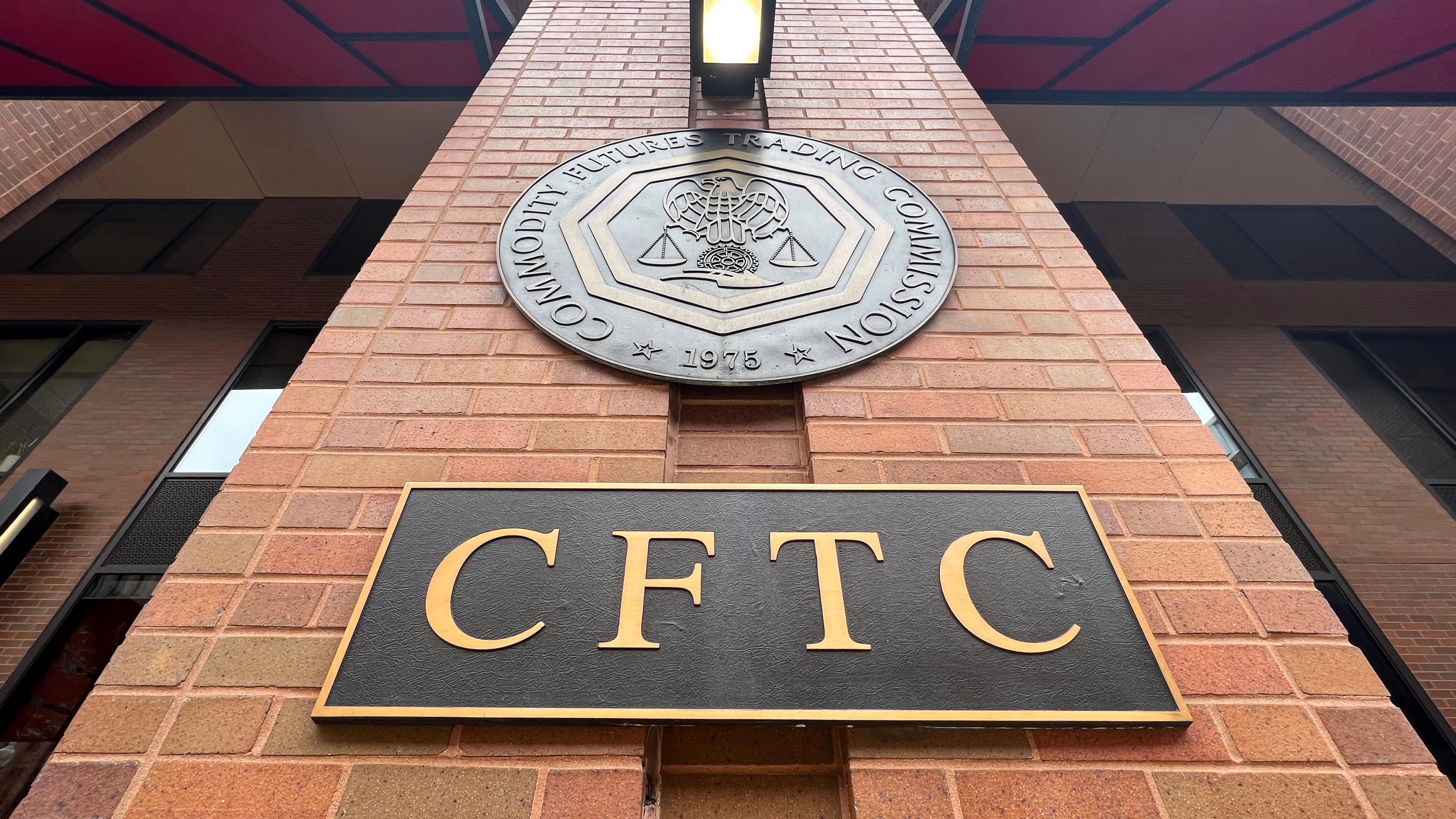
In March 2026, a coalition of firms led by Citadel Securities filed a lawsuit against the U.S. Commodity Futures Trading Commission (CFTC). The suit argued that the regulator’s decision to allow cryptocurrency‑based perpetual contracts fell outside its jurisdiction and should instead be overseen by the Securities and Exchange Commission (SEC). This legal clash highlights the regulatory gray area that surrounds perps, especially when they involve crypto assets.
What it means for you
If you are considering earning passive income by providing liquidity to perpetual futures platforms, or by trading perps with leverage, regulatory uncertainty can affect both the availability of products and the safety of your funds. A regulator’s stance may lead to:
- Changes in which platforms can legally offer crypto perps in your jurisdiction.
- New compliance requirements, such as KYC (Know Your Customer) and AML (Anti‑Money Laundering) checks.
- Potential suspension or modification of existing contracts if a court rules they belong to a different regulator.
These shifts can impact the continuity of rewards you might earn from liquidity mining or trading strategies that rely on stable funding rates.
What to check / how to judge
- Regulatory jurisdiction: Verify whether the platform is registered with the appropriate regulator (CFTC, SEC, or a local authority). Look for publicly available licensing information.
- Funding rate transparency: Choose platforms that publish historical funding rates and explain how they are calculated. Consistent, predictable funding helps you estimate potential earnings.
- Margin and liquidation safeguards: Ensure the platform offers clear margin requirements, early warning systems, and reasonable liquidation penalties.
- Insurance or reserve funds: Some platforms maintain a reserve to cover shortfalls in extreme market moves. Check if such a safety net exists.
- Legal updates: Stay informed about ongoing regulatory actions, such as the Citadel‑led lawsuit, because they can signal upcoming changes to product availability.
FAQ
What is the difference between a perpetual future and a regular futures contract?
A regular futures contract has a fixed expiration date, after which it settles either in cash or by delivering the underlying asset. A perpetual future never expires; it relies on the funding rate to keep its price aligned with the spot market.
Can I lose more than my initial investment when trading perps?
Yes. Because perps use leverage, a rapid adverse price move can trigger liquidation, wiping out your margin and potentially leaving you owing additional funds if the platform does not have a bankruptcy‑protective insurance fund.
Do I need to be a professional trader to use perpetual contracts?
No, but you should understand leverage, margin calls, and funding rates. Beginners are advised to start with low leverage, use stop‑loss orders, and only allocate money they can afford to lose.
How do regulatory decisions affect the rewards I earn from liquidity provision?
If a regulator restricts a platform’s ability to offer crypto perps, the platform may shut down those markets or relocate them to a different jurisdiction. This can reduce or eliminate the trading fees and funding incentives you earn from providing liquidity.
This article references reporting from coindesk.com.





