
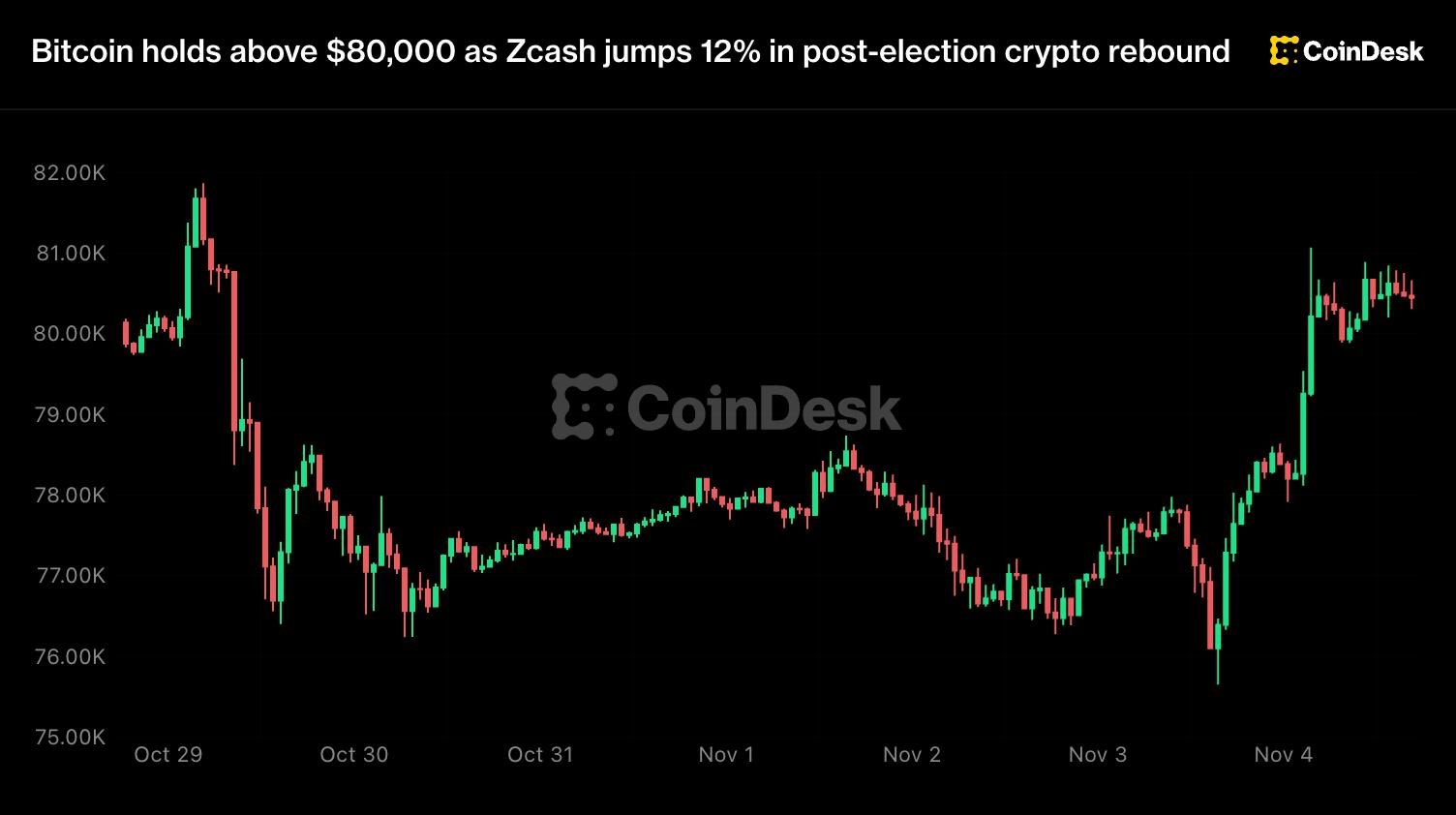
Ever wonder why a digital coin can swing dramatically in a single day? This article explains the key factors that move cryptocurrency prices and how they interact, so you can better understand the forces behind the charts.
What actually drives crypto prices?
Cryptocurrency prices are set by supply and demand on exchanges, just like stocks or commodities. When more people want to buy a coin than sell it, the price rises; when more want to sell than buy, it falls. Several specific drivers shape that balance:
- Market sentiment: News, social media chatter, and public perception create optimism or fear, prompting traders to buy or sell.
- Macro‑economic conditions: Inflation rates, currency strength, and commodity prices affect how investors allocate capital. A weaker U.S. dollar, for example, often makes crypto appear more attractive as an alternative store of value.
- Regulatory outlook: Legislation, enforcement actions, or policy signals from governments can either reassure investors or raise concerns about future restrictions.
- Technical factors: Mining rewards, network upgrades, or changes in token supply (such as halvings) alter the underlying economics of a coin.
- Cross‑asset correlations: Cryptocurrencies sometimes move in step with traditional markets like equities, oil, or gold, especially when investors shift between risk‑on and risk‑off assets.
Each factor can act alone or combine with others, creating the complex price patterns you see on charts.
Real‑world illustration
In March 2026, Bitcoin held above $80,000 while Zcash jumped 12% and Ether rose 8%. Analysts linked the rally to three concurrent influences: falling oil prices, a weaker U.S. dollar, and a more optimistic view of upcoming U.S. crypto legislation. Lower oil prices eased inflation worries, reducing pressure on the dollar and prompting investors to look for alternative assets. At the same time, signals that U.S. lawmakers might adopt a clearer regulatory framework boosted confidence in the sector, encouraging buying across multiple coins.
What it means for you
If you aim to earn passive income through staking, mining, or cloud rewards, understanding price drivers helps you anticipate periods of higher or lower returns. A rising market can increase the fiat value of your rewards, while a downturn may diminish them even if the underlying protocol remains healthy. Recognizing the broader forces at play lets you decide whether to hold, re‑balance, or temporarily pause new investments.
How to evaluate a crypto’s price environment
- Check recent macro data: inflation reports, commodity price trends, and currency strength can hint at risk appetite.
- Monitor regulatory news: official statements, bills, or enforcement actions often precede price moves.
- Gauge sentiment on social platforms and forums: spikes in mentions or trending hashtags often precede buying pressure.
- Look at cross‑asset performance: if equities are rallying, crypto may follow; if they’re falling, crypto could act as a safe‑haven or also decline.
- Review technical events: upcoming halvings, network upgrades, or changes in token supply can create predictable price patterns.
FAQ
Why do some coins rise while others fall during the same market move?
Each cryptocurrency has its own supply dynamics, use case, and community sentiment. Even if overall market sentiment is positive, a coin with recent negative news or technical issues may lag behind.
Can I protect my earnings from price volatility?
Using stablecoins to receive rewards, diversifying across multiple assets, and setting stop‑loss limits are common ways to reduce exposure to sudden price swings.
Do macro‑economic trends affect all crypto equally?
Not equally. Coins that are more widely recognized as stores of value, like Bitcoin, tend to react more strongly to macro trends such as dollar strength, while utility tokens may be more sensitive to network‑specific news.
How often should I reassess the factors influencing my crypto holdings?
Regularly—at least once a month or after any major economic report or regulatory announcement—so you can adjust your strategy before significant price shifts occur.
This article references reporting from coindesk.com.





