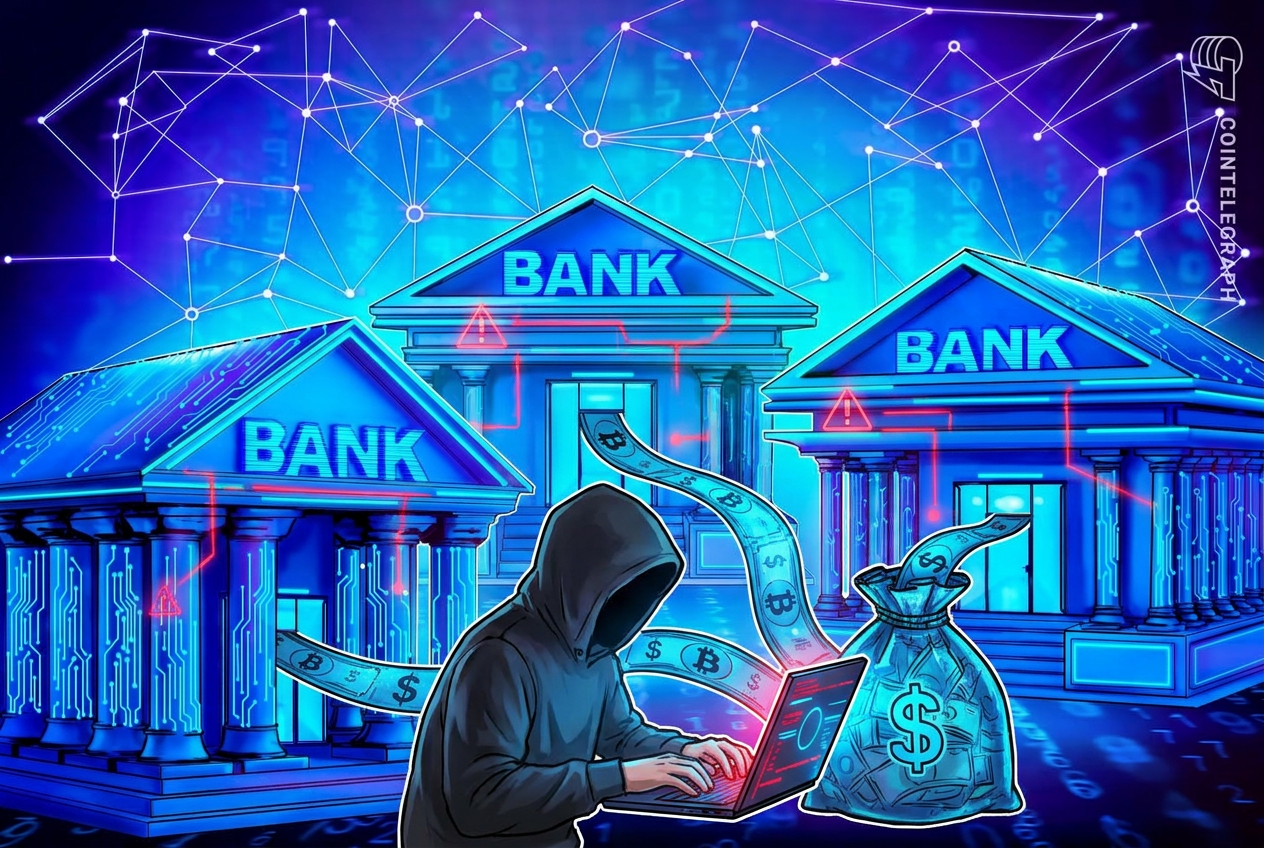
Ever wonder why a cyberattack on a bank can end up with millions of dollars disappearing into cryptocurrency wallets? This article explains how attackers exploit third‑party service providers, move stolen funds onto crypto exchanges, and what you can do to protect yourself when such incidents occur.
What a service‑provider breach actually is
A service‑provider breach occurs when hackers gain unauthorized access to a company’s systems not directly, but through a vendor that supplies software, cloud services, or other outsourced functions. The vendor’s platform often has privileged connections to the client’s internal network, making it a convenient backdoor for attackers.
In the context of banks, these providers might host payment processing tools, data analytics services, or cloud infrastructure. Because the vendor’s credentials are trusted, the attacker can move laterally—jumping from the vendor’s environment into the bank’s core systems without triggering the bank’s own security alarms.
Once inside, the criminals look for assets they can quickly move. Fiat money held in the bank’s accounts is attractive because it can be transferred to other financial institutions, and from there, converted into cryptocurrency. Crypto transactions are recorded on public blockchains, which are transparent but pseudonymous, allowing thieves to obscure the ultimate destination of the funds while still leaving a traceable trail.
How stolen fiat turns into crypto
After gaining access, attackers typically initiate a series of rapid transfers to external accounts. These accounts are often set up at multiple banks or payment processors to avoid detection. Once the money reaches a “cash‑out” point, the criminals use crypto exchanges—platforms that let users buy, sell, and withdraw digital assets—to convert the fiat into cryptocurrencies such as Bitcoin or stablecoins.
Crypto exchanges require users to complete identity verification (KYC) and may monitor large transactions, but the speed of transfers and the use of multiple accounts can make it difficult for the exchanges to flag every suspicious movement in real time. When the theft is finally noticed, the funds may already be dispersed across several wallets, complicating recovery efforts.
Real‑world illustration: the Crédit Mutuel Arkéa attack
In November 2026, French banking group Crédit Mutuel Arkéa announced that it had resumed most operations after a cyberattack. The attackers did not breach the bank’s online banking subsidiary Fortuneo directly; instead, they accessed the institution through a service provider’s platform. From there, they transferred the bank’s own money to other financial institutions, likely with the intention of converting it into cryptocurrency.
Blockchain analytics firm Bitquery traced withdrawals from accounts at major exchanges Kraken, Crypto.com and OKX. Independent on‑chain researcher ZachXBT identified more than $106 million in suspicious withdrawals, later raising the estimate to over $133 million as additional transfers were uncovered. The exchanges responded by freezing or restricting the implicated accounts, but the incident highlighted how quickly stolen fiat can disappear into the crypto ecosystem.
What this means for you
If you hold accounts at banks or use crypto exchanges, a breach at a third‑party vendor could indirectly affect you. While banks often assure customers that funds remain safe, the delay in transfers and the potential for temporary service interruptions can impact your ability to move money when you need it.
For crypto users, the incident underscores the importance of choosing exchanges with robust compliance and monitoring practices. Even reputable platforms can become unwitting conduits for illicit funds, so staying informed about their security measures helps you gauge the risk of your assets being caught up in a larger theft.
How to assess the safety of a service provider or exchange
- Vendor security certifications: Look for ISO 27001, SOC 2, or similar attestations that indicate the provider follows industry‑standard security controls.
- Transparency reports: Exchanges that publish regular transparency or compliance reports demonstrate a willingness to cooperate with regulators and investigators.
- Multi‑factor authentication (MFA): Ensure both the bank and any exchange you use require MFA for account access and transaction approvals.
- Transaction monitoring: Platforms that employ real‑time analytics to flag unusually large or rapid movements of funds are better equipped to stop illicit activity early.
- Insurance and fund protection: Some exchanges offer insurance coverage for digital assets; banks may have deposit insurance schemes. Knowing the extent of these protections can reduce potential losses.
FAQ
Why can’t banks always stop a theft that starts with a vendor breach?
Because the attacker uses the vendor’s trusted connection to bypass the bank’s own security layers. The bank may not detect the intrusion until the malicious transfers are already in progress, especially if the vendor’s systems are not monitored as closely as the bank’s core infrastructure.
Are crypto exchanges safe from being used to launder stolen money?
Reputable exchanges implement KYC, AML (anti‑money‑laundering) checks, and transaction monitoring, but no system is foolproof. Rapid, multi‑exchange transfers can still evade detection, which is why exchanges cooperate with law enforcement and blockchain analytics firms to trace suspicious activity.
What should I do if I notice an unexpected transfer from my bank account?
Contact your bank immediately and request a freeze on the affected account. Also, monitor any linked crypto exchange accounts for unauthorized withdrawals and report them to the exchange’s support team.
Can I protect my crypto holdings from being frozen during a theft investigation?
Using hardware wallets or cold storage keeps your private keys offline, meaning your assets are not directly accessible through an exchange. However, if you regularly trade on an exchange, keep only the amount you need for transactions online and store the rest securely offline.
This article references reporting from cointelegraph.com.