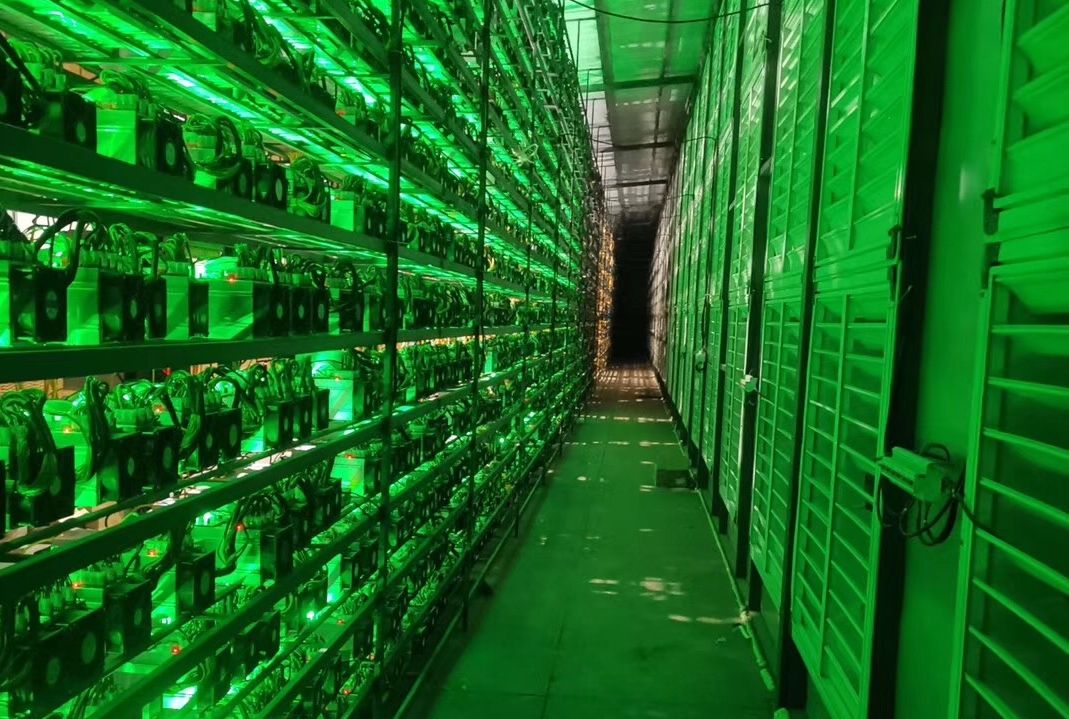
Are you wondering why a drop in Bitcoin’s price can suddenly make mining seem unprofitable, even for those who run a few machines at home? This article explains the core factors that determine mining profitability, how price volatility influences earnings, and what you can do to protect your mining venture.
The plain explanation
Bitcoin mining is the process of validating transactions and adding new blocks to the blockchain. Miners use specialized hardware—most commonly ASIC (Application‑Specific Integrated Circuit) machines—to solve cryptographic puzzles. The first miner to solve a puzzle earns a block reward, which currently consists of newly minted bitcoins plus any transaction fees included in that block.
Profitability hinges on three main variables:
- Revenue per block: Determined by the market price of Bitcoin and the total fees collected. Higher prices mean each newly minted coin is worth more.
- Hashrate and difficulty: The network’s total computing power (hashrate) and the mining difficulty adjust roughly every two weeks to keep block times at ten minutes. As more miners join, difficulty rises, making it harder for any single miner to win a block.
- Operating costs: Primarily electricity and hardware depreciation. Efficient machines consume less power per unit of work, reducing the cost side of the equation.
When revenue exceeds operating costs, miners earn a profit; when costs are higher, they run at a loss. Because the block reward is fixed (until the next halving) and difficulty adjusts automatically, the main lever that changes revenue is the price of Bitcoin.
A real example
In October 2026, VanEck reported that Bitcoin miners were “oversold” after a 35 % price drop that month. Investors had also dumped AI infrastructure providers, treating disparate sectors as a single trade. The sharp decline in Bitcoin’s price reduced the dollar value of each block reward, pushing many miners into unprofitable territory. This illustrates how a broad market sell‑off can quickly affect mining economics.
What it means for you
If you operate a small mining rig or participate in a cloud‑mining contract, a sudden price dip can erode your margins within days. Unlike large industrial operations that can negotiate lower electricity rates or spread costs over many machines, hobbyist miners feel the impact more acutely. During prolonged downturns, some miners choose to shut down equipment temporarily to avoid paying more for electricity than they earn.
Understanding the break‑even point—where revenue equals costs—helps you decide when to keep mining, pause, or sell hardware. It also highlights the importance of diversifying income streams, such as combining mining with other crypto‑related passive income opportunities.
What to check / how to judge
- Electricity cost per kilowatt‑hour (kWh): Calculate your total power draw and compare it to the current Bitcoin price. Online calculators can show the exact break‑even price for your setup.
- Hardware efficiency: Newer ASIC models deliver more hashes per watt. If your equipment is several years old, the efficiency gap may make profitability impossible at current prices.
- Difficulty trend: Monitor the network difficulty chart. A rapidly rising difficulty indicates more competition, which can squeeze margins.
- Market outlook: While price predictions are speculative, watching broader crypto market sentiment—such as large institutional inflows or macroeconomic news—can give clues about upcoming price moves.
- Alternative earnings: Some platforms offer “cloud rewards” or staking‑like programs that pay a portion of mining revenue without requiring you to own hardware. Evaluate the transparency and fee structure before joining.
FAQ
Why does Bitcoin’s price affect my mining earnings?
The block reward is paid in bitcoins. If the price drops, each bitcoin you earn is worth less in fiat currency, reducing total revenue while your electricity and hardware costs stay the same.
Can I keep mining when the price is low?
You can, but you may be operating at a loss. Many miners pause operations during deep price dips to avoid negative cash flow, then restart when the price recovers.
How often does mining difficulty change?
Difficulty adjusts every 2,016 blocks, roughly every two weeks, to maintain a ten‑minute block interval regardless of total network hashrate.
Is cloud mining safer than running my own hardware?
Cloud mining removes the need for upfront hardware purchases and electricity management, but it introduces counterparty risk. Always verify the provider’s reputation, fee structure, and contract terms before committing funds.
This article references reporting from coindesk.com.