Are you wondering how autonomous AI agents can be trusted when they operate without human oversight? This article explains how blockchain technology can provide the identity and reputation frameworks that make AI agents reliable and accountable.
What is an AI agent and why does it need trust?
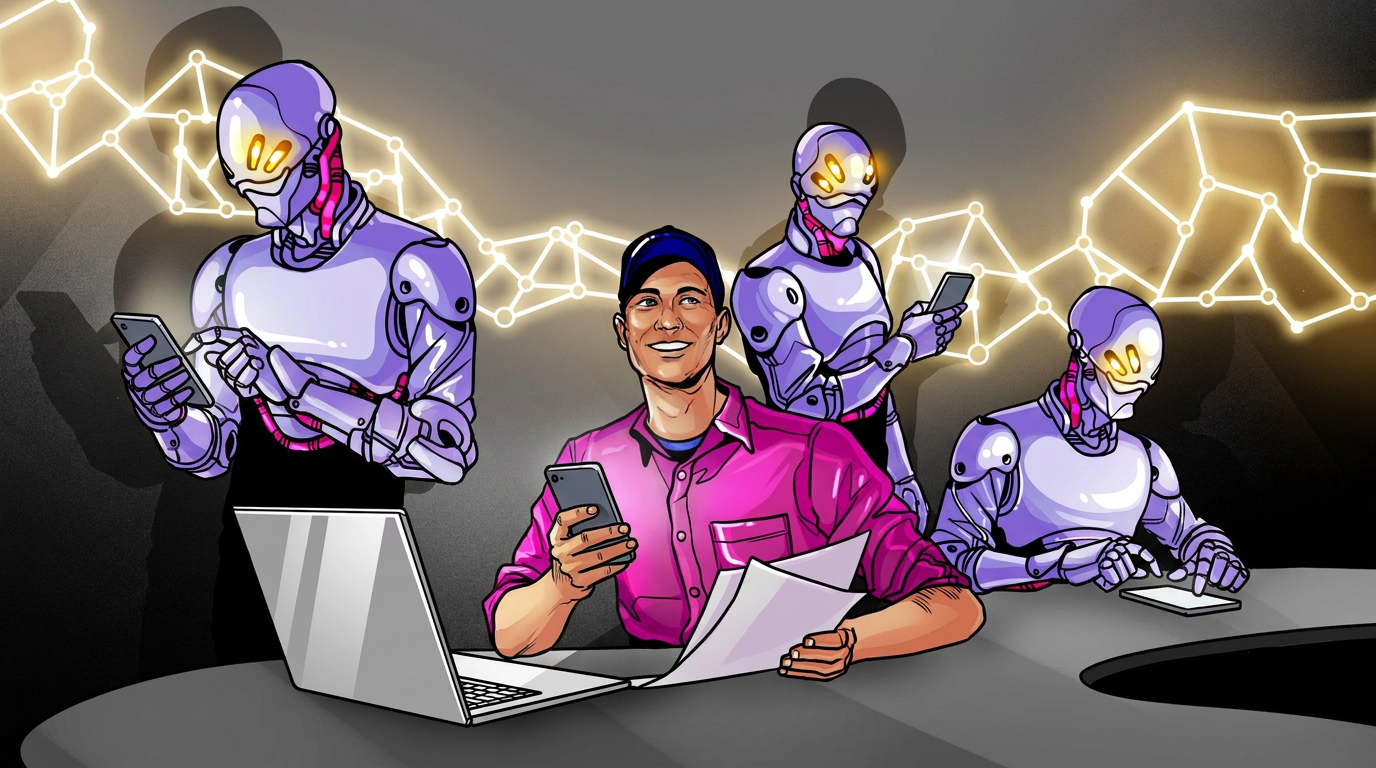
An AI agent is a software program that can act on behalf of a user or organization, making decisions, executing transactions, or providing services without direct human input. Examples include chatbots that book appointments, trading bots that execute orders, or virtual assistants that manage inventory. Because these agents can act 24/7 and often handle valuable assets, users need assurance that the agent will behave as expected and that its creator is accountable. Trust in this context means two things: confirming the agent’s identity (who it is) and tracking its reputation (how it has performed over time).
How blockchain provides identity and reputation
Blockchain is a distributed ledger that records transactions in a tamper‑proof way. Its key properties—decentralization, immutability, and transparency—make it well suited for identity and reputation systems.
- Digital passports: Each AI agent can be assigned a unique cryptographic address (a public key) on a blockchain. This address acts like a digital passport, proving the agent’s identity without relying on a central authority.
- Immutable records: Every interaction an agent has—such as completing a task, processing a payment, or receiving a rating—can be logged as a transaction on the chain. Because the data cannot be altered retroactively, the history is trustworthy.
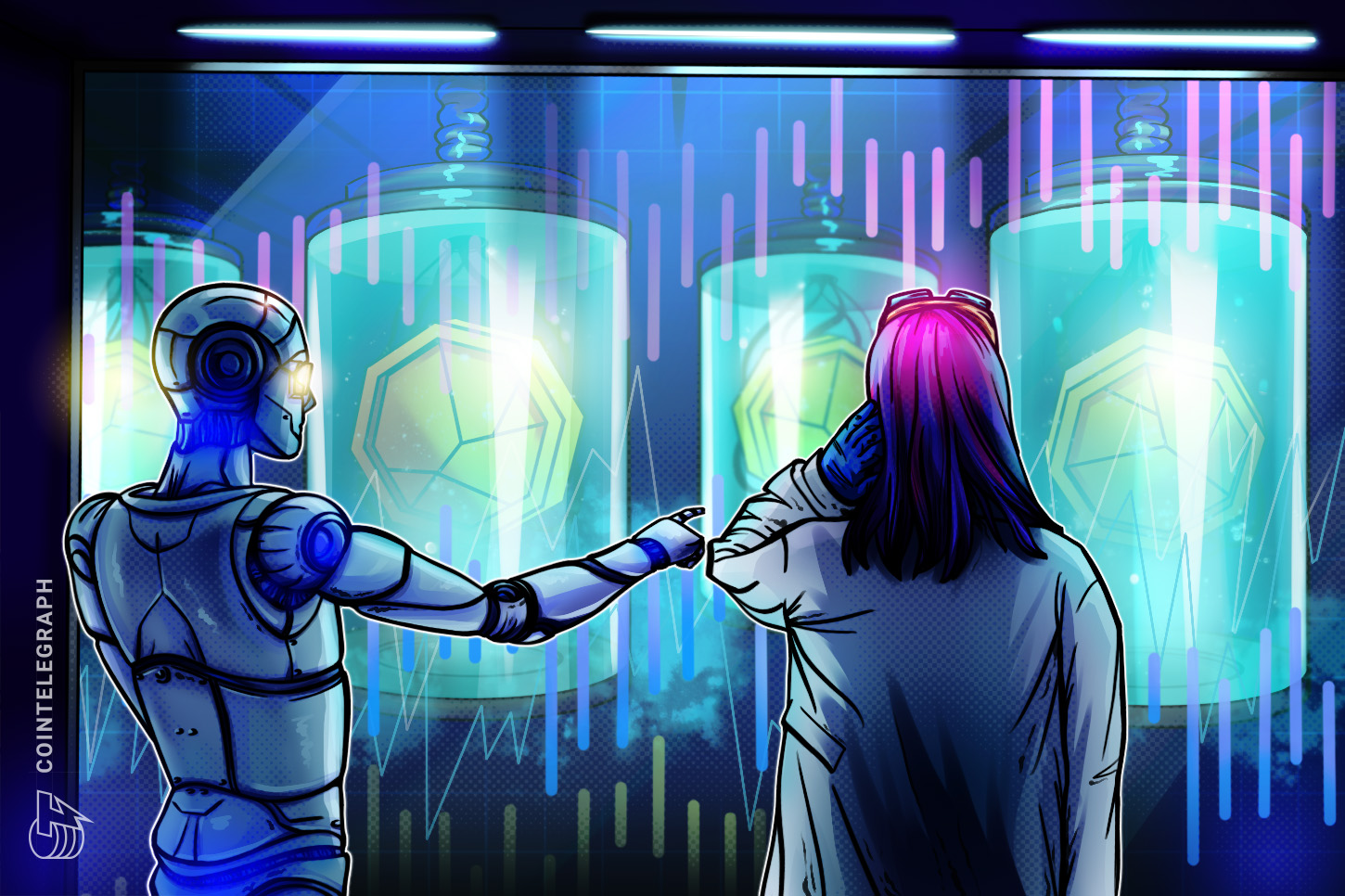
- Reputation scores: By aggregating performance metrics stored on the blockchain, a reputation score can be calculated. Smart contracts—self‑executing code that runs on the blockchain—can automatically update these scores based on predefined rules.
- Decentralized credibility: Since the ledger is maintained by many independent nodes, no single party can erase or falsify an agent’s record. Users can verify an agent’s past behavior themselves, fostering public confidence.
Real‑world illustration
In November 2026, VeChain co‑founder and CEO Sunny Lu argued that “the perfect solution is a blockchain” for AI agent trust while promoting the agent‑building platform VeWorld.ai. Lu described a vision where agents carry digital passports and operate within a decentralized credibility system that tracks both the agents’ and their creators’ reputations. Smart contracts would settle transactions between agents or between agents and people, creating a transparent, accountable ecosystem.
What this means for you
If you are considering using AI agents to automate tasks—whether for personal finance, e‑commerce, or content creation—blockchain‑based identity and reputation can reduce the risk of fraud or malfunction. A verified digital passport assures you that the agent you interact with is the one advertised, while an on‑chain reputation score lets you gauge its past reliability before committing resources.
How to evaluate a blockchain‑backed AI agent platform
- Check the underlying blockchain: Public, permissionless chains (e.g., Ethereum, VeChain) offer greater transparency than private, closed ledgers.
- Review the identity model: Look for cryptographic address assignment and clear documentation of how agents are registered.
- Assess reputation mechanisms: Understand what metrics are recorded, how scores are calculated, and whether they are visible to users.
- Smart contract audit: Verify that the platform’s contracts have been audited by reputable security firms to avoid hidden vulnerabilities.
- Community and governance: Active governance processes and an engaged community indicate that the platform can adapt to emerging risks.
FAQ
What is the difference between a public and a private blockchain for AI agents?
A public blockchain is open to anyone to read and write (subject to consensus rules), providing maximum transparency and resistance to censorship. A private blockchain is controlled by a single organization, which can limit access and potentially introduce trust issues because the ledger is not independently verifiable.
Can I create an AI agent without any coding knowledge?
Some platforms, like VeWorld.ai, offer visual tools that let non‑developers define an agent’s behavior and connect it to blockchain identity services. However, understanding basic concepts such as smart contracts and cryptographic keys will still be beneficial.
Do blockchain reputation scores guarantee an agent will never act maliciously?
No. While immutable records make it harder to hide past misbehavior, a reputation system only reflects observed actions. New or sophisticated attacks could still occur, so users should combine on‑chain data with other risk‑management practices.
Will using blockchain increase the cost of running an AI agent?
Interacting with a blockchain typically requires paying transaction fees (often called “gas”). The cost depends on network congestion and the complexity of the operations. Some platforms mitigate fees by batching transactions or using layer‑2 scaling solutions.
This article references reporting from cointelegraph.com.