
Are you considering a job at a blockchain foundation or crypto startup and wondering how to protect your rights if something goes wrong? This article explains the basic legal protections employees have, how they apply in the crypto sector, and what you can do to assess risk before you sign on.
What workplace rights actually mean
In most countries, employment law sets out minimum standards that employers must follow. These include anti‑discrimination rules (protecting people from unfair treatment based on race, gender, disability, etc.), retaliation prohibitions (banning punishment for reporting wrongdoing), and medical leave entitlements (such as the Family and Medical Leave Act in the United States). When an employee believes an employer has violated these rules, they can file a complaint with a government agency or bring a civil lawsuit.
Key terms you should know:
- Disability discrimination: Treating an employee unfavorably because of a physical or mental condition that substantially limits a major life activity.
- Retaliation: Any adverse action (like termination or demotion) taken because an employee exercised a legal right, such as filing a complaint or taking medical leave.
- Medical leave rights: Legal protections that allow employees to take time off for serious health conditions without losing their job.
These protections apply regardless of the industry, but the fast‑moving, often remote nature of crypto teams can create gray areas. For example, many projects operate as non‑profits, foundations, or loosely‑structured entities, which sometimes leads to confusion about which labor laws apply.
Real‑world illustration
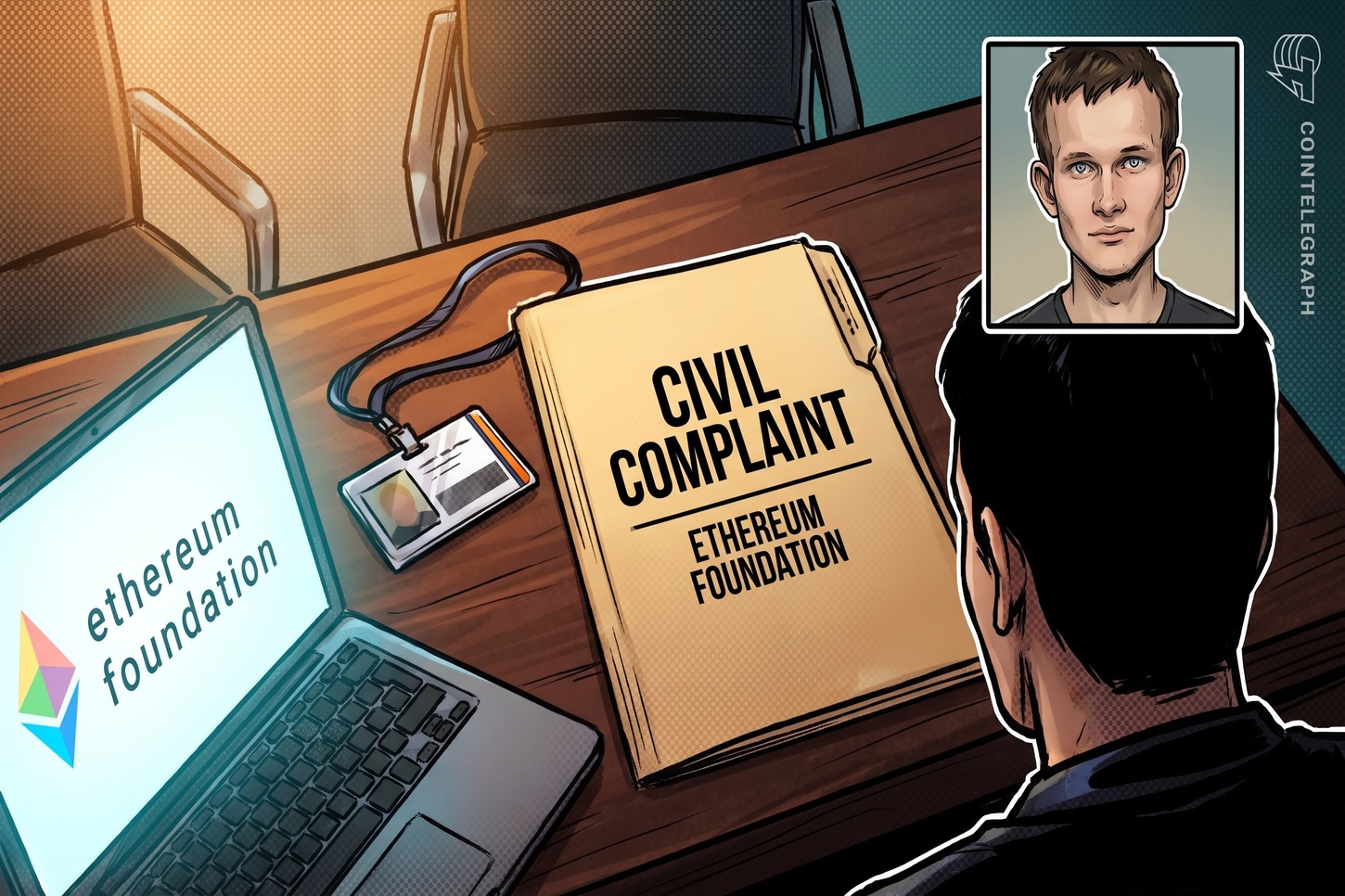
In November 2026, a former employee of the Ethereum Foundation filed a lawsuit alleging she was fired shortly after disclosing a cancer diagnosis and after helping organize a staff letter that challenged a new internal mandate. The complaint claims disability discrimination, retaliation, and interference with medical‑leave rights. While the case is still pending, it highlights how standard employment protections intersect with the unique culture of crypto organizations.
What this means for you
If you are looking to earn a salary or a stipend from a blockchain project, you should assume the same basic rights you would have at any other company. However, you may also need to be proactive because:
- Crypto teams often operate across borders, which can affect which jurisdiction’s laws apply.
- Foundations may have governance structures (boards, advisory councils) that influence employment decisions.
- Remote work can blur the line between “employee” and “contractor,” impacting eligibility for benefits.
Understanding these nuances helps you gauge the stability of your potential income and the recourse you have if a dispute arises.
What to check before you join
- Employment classification: Verify whether the role is an employee position or an independent contractor agreement. Employees receive statutory protections; contractors do not.
- Written policies: Ask for the organization’s anti‑discrimination, harassment, and medical‑leave policies. Look for clear procedures on how concerns are reported and addressed.
- Jurisdiction: Identify the legal jurisdiction governing the contract. If the company is incorporated in a different country, research that nation’s labor laws.
- Governance transparency: Review board composition and decision‑making processes. A transparent governance model often correlates with clearer HR practices.
- Severance and dispute clauses: Check whether the agreement includes severance pay, arbitration requirements, or waivers of the right to sue. These clauses affect how you can pursue a claim.
FAQ
Can I be considered an employee if I work remotely for a crypto foundation?
Yes, if the contract labels you as an employee and you receive a regular salary, benefits, and tax withholdings, you are likely an employee, even when working remotely. The location of your work does not change the legal classification.
What should I do if I suspect discrimination at my crypto job?
First, document the incident and any related communications. Then, follow the internal reporting procedure outlined in the company’s policy. If the issue is not resolved, you can file a complaint with the relevant labor agency or consult an employment attorney.
Are there special protections for whistleblowers in the blockchain space?
Whistleblower protections exist in many jurisdictions, covering employees who report illegal activity, fraud, or safety violations. The specifics vary, so it’s important to understand the laws in the country where the employer is based.
Does working for a non‑profit foundation give me more job security?
Non‑profit status does not automatically provide greater job security. The same anti‑discrimination and retaliation laws apply, and the foundation’s governance documents determine how employment decisions are made.
This article references reporting from cointelegraph.com.





