
Do you wonder why a single economic report can make Bitcoin’s price swing while stocks seem to recover? This article explains how macroeconomic indicators—especially inflation numbers—affect cryptocurrency markets and what that means for anyone trying to earn online through mining or staking.
The plain explanation
Macroeconomic indicators are statistics that governments and central banks release to gauge the health of an economy. The most watched among them is the inflation rate, which measures how quickly prices for goods and services are rising. When inflation is high, central banks may raise interest rates to cool spending. Higher rates make borrowing more expensive and can reduce the amount of money flowing into risk‑on assets such as stocks and cryptocurrencies.
Cryptocurrencies, including Bitcoin, are often treated as “alternative assets.” Their price is driven not only by supply and demand on the blockchain but also by how investors allocate capital across the broader financial market. If investors expect tighter monetary policy, they may move money out of speculative assets, causing prices to dip. Conversely, if inflation looks under control, the outlook for lower rates can boost risk appetite and lift crypto prices.
Mining profitability is linked to the market price of the mined coin. Miners earn a block reward plus transaction fees, but they also incur electricity and hardware costs. When the price falls sharply after an inflation report, a miner’s revenue in fiat terms can drop below the cost of production, making the operation less profitable or even unprofitable. This dynamic can lead to a short‑term reduction in hash rate (the total computing power securing the network) as miners shut down or throttle equipment.
A real example
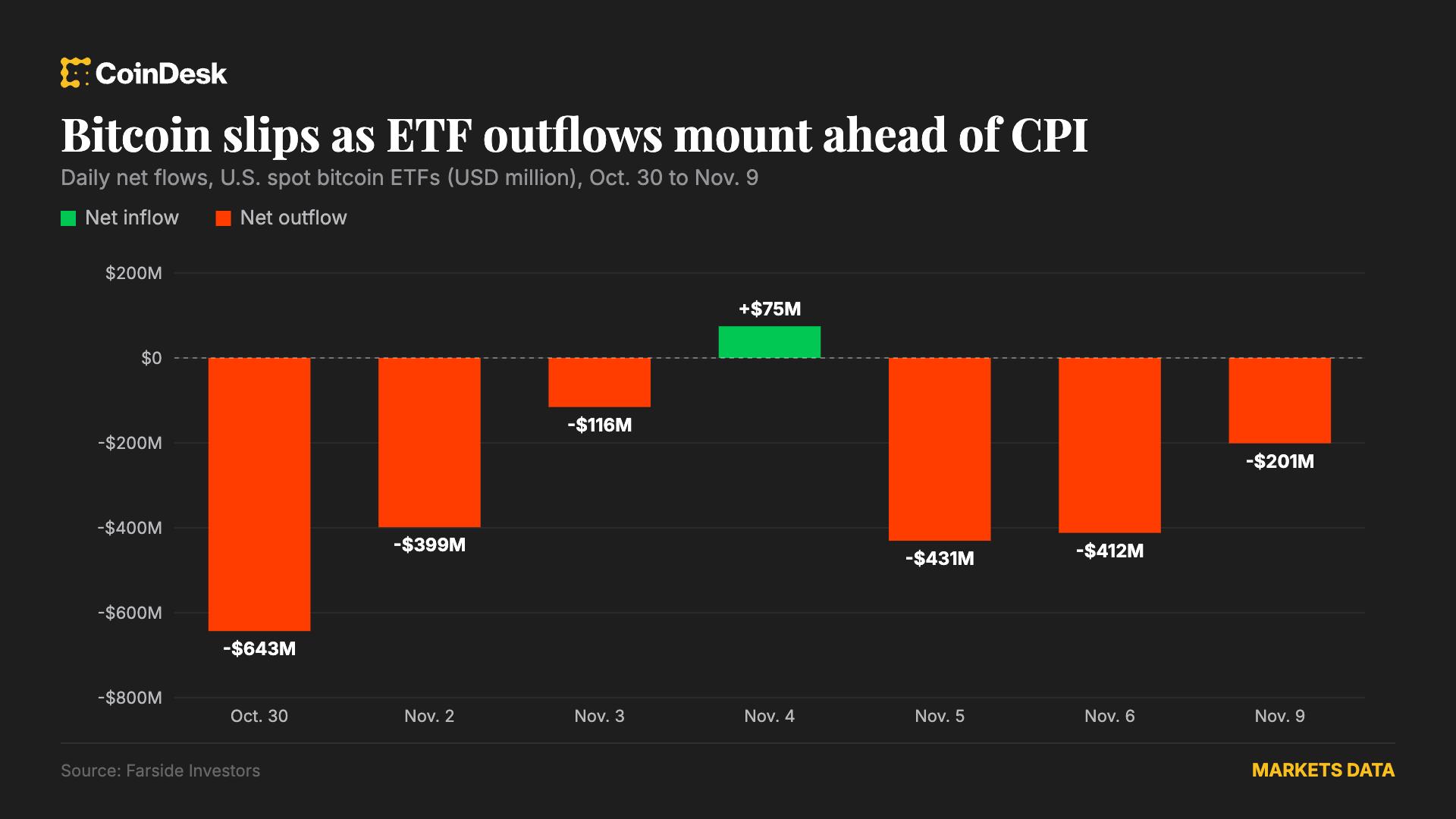
In October 2026, Bitcoin slipped even as U.S. stocks rallied on Monday. Spot Bitcoin exchange‑traded funds (ETFs) lost $201 million as traders waited for the U.S. inflation report scheduled for later that day. The market’s anticipation of the data created a “risk‑off” mood, prompting investors to pull money from crypto‑related products despite the broader equity bounce.
What it means for you
If you are earning online through cloud mining, staking, or running your own hardware, macro data releases can affect your returns in two ways. First, a price drop reduces the fiat value of any rewards you receive. Second, a prolonged dip may cause mining pools to lower payouts or adjust difficulty, which can further shrink earnings.
Understanding the timing of major reports—U.S. Consumer Price Index (CPI), Producer Price Index (PPI), and central bank announcements—helps you anticipate market moves. You can plan to lock in earnings before a likely dip, diversify across assets that react differently to inflation, or use hedging tools such as stablecoin‑based contracts to protect the fiat value of your rewards.
What to check / how to judge
- Economic calendar: Identify upcoming inflation releases, interest‑rate decisions, and employment reports. Websites like the U.S. Bureau of Labor Statistics publish dates well in advance.
- Market sentiment indicators: Look at the risk‑on/risk‑off index, VIX (volatility index), and crypto‑specific sentiment scores to gauge whether investors are likely to shift capital away from crypto.
- Mining cost structure: Calculate your break‑even price by adding electricity rates, hardware depreciation, and pool fees. If the market price falls below this threshold, consider pausing or scaling back.
- Reward stability: Choose platforms that offer transparent reward formulas and allow you to see real‑time earnings in both crypto and fiat terms.
- Diversification: Spread earnings across several coins or combine mining with staking to reduce reliance on a single asset’s price movement.
FAQ
Why does inflation data affect crypto more than traditional assets?
Crypto is still a relatively new asset class, and many investors treat it as a high‑risk speculative investment. When macro data suggests tighter monetary policy, risk‑averse investors quickly reallocate capital, causing sharper price swings in crypto than in more established markets.
Can I protect my mining earnings from price drops?
One common approach is to convert a portion of rewards into stablecoins (cryptocurrencies pegged to a fiat currency) soon after they are earned. This locks in value and reduces exposure to short‑term price volatility.
Do higher interest rates always hurt crypto prices?
Not always. Higher rates can strengthen a fiat currency, making crypto appear cheaper for foreign buyers, which might boost demand. However, the typical short‑term effect is reduced risk appetite, leading many investors to sell crypto assets.
Should I stop mining during inflation reports?
Stopping mining eliminates electricity costs but also forfeits any rewards you would have earned. Instead, monitor the break‑even price and consider scaling back or switching to a lower‑cost pool if the market price consistently falls below your cost threshold.
This article references reporting from coindesk.com.





