
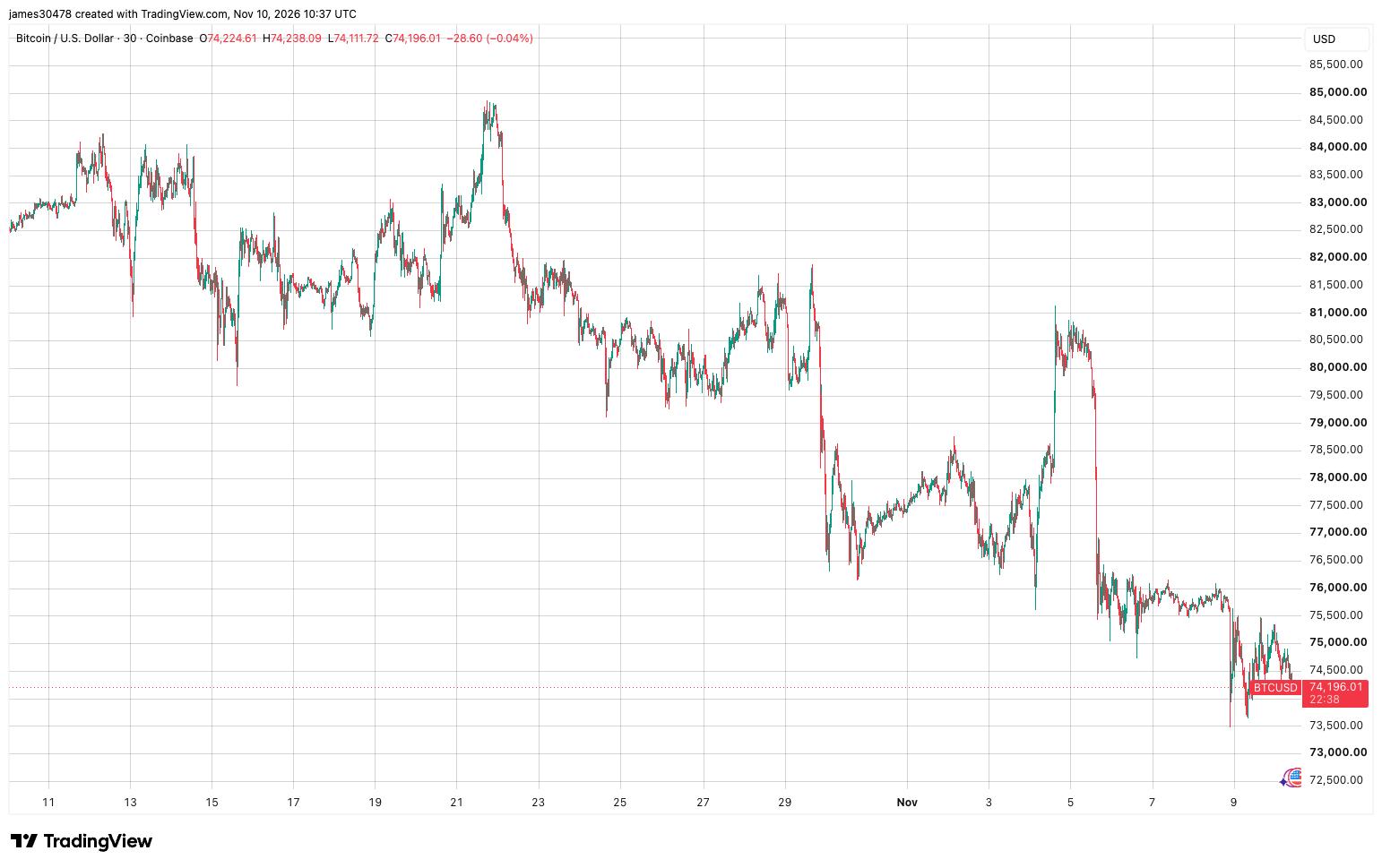
Are you wondering why a central bank’s decision on interest rates can cause Bitcoin’s price to swing? This article explains the relationship between monetary policy, traditional assets, and crypto markets, and shows you what to watch when rates shift.
The basics: what interest rates are and why they matter
Interest rates are the cost of borrowing money, set by a country’s central bank—in the United States, that’s the Federal Reserve (the “Fed”). When the Fed raises its benchmark rate, banks charge more for loans and the return on safe‑haven assets like Treasury bonds rises. Conversely, a rate cut makes borrowing cheaper and lowers yields on low‑risk investments.
Investors constantly compare the expected return on a risky asset (like Bitcoin) with the return they can get from a safe asset (like a U.S. Treasury). If the safe return climbs, the extra risk premium required to hold a volatile asset also rises, often pulling money out of riskier markets. The opposite happens when rates fall: lower safe yields make high‑risk assets more attractive, potentially boosting demand and price.
How the mechanism works for crypto
Crypto assets do not generate cash flow like stocks or bonds, so their valuation relies heavily on investor sentiment and the relative attractiveness of alternative investments. When rates rise, two main forces tend to depress crypto prices:
- Opportunity cost: Higher yields on Treasury bonds or savings accounts mean investors can earn a decent return without exposing themselves to crypto’s volatility.
- Risk aversion: A tighter monetary environment often signals a slowdown in economic activity, prompting investors to shrink exposure to speculative assets.
When rates fall, the opposite forces kick in. Lower yields reduce the opportunity cost of holding crypto, and a more accommodative monetary stance can encourage risk‑taking, both of which can lift demand for Bitcoin and other digital coins.
Real‑world illustration
In March 2026, analysts noted that markets were pricing in a December Fed rate hike ahead of upcoming U.S. inflation data. As expectations of higher rates grew, Bitcoin and gold both retreated, while oil prices fell on easing geopolitical tensions. The price dip in Bitcoin reflected the same dynamics described above: investors anticipated higher safe‑asset yields and consequently reduced exposure to risk‑on assets like crypto.
What this means for you as an online earner
If you earn passive income through crypto mining, staking, or cloud‑based reward platforms, interest‑rate moves can affect the profitability of your activities in two ways. First, a higher‑rate environment may depress the market price of the coins you earn, reducing the fiat value of your rewards. Second, many staking and lending services adjust their reward rates in response to broader financial conditions; a rise in traditional yields can lead to lower on‑chain reward rates as projects compete for capital.
Understanding the macro backdrop helps you set realistic expectations for earnings and decide when to convert crypto rewards into fiat or stablecoins.
What to check before you commit
- Current Fed policy outlook: Follow official statements and reliable economic calendars for upcoming rate decisions.
- Yield comparison: Look at the 10‑year Treasury yield or the rate on high‑quality money‑market funds; compare it to the implied return on your crypto activity.
- Reward structure: Examine whether a staking or cloud‑mining platform adjusts its payouts based on market conditions or keeps them fixed.
- Liquidity needs: Keep a portion of your earnings in a stablecoin or cash to avoid being forced to sell at a low price during a rate‑driven dip.
FAQ
Why does Bitcoin often move in the same direction as gold?
Both assets are seen as stores of value, so they react similarly to changes in risk appetite and safe‑haven demand. When rates rise and safe yields become more attractive, investors may sell both gold and Bitcoin to capture higher returns elsewhere.
Can a single Fed rate hike cause a permanent drop in Bitcoin’s price?
Not usually. Rate hikes influence sentiment and opportunity cost, which can lead to short‑term price corrections. Long‑term trends depend on broader adoption, network fundamentals, and macroeconomic factors beyond interest rates.
Should I stop mining or staking when rates go up?
Stopping isn’t required, but you may want to reassess the fiat value of your rewards versus the cost of electricity, hardware, or platform fees. If the expected fiat return falls below your break‑even point, scaling back could be sensible.
How can I protect my earnings from rate‑driven volatility?
Consider converting a portion of your crypto rewards into stablecoins or cash when you anticipate a rate hike. Diversifying across assets with different sensitivities to interest rates can also smooth out earnings.
This article references reporting from coindesk.com.





