
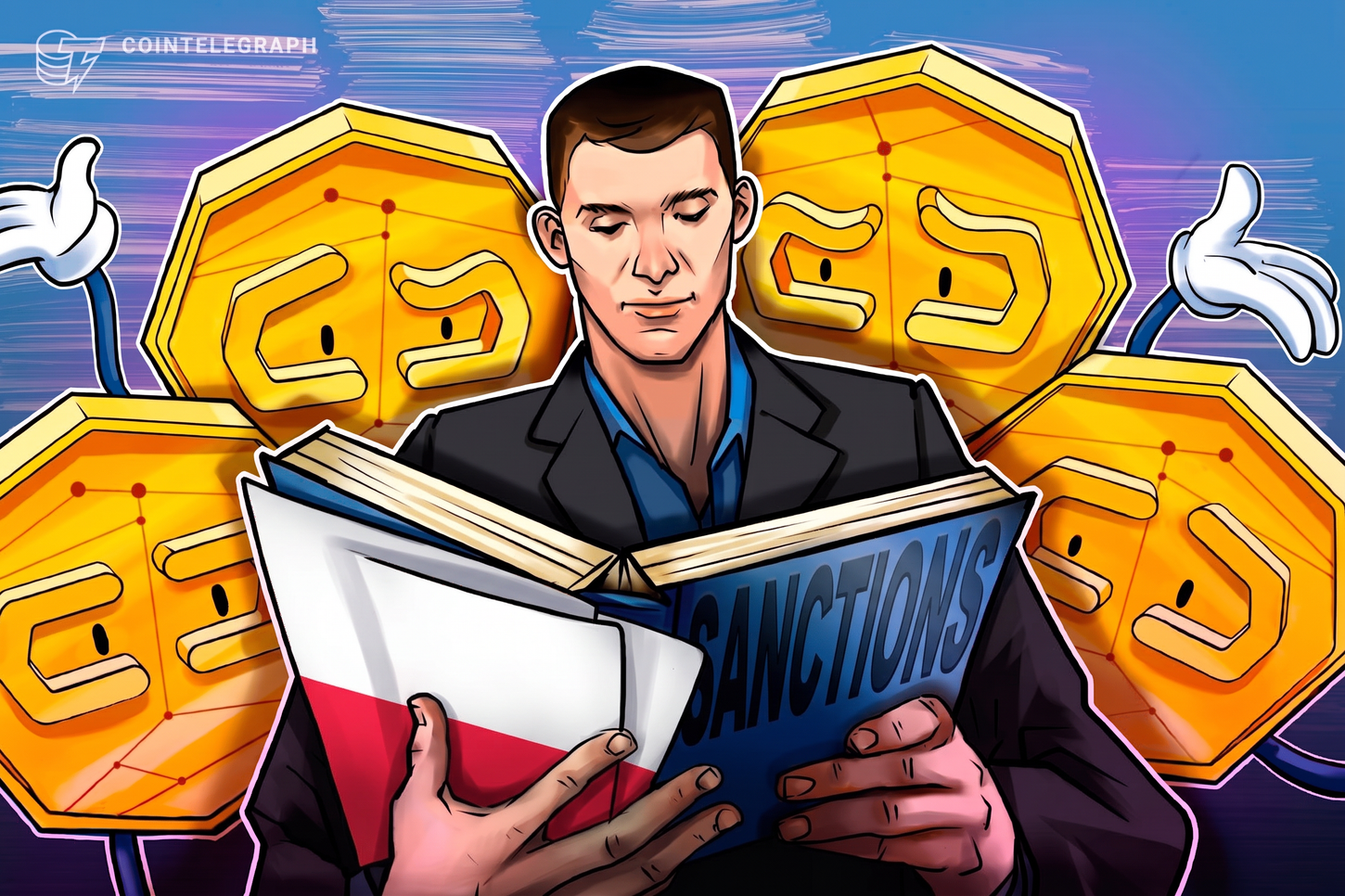
Ever wonder what happens to your crypto holdings when a government imposes sanctions? This article explains how authorities can freeze digital assets, what legal mechanisms are used, and what it means for anyone trying to earn or store value on the blockchain.
What a crypto freeze actually is
A crypto freeze is a legal order that prevents a specific wallet, address, or account from moving funds. Unlike traditional bank accounts, crypto assets are stored on a distributed ledger, so the freeze relies on the cooperation of service providers—exchanges, custodians, or wallet apps—that control the private keys or have the ability to block transactions. When a sanction authority adds a person or entity to a national sanctions list, it can require these intermediaries to lock the assets, effectively rendering them immobile until the restriction is lifted.
Key terms:
- Sanctions list: An official roster of individuals, companies, or groups that a government has identified as subject to restrictive measures.
- Asset freeze: A directive that stops the transfer, conversion, or withdrawal of funds belonging to a listed party.
- Custodian: A service that holds private keys on behalf of users, such as a crypto exchange or a cloud‑mining platform.
- MiCA: The European Union’s Markets in Crypto‑Assets Regulation, which defines crypto assets for regulatory purposes.
How the freezing process works
When a sanction is imposed, the authority typically follows these steps:
- Identify the target and add them to the national sanctions list.
- Issue a freeze order that references the list and specifies the assets to be blocked.
- Notify domestic financial institutions, including crypto exchanges and custodians, of the order.
- The notified service providers update their internal systems to prevent any outgoing transaction from the affected wallets. Some may also flag inbound transfers.
- If the target disputes the listing, they can usually appeal in an administrative court, but the freeze often remains in effect during the legal process.
Because blockchain transactions are public, authorities can trace addresses linked to a sanctioned party, but they cannot directly stop a transaction that bypasses regulated intermediaries. This is why the cooperation of exchanges and custodians is crucial.
Real‑world illustration
In November 2026, Poland’s lower house (the Sejm) passed a bill expanding the country’s sanctions framework to explicitly include crypto assets as freezeable funds, referencing the EU’s MiCA definition. The legislation, approved by a vote of 240 to 202, would allow Poland’s interior minister to add individuals or companies to a national sanctions list and order the immediate freezing of any crypto holdings they control. Affected parties could challenge the decision in administrative court, but the freeze would take effect the day after the designation is published.
What it means for you
If you earn crypto through mining, staking, or cloud‑reward platforms, a sanctions freeze can affect you in two ways:
- Direct impact: If you are personally listed, any exchange or custodian that complies with Polish law must block your assets, preventing withdrawals or trades.
- Indirect impact: Even if you are not listed, a platform that operates in Poland may be required to freeze all assets under its control while it verifies compliance, potentially delaying payouts.
For small earners, the risk is usually low unless you have ties to sanctioned entities or operate in jurisdictions that closely follow such legislation. However, it underscores the importance of diversifying where you hold crypto and understanding the regulatory environment of the services you use.
What to check before you start earning
To reduce the chance of being caught in a freeze, consider these practical steps:
- Choose custodial services that operate in multiple jurisdictions and have clear policies on sanctions compliance.
- Keep a portion of your earnings in a self‑custodied wallet where you control the private keys; this reduces reliance on third‑party freezes.
- Stay informed about the sanctions laws of the countries where your platforms are based, especially if they are in the EU or have strong ties to EU regulations.
- Maintain up‑to‑date KYC (Know Your Customer) information to avoid accidental matches with sanctioned names.
- Regularly review the public sanctions lists published by governments and international bodies.
FAQ
Can a government freeze my crypto if I hold it in a non‑custodial wallet?
Directly, no. A non‑custodial wallet means you alone control the private keys, so authorities cannot block the blockchain transaction. However, they can still freeze any fiat conversion or exchange activity if you later use a regulated service.
What happens to my earnings if a platform I use is forced to freeze assets?
The platform will typically suspend withdrawals and trading for the affected accounts while it verifies compliance. Your earned tokens remain on the blockchain but cannot be moved until the freeze is lifted or the platform resolves the issue.
Is an appeal to an administrative court enough to unfreeze my assets quickly?
Appeals can eventually lead to a removal from the sanctions list, but most jurisdictions keep the freeze in place until a final court decision is reached. This can take weeks or months, depending on the legal system.
Do all crypto exchanges comply with national sanctions?
Most regulated exchanges do, especially those operating in the EU, the US, or other jurisdictions with strict AML (Anti‑Money Laundering) and sanctions regimes. Smaller or unregulated platforms may be less likely to enforce freezes, but using them carries other legal and security risks.
This article references reporting from cointelegraph.com.





