
Wondering why a monthly inflation report can change the amount you earn from crypto? This article explains how consumer price indexes, central‑bank decisions, and interest‑rate moves affect mining profitability, staking rewards, and other online earning methods.
What the numbers actually mean
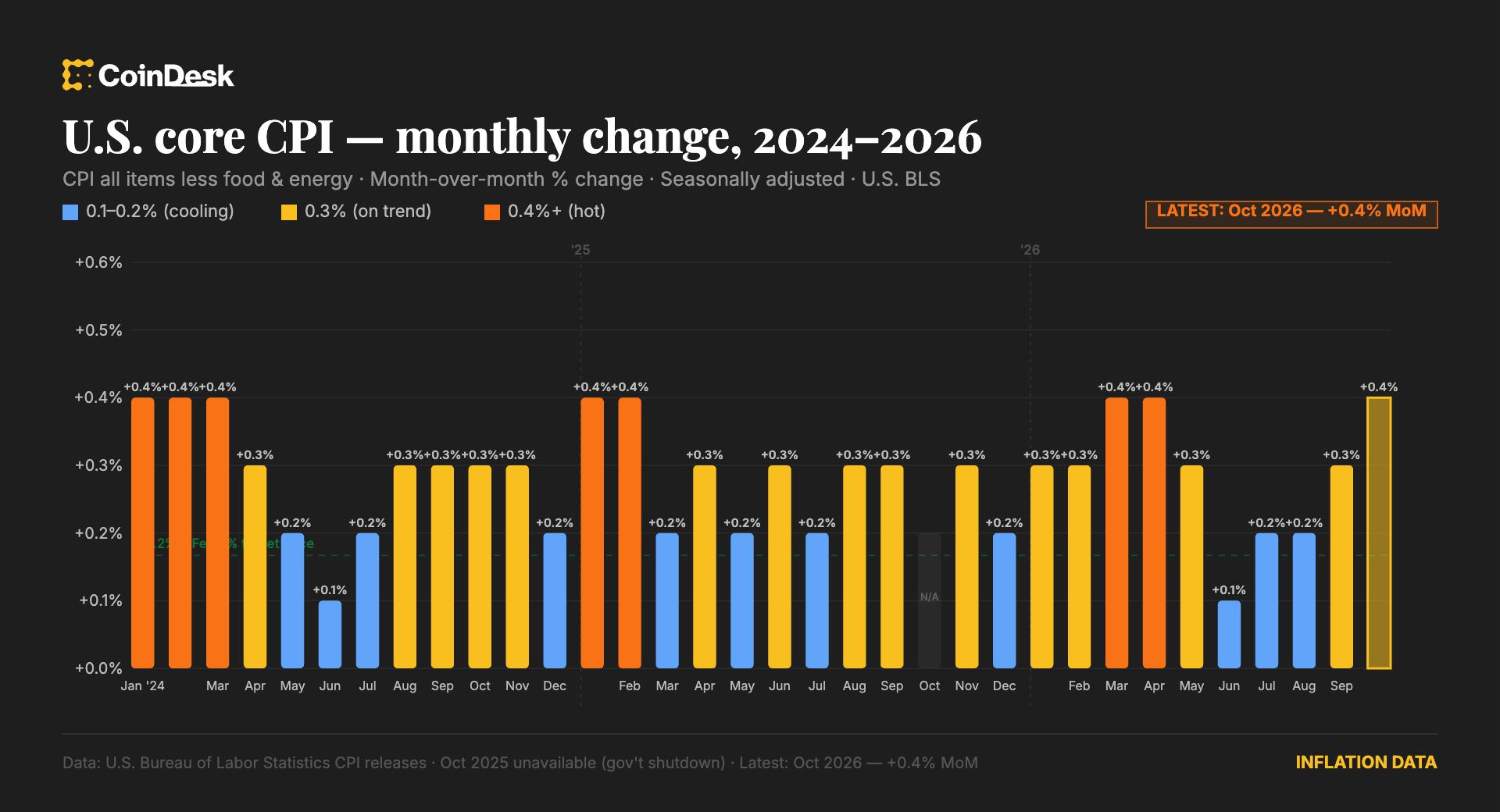
The Consumer Price Index (CPI) measures how much the average price of a basket of goods and services has changed over a month. A 0.4 % rise in the CPI for October means that, on average, prices were 0.4 % higher than they were in September. The “core” CPI strips out volatile food and energy prices; a 0.3 % increase there shows underlying inflation pressure.
Central banks, such as the U.S. Federal Reserve, watch these figures closely. When inflation runs hotter than expected, they may raise their policy interest rate to cool spending. An “increase of 50 basis points” means the Fed would add 0.5 % to its target rate.
Higher policy rates raise the cost of borrowing money and generally push up yields on traditional savings and bonds. For crypto earners, the ripple effects show up in three main areas: the cost of electricity for miners, the attractiveness of staking versus fiat savings, and the price dynamics of the coins themselves.
Real‑world illustration
In December 2023, the U.S. CPI for October rose 0.4 % and core CPI rose 0.3 %, stronger than analysts had expected. Fed Governor Chris Waller later said a December rate hike was “completely assured,” and even a 50‑basis‑point move could be appropriate. This combination of higher‑than‑expected inflation and a clear signal of a rate hike created immediate market reactions, with crypto prices adjusting to the new expectations for tighter monetary policy.
What it means for you
When the Fed signals a rate increase, the following tends to happen for crypto earners:
- Mining costs rise. Electricity prices often track broader energy markets, which can climb as higher rates increase demand for cheaper power. If your mining operation relies on grid electricity, a higher rate can shrink your profit margin.
- Staking becomes more competitive. Traditional savings accounts start offering higher yields, making low‑return staking less attractive unless the crypto reward rate is significantly above the new fiat rates.
- Coin prices may dip. Higher rates can strengthen the dollar, pulling capital away from riskier assets like cryptocurrencies. A price dip reduces the dollar value of any rewards you earn, even if the raw token amount stays the same.
Understanding these links helps you decide whether to keep mining, shift to staking, or explore other passive‑income options such as cloud‑based reward platforms.
What to check before you act
- Monitor upcoming CPI releases and Fed minutes. A pattern of higher inflation often precedes rate hikes.
- Calculate your mining break‑even cost, factoring in electricity rates, hardware depreciation, and expected coin price.
- Compare staking yields against the prevailing risk‑free rate (e.g., 1‑year Treasury yield). If staking returns are only marginally higher, the extra risk may not be justified.
- Consider diversification. Platforms that let you earn “green” crypto rewards, such as EcoPool, often use renewable energy sources that can mitigate the impact of rising grid electricity costs.
FAQ
Why does a 0.4 % CPI increase matter for crypto?
Even a small rise signals that inflation is hotter than expected, prompting central banks to tighten policy. Tighter policy can raise borrowing costs and shift investor appetite away from speculative assets, affecting both the price of cryptocurrencies and the profitability of earning methods tied to them.
Can I still profit from mining if rates go up?
Profitability depends on your electricity cost, hardware efficiency, and the market price of the mined coin. If your electricity is sourced from renewable or off‑grid solutions, a rate hike may have little effect on your margins.
Is staking still worthwhile after a rate hike?
Staking can remain attractive if the network’s reward rate significantly exceeds the new fiat yields. Look for projects that offer additional incentives, such as transaction fee sharing or inflation‑adjusted rewards, to compensate for higher alternative returns.
How often should I reassess my crypto earning strategy?
At least quarterly, or whenever major macroeconomic data—like CPI or central‑bank policy—are released. Regularly updating your cost‑benefit analysis ensures you stay aligned with changing market conditions.
This article references reporting from coindesk.com.





