
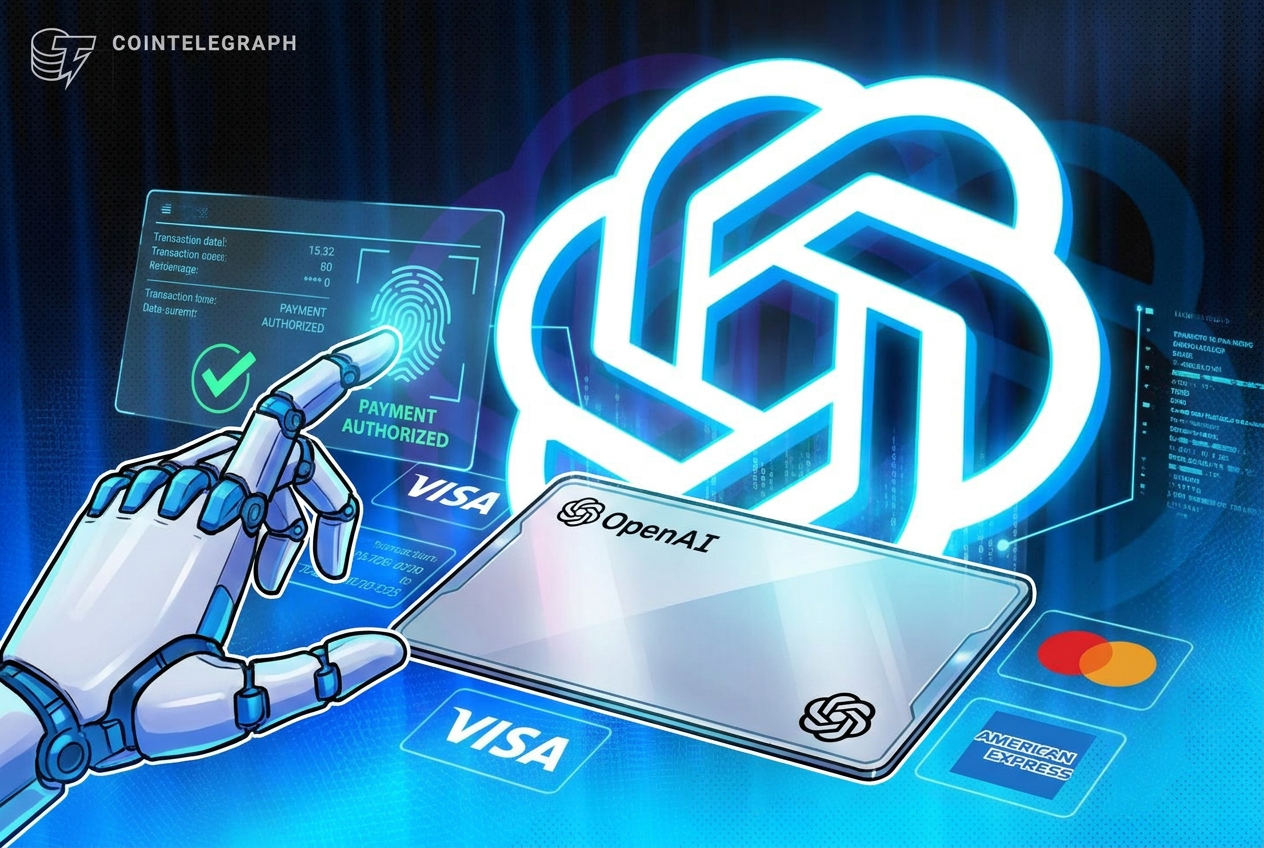
Ever wondered how a chatbot could buy a concert ticket or order groceries without you typing a single command? This article explains the mechanics behind AI‑initiated payments, the security measures that protect your money, and what you should consider before letting an AI agent handle transactions for you.
What AI‑Powered Payments Actually Are
AI‑powered payments let software agents—often called “AI agents” or “digital assistants”—initiate a financial transaction on behalf of a human user. Instead of you clicking “Buy” on a website, the AI sends a payment request to a merchant’s checkout system, just like a human would, but it does so automatically based on a prior instruction or a learned preference.
To make this possible, the AI must have access to a payment method. The most common approach is to link a traditional card network (Visa, Mastercard, American Express) or a stablecoin wallet to a secure “payment wallet” that the AI can call upon. The wallet stores payment credentials in a tokenized form, meaning the actual card number or private key is never exposed to the merchant or the AI itself.
Tokenization is a process where the real payment details are replaced with a random string of characters (a token). When a transaction is initiated, the token is sent to the payment processor, which maps it back to the original account behind the scenes. This protects the user’s sensitive data because the token is useless if intercepted.
Before an AI can spend money, the user must give explicit consent. Most platforms use biometric verification—such as facial recognition or a fingerprint scan—to confirm that the person authorizing the purchase is present. Once verified, the AI receives a one‑time token that it can use to complete the specific transaction.
Real‑World Example: OpenAI’s ChatGPT Wallet
In November 2026, OpenAI introduced a new feature that lets AI agents inside ChatGPT make purchases directly through Visa, Mastercard and American Express networks. Users of ChatGPT Pro in the United States can authorize a payment by confirming a biometric prompt. The payment networks then generate a tokenized version of the user’s card details for that single purchase, keeping the actual card information hidden from both the merchant and the AI.
OpenAI plans to expand the service with preset spending limits and the ability to approve recurring purchases without a separate biometric check each time. The rollout follows similar initiatives from Google’s Agent Payments Protocol (2025) and crypto‑focused solutions like Coinbase’s x402 protocol, which enables autonomous stablecoin payments.
What It Means for You
AI‑driven checkout can make everyday online interactions faster. Imagine asking your virtual assistant to “order my weekly groceries” and having the AI complete the checkout while you continue with other tasks. For frequent shoppers, this could reduce friction and free up mental bandwidth.
However, delegating financial authority to an algorithm also introduces new risks. If the AI is compromised, an attacker could trigger unauthorized purchases. Even without a breach, a poorly configured spending limit could lead to unexpected charges. Therefore, understanding the safeguards and setting appropriate controls is essential before you rely on AI payments for regular spending.
How to Evaluate an AI Payment Service
- Authentication method: Look for biometric or multi‑factor verification that requires your presence for each new purchase.
- Tokenization and data handling: Confirm that the service never stores raw card numbers or private keys and that tokens are single‑use or limited‑time.
- Spending limits and alerts: Choose platforms that let you set daily, per‑transaction, or category limits, and that send real‑time notifications of any activity.
- Fraud protection partnership: Services that work with established fraud‑prevention firms add an extra layer of security.
- Transparency of logs: Access to a clear transaction history helps you audit what the AI has bought on your behalf.
FAQ
Can I use AI payments with any credit card?
Most services currently support major networks—Visa, Mastercard and American Express—but the card must be issued in a supported country and meet the provider’s eligibility criteria.
What happens if the AI makes a mistake?
Transactions are still subject to the same consumer protections as regular card purchases. You can dispute unauthorized charges with your card issuer, and many platforms allow you to revoke the AI’s access or reset its spending limits instantly.
Are stablecoins a safer option than traditional cards?
Stablecoins can reduce reliance on card networks and offer faster settlement, but they also require you to manage a crypto wallet and understand the associated risks, such as private‑key security and regulatory considerations.
Do I need to be a tech expert to set up AI payments?
No. Most platforms guide you through a step‑by‑step setup that includes linking a payment method, configuring biometric verification, and choosing spending limits. If you follow the provided instructions, you can start using AI payments without deep technical knowledge.
This article references reporting from cointelegraph.com.





