
Are you wondering why the cost of electricity matters more than the price of Bitcoin when it comes to mining profits? This article explains how power purchase agreements (PPAs) work, why they are crucial for miners, and what changes in the energy market mean for anyone looking to earn from crypto mining.
What a Power Purchase Agreement Is and How It Works
A power purchase agreement, or PPA, is a contract between an electricity generator and a buyer that locks in a fixed price for power over a set period, often 10 to 20 years. The buyer—sometimes a Bitcoin mining operation—pays a predetermined rate per megawatt‑hour (MWh) regardless of market fluctuations. In return, the generator guarantees a steady revenue stream.
PPAs are attractive to miners because electricity is the single largest operating cost for mining hardware. By securing a low, predictable price, miners can better estimate their profit margins and protect themselves from spikes in wholesale electricity markets. The fixed rate also allows miners to plan long‑term investments in equipment, since the cost side of the equation is largely locked in.
Key terms to know:
- Megawatt‑hour (MWh): A unit of energy equal to one megawatt of power used continuously for one hour.
- Contract term: The length of time the PPA is valid, typically measured in years.
- Take‑or‑pay clause: A provision that requires the buyer to pay for a minimum amount of electricity even if they don’t use it, ensuring the generator’s cash flow.
Why PPAs Matter for Mining Profitability
Mining hardware consumes large amounts of power, often measured in megawatts for industrial‑scale farms. If a miner pays $100 per MWh on the spot market but can lock in $44 per MWh through a PPA, the difference directly translates into higher net earnings. Over a year, a 1 MW operation would save roughly $700,000 at that rate difference.
PPAs also provide a hedge against regulatory risk. Some jurisdictions impose carbon taxes or other fees on electricity. A long‑term contract can lock in rates before such policies take effect, giving miners a buffer while they assess the regulatory environment.
Real‑World Example: Paraguay’s Expiring Mining Contracts
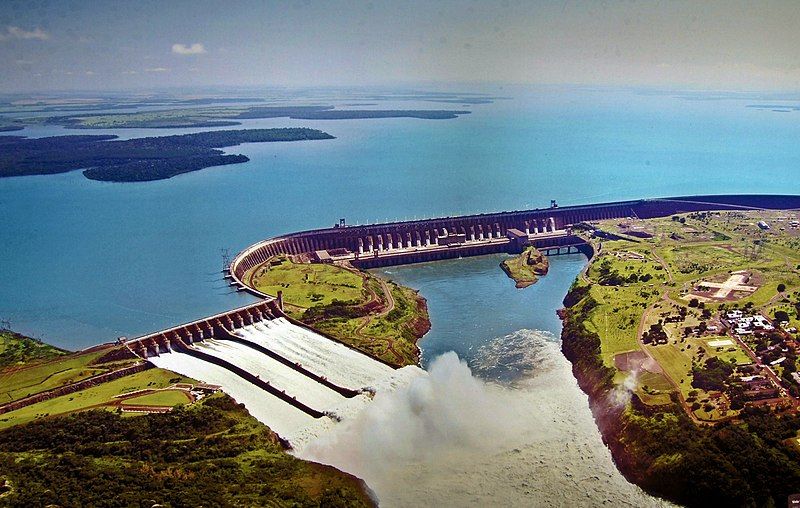
In Paraguay, a state utility has been supplying power to about 4 % of the world’s Bitcoin mining at a rate of $44 per MWh. Those contracts are set to expire on 31 December 2027. The utility has announced that the date is final and has already signed a 15‑year PPA to power a new AI campus backed by Founders Fund.
This shift illustrates two forces at play: first, the finite lifespan of cheap‑energy contracts for miners; second, the growing competition from other high‑intensity tech sectors—most notably artificial intelligence—that are also seeking low‑cost, renewable power. As AI data centers secure long‑term deals, the pool of cheap electricity available to miners shrinks, potentially raising operational costs for those who cannot renegotiate favorable terms.
What It Means for You as an Aspiring Miner
If you are considering setting up a mining operation, the availability and terms of PPAs should be a top priority. A low, stable electricity price can make the difference between a profitable venture and a loss‑making one, especially when Bitcoin’s price is volatile.
Look for regions with abundant renewable energy—hydro, wind, or solar—where utilities are willing to lock in long‑term rates. Be aware that contracts may have expiration dates, after which you could face higher market prices. Planning for contract renewal or diversification of energy sources can help mitigate that risk.
How to Evaluate a Power Deal
- Check the price per MWh: Compare the contract rate to the current spot price in the region. A substantial discount is a good sign.
- Review the contract term: Longer terms provide stability but may lock you into a rate that could become less competitive if market prices fall.
- Assess the take‑or‑pay clause: Ensure you can meet the minimum usage commitments; otherwise you may end up paying for unused power.
- Understand the energy source: Renewable contracts can offer lower carbon footprints and may qualify for tax incentives, but also consider the reliability of the supply.
- Plan for expiration: Identify potential renewal partners or alternative energy sources well before the contract ends.
FAQ
What happens if my PPA expires and electricity prices rise?
You would need to purchase power on the spot market, which can be significantly more expensive. This could erode or eliminate your mining profits unless you have a backup energy plan or can renegotiate a new contract.
Can I negotiate a PPA as an individual miner?
Individual miners typically lack the scale to secure direct PPAs. However, you can join a mining pool or cooperative that aggregates demand, making it easier to negotiate bulk rates with utilities.
Are renewable PPAs more reliable than fossil‑fuel contracts?
Renewable sources like hydro and wind can be intermittent, but many utilities bundle them with storage or backup generation to ensure continuous supply. The reliability often depends on the specific project and its grid integration.
Do PPAs affect the environmental impact of my mining?
Yes. Securing a renewable PPA reduces the carbon intensity of your operation, which can be important for regulatory compliance and for miners who want to market themselves as “green” miners.
This article references reporting from coindesk.com.





