
Ever wonder why the price of Bitcoin or Ether can swing wildly even when there’s no obvious news? This article explains what market makers are, how they operate in crypto markets, and what their actions mean for anyone trying to earn passive income through trading or mining.
What a market maker actually does
A market maker is a participant—often a firm or algorithm—that continuously posts buy (bid) and sell (ask) orders for a cryptocurrency. By doing so, they provide liquidity, which is the ability to buy or sell an asset without causing a large price change. In exchange for this service, market makers earn the spread, the difference between the price at which they buy and the price at which they sell.
Liquidity is crucial because it reduces the cost of trading and helps keep markets functioning smoothly. Without it, even a small trade could move the price dramatically, leading to higher slippage (the difference between expected and actual execution price) for ordinary traders.
How market makers can amplify volatility
Market makers aim to balance their inventory—how much of a coin they hold—by adjusting their bid and ask prices. When a cryptocurrency trades within a narrow range, as Bitcoin and Ether often do, market makers may tighten spreads to attract more trades. However, if they anticipate larger price moves or face sudden order imbalances, they might widen spreads or step back from the market.
These adjustments can create feedback loops. For example, a widened spread makes it more expensive for traders to enter positions, which can reduce trading volume. Lower volume can then cause price movements to have a larger impact, prompting market makers to adjust prices further. The result is amplified volatility, even in the absence of external news.
Real‑world illustration
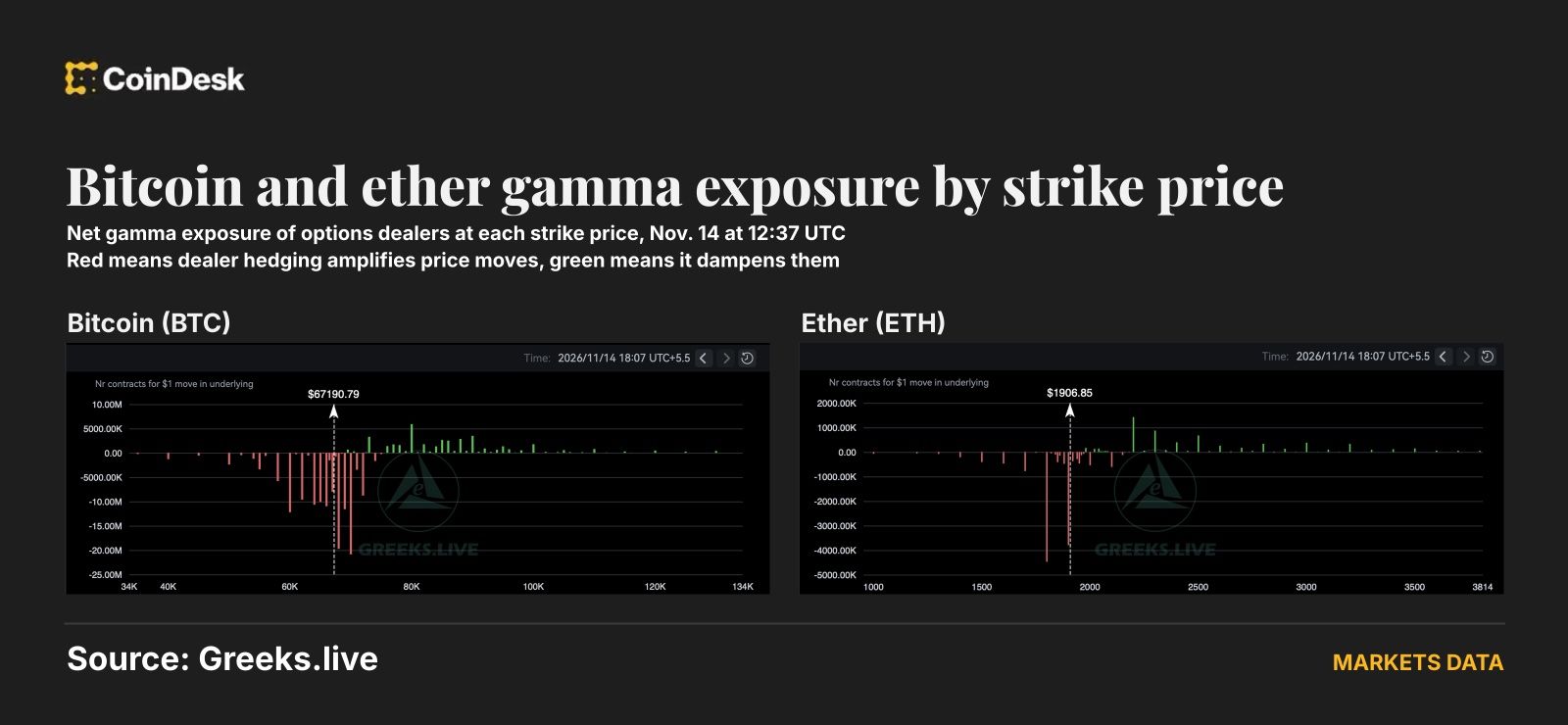
In March 2026, analysts noted that both Bitcoin and Ether were trading in tight price ranges. They observed that market makers and dealers were adding to market volatility by adjusting spreads and order sizes within those ranges. This behavior showed how even a stable price corridor can experience sudden swings when liquidity providers change their strategies.
What it means for you
If you earn crypto by trading, staking, or mining, market‑maker activity directly affects your potential returns. Wider spreads can increase the cost of buying or selling, eating into profit margins. Conversely, tight spreads can lower transaction costs but may also signal that the market is more susceptible to rapid price swings, which can be risky for leveraged positions.
For miners, volatility influences the profitability of mining rewards. When prices jump, the fiat value of mined coins rises, improving earnings. However, if market makers cause sudden drops, the same amount of mined crypto could be worth less, affecting cash flow.
What to check before you dive in
- Liquidity depth: Look at the order book on your exchange. A deep book with many orders close to the market price indicates healthy liquidity.
- Spread size: Compare the bid‑ask spread across different platforms. Smaller spreads usually mean lower trading costs.
- Volume trends: Consistent trading volume suggests stable market‑maker participation, while sudden drops may warn of upcoming volatility.
- Exchange reputation: Established exchanges tend to have professional market makers who follow transparent practices.
- Risk management: Use stop‑loss orders and limit orders to protect against rapid price moves caused by spread changes.
FAQ
Why do market makers earn money if they’re just providing liquidity?
They profit from the spread between the price they buy at and the price they sell at. By constantly quoting both sides of the market, they capture small profits on many trades.
Can I become a market maker myself?
Yes, but it requires substantial capital, sophisticated algorithms, and the ability to manage inventory risk. Most individual traders opt to use platforms that already have professional market makers.
Do market makers always make the market more stable?
Generally they improve stability by providing liquidity, but their strategic adjustments—especially in thin markets—can sometimes increase short‑term volatility.
How does market‑maker activity affect staking rewards?
Staking rewards are paid in the native token, so their fiat value depends on market price. If market makers cause price swings, the dollar value of your staking income can fluctuate accordingly.
This article references reporting from coindesk.com.





