
Are you wondering whether the electricity that goes unused when the wind blows hard can actually be turned into profit? This article explains how excess renewable power can be harnessed for Bitcoin mining, why it helps balance the grid, and what that means for anyone looking to earn online through crypto.
The basics: converting spare green power into Bitcoin
When a wind farm generates more electricity than the grid can accept, the excess is often curtailed – the turbines are throttled or shut down, and the power simply goes to waste. This happens because the grid must maintain a constant balance between supply and demand; too much supply can overload transmission lines and cause stability issues.
Bitcoin mining is a process that consumes a lot of electricity to solve cryptographic puzzles. Miners run specialized hardware called ASICs (Application‑Specific Integrated Circuits) that repeatedly hash data until they find a solution. When a solution is found, the miner adds a new block to the blockchain and receives newly minted Bitcoin plus transaction fees as a reward.
Because mining’s electricity demand is flexible – miners can turn machines on or off in seconds – it can act like a giant, controllable load. If the grid has spare power, miners can start up and soak up that electricity. When demand rises, they can shut down instantly, freeing capacity for other users. This “demand‑side response” helps keep the grid stable without building additional infrastructure.
In practice, the process works like this:
- Identify surplus generation. Grid operators monitor real‑time output from wind, solar or hydro plants. When output exceeds forecasted demand, they flag the excess.
- Signal to miners. Through market mechanisms or direct contracts, operators inform mining facilities that cheap or free electricity is available.
- Start mining rigs. Miners power up ASICs, converting the electrical energy into computational work that secures the Bitcoin network.
- Earn rewards. The mining operation receives Bitcoin, which can later be sold or held, turning the otherwise wasted energy into a monetary return.
- Shut down when needed. If the grid’s demand rises, the miners stop, allowing the electricity to flow to other consumers.
This model turns an environmental loss (curtailed renewable energy) into a financial gain, while also providing a flexible load that supports grid reliability.
Real‑world illustration: Britain’s surplus Scottish wind power
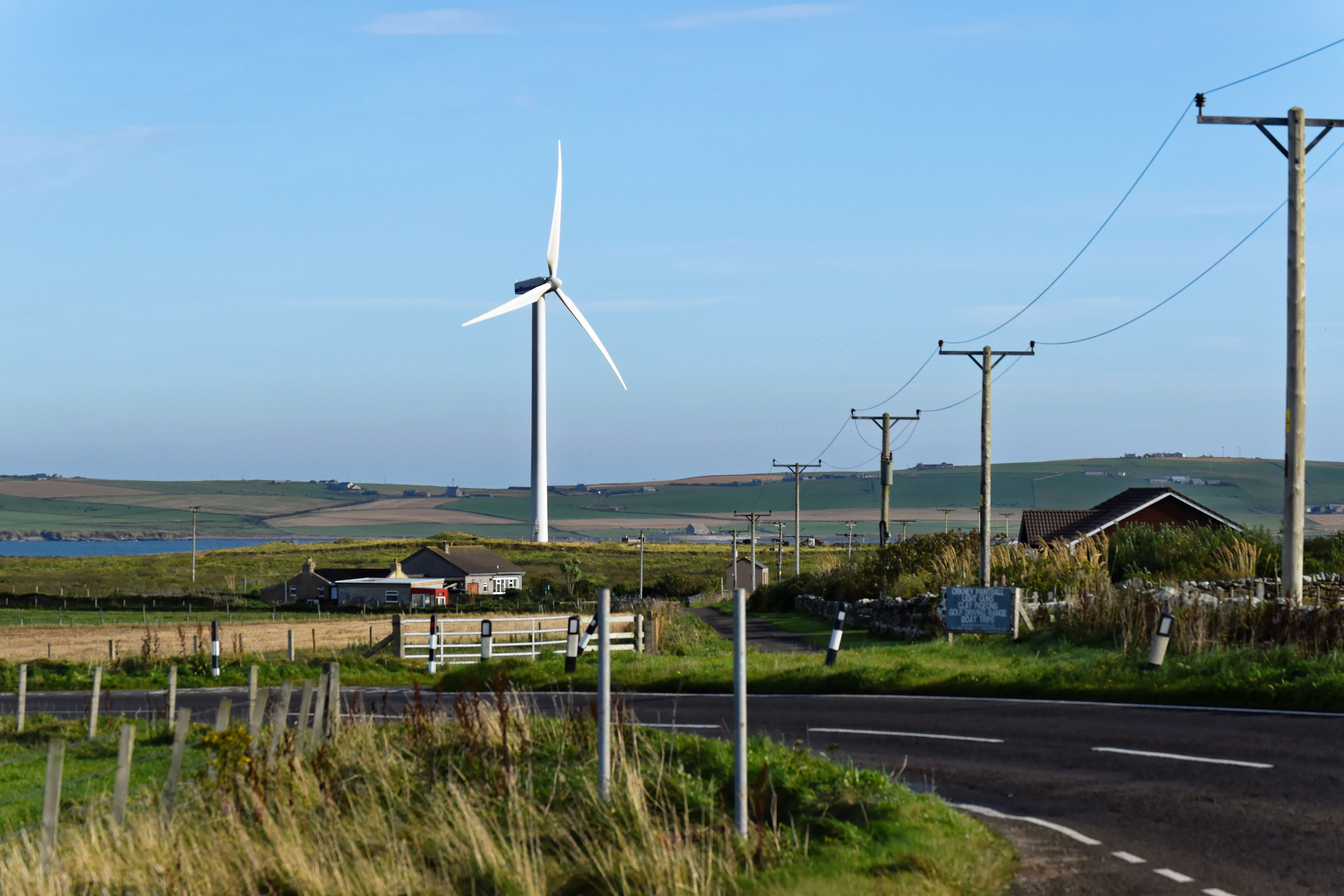
In a 2026 report by the Bitcoin Policy Institute, analysts examined how the United Kingdom could use Bitcoin mining to absorb surplus wind power generated in Scotland. The study noted that during periods of very high wind, the British grid sometimes pays wind farms to reduce output – a cost of about $1.3 billion per year. By allowing miners to consume that excess electricity, the report argued that the country could lower the amount paid to curtail generation, effectively turning “wasted” wind into Bitcoin.
The proposal suggests pairing mining facilities with wind farms via power‑purchase agreements that specify lower rates when the grid is oversupplied. This arrangement would let miners operate profitably while the grid operator saves money, creating a win‑win scenario for both the energy sector and crypto participants.
What this means for you as an online earner
If you are looking for ways to generate passive income online, the concept of “green mining” offers a few distinct possibilities:
- Invest in mining operations that source renewable excess. Some platforms locate their hardware near wind or solar farms and contract for surplus power at reduced rates. By supporting such operations, you can earn a share of the mining rewards while contributing to a greener energy ecosystem.
- Participate in cloud mining services. These services rent out hash power from remote data centres. When the provider sources electricity from curtailed renewables, the underlying economics improve, potentially increasing the net return to participants.
- Earn through staking or other crypto activities. While not directly related to mining, the broader principle of using idle resources (like unused compute cycles) to earn rewards applies across many crypto earning methods.
In each case, the key advantage is that the revenue comes from converting otherwise wasted energy into a tradable asset, rather than relying solely on market price speculation.
How to evaluate a green mining opportunity
Before committing funds, consider these concrete checkpoints:
- Energy source verification. Look for transparent documentation that the mining operation contracts for excess renewable power, such as power‑purchase agreements or certifications from the wind/solar provider.
- Location and transmission costs. Proximity to the renewable source reduces losses and fees. Facilities located on‑site or nearby are generally more efficient.
- Hardware efficiency. Modern ASICs have higher hash‑rate per watt. Compare the energy efficiency (measured in joules per terahash) of the equipment used.
- Revenue sharing model. Understand how mining rewards are split between the operator and participants. Look for clear, auditable reporting.
- Regulatory compliance. Ensure the operation adheres to local electricity market rules and environmental regulations.
FAQ
Why can’t the grid simply store excess wind power instead of using miners?
Large‑scale storage, such as batteries or pumped hydro, is still expensive and limited in capacity. Mining provides an immediate, flexible demand that can be scaled up or down quickly, making it a cost‑effective alternative for short‑term surplus.
Does using surplus renewable energy make Bitcoin mining “green”?
When miners rely on electricity that would otherwise be wasted, the net carbon impact is reduced compared with using fossil‑fuel‑based power. However, the overall greenness depends on the proportion of total mining that uses such clean, curtailed energy.
What risks are involved in investing in a mining operation?
Risks include fluctuations in Bitcoin’s price, changes in electricity contracts, hardware failures, and regulatory shifts. Always assess the financial model and consider diversification across different earning methods.
Can I set up my own small‑scale mining rig to use local excess solar power?
In principle, yes. You would need access to cheap or free electricity, appropriate cooling, and the technical know‑how to run ASICs. Small‑scale setups often face higher per‑unit costs, so evaluating the economics carefully is essential.
This article references reporting from coindesk.com.





