
Ever wonder how people can earn money by betting on future events like elections or sports outcomes? This article explains what prediction markets are, how they generate returns, and what regulatory scrutiny could mean for anyone looking to participate.
The plain explanation
A prediction market is a platform where participants buy and sell contracts that pay out based on the outcome of a specific event. Each contract typically represents a yes‑or‑no proposition, such as “Candidate A will win the presidential election.” The price of the contract, expressed as a percentage of its $1 face value, reflects the collective belief of the market about the probability of that outcome.
For example, if a contract is trading at $0.70, the market is indicating a 70 % chance that the event will occur. If the event happens, the contract settles at $1.00; if it does not, it settles at $0.00. Participants can profit by buying low and selling high, or by holding a contract that settles at $1.00 when they bought it for less.
Key terms:
- Contract price – The current market price of a prediction contract, representing implied probability.
- Settlement – The moment when the contract pays out based on the verified outcome.
- Liquidity – The amount of money available for buying and selling contracts; higher liquidity usually means tighter spreads and easier entry/exit.
- Market maker – An entity that provides continuous buy and sell quotes, helping keep the market liquid.
Prediction markets differ from traditional gambling because the price is continuously updated by participants who have information or analysis about the event. In theory, the market aggregates dispersed knowledge, often producing forecasts that are as accurate as, or more accurate than, expert opinions.
A real example
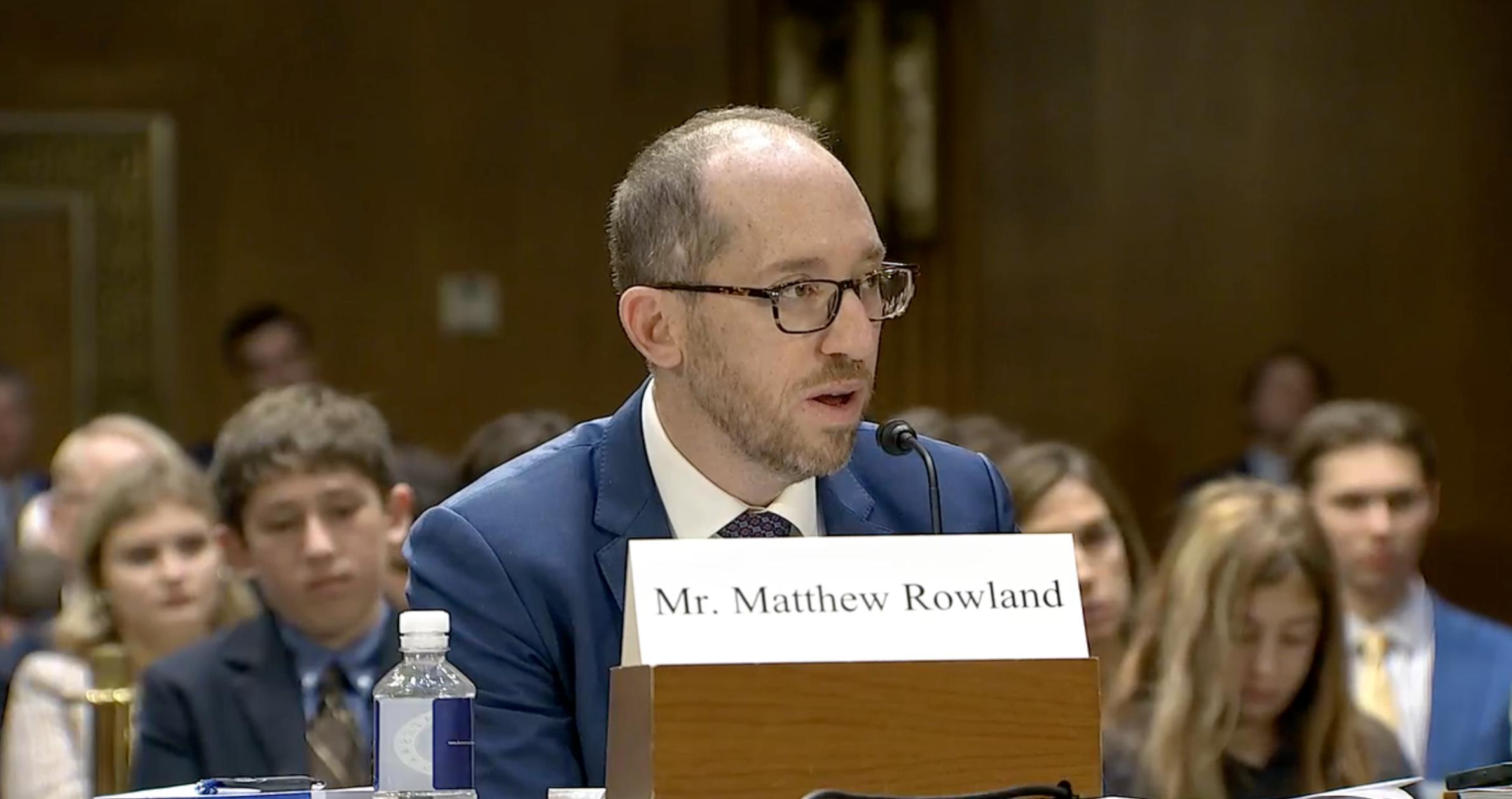
In March 2026, Matthew Rowland, a Democratic nominee for the U.S. Commodity Futures Trading Commission (CFTC), said he hopes to have a say in prediction‑market rulemaking. His comments highlighted the growing regulatory focus on these platforms as they expand beyond niche hobbyist sites into larger financial ecosystems.
What it means for you
If you are considering using a prediction market to earn passive income, regulatory attention can affect three main areas:
- Access – Some jurisdictions may restrict who can trade on certain markets, especially if the contracts are deemed securities or gambling instruments.
- Tax treatment – Gains from prediction‑market trading are generally treated as capital gains or ordinary income, depending on local tax law. Clear guidance from regulators can make reporting easier.
- Safety – Regulatory oversight often brings requirements for transparency, anti‑money‑laundering (AML) procedures, and consumer protection, reducing the risk of fraud or platform failure.
In practice, a well‑regulated market can provide more confidence that your funds are safe and that payouts will be honored. Conversely, a market operating in a regulatory gray area might be shut down abruptly, leaving participants with frozen assets.
What to check / how to judge
- Check the platform’s licensing status. In the United States, the CFTC oversees futures and derivatives; a market that offers contracts classified as derivatives should be registered or have a clear exemption.
- Review the settlement mechanism. Reputable platforms use verifiable data sources (e.g., official election results) and third‑party auditors to confirm outcomes.
- Assess liquidity. Higher daily trading volume usually means you can enter and exit positions without large price slippage.
- Read the terms of service for AML/KYC requirements. Excessive personal data collection can be a red flag, while reasonable verification helps meet regulatory standards.
- Look for transparent fee structures. Some markets charge a small commission on each trade; others embed fees in the spread between buy and sell prices.
FAQ
Can I lose more than I invest?
No. Prediction contracts are binary: you either lose the amount you paid for the contract or you gain up to $1 per contract. You cannot owe more than the purchase price.
Are prediction markets legal in my country?
Legality varies. In the United States, the CFTC has authority over derivative contracts, and some states treat them as gambling. Always verify the platform’s compliance with local regulations before depositing funds.
How are payouts funded?
Payouts come from the pool of participants who bought contracts on the opposite outcome. If many people bet on “yes” and the event occurs, the losers who bought “no” contracts fund the winners.
Do prediction markets offer reliable forecasts?
When markets have enough participants and liquidity, the aggregated price often reflects a reasonable probability estimate. However, markets can be swayed by hype, misinformation, or low participation, so treat them as one data point among many.
This article references reporting from coindesk.com.





