
Ever wondered how you can bet on the outcome of future events like elections, sports scores, or even a politician’s next phrase? This article explains what prediction markets are, how they operate, and why regulators worry about manipulation. By the end, you’ll know how to evaluate these platforms before you put money on the line.
What a Prediction Market Is
A prediction market is a type of exchange where participants buy and sell contracts that pay out based on the result of a specific future event. Each contract represents a binary outcome – for example, “Will Candidate X win the election?” – and its price reflects the market’s collective belief about the likelihood of that outcome. If a contract is priced at $0.70, the market is implying a 70 % chance that the event will happen.
Technical terms:
- Binary contract: A financial instrument that pays a fixed amount (usually $1) if the stated condition occurs, and nothing if it does not.
- Liquidity: The amount of money available for buying and selling contracts; higher liquidity usually means tighter price spreads and less slippage.
- Market maker: An entity that provides continuous buy and sell quotes, helping keep the market liquid.
When you place a trade, you are essentially buying a share of the probability. If the event occurs, you receive the contract’s payout; if not, you lose the amount you paid. Over time, the market price tends to converge toward the true probability, because traders with better information will buy undervalued contracts and sell overvalued ones.
Why Regulation Matters
Prediction markets sit at the intersection of finance, gambling, and information markets. Because the payoff depends on real‑world events, regulators treat them like derivatives – financial contracts whose value derives from an underlying asset or outcome. In the United States, the Commodity Futures Trading Commission (CFTC) oversees derivatives and can intervene if a market poses risks of fraud, insider trading, or market manipulation.
Manipulation occurs when a participant (or a group) influences the outcome of the event they are betting on, or uses non‑public information to gain an unfair advantage. In traditional markets, insider trading is illegal; the same principle applies to prediction markets. If someone can see a president’s speech before it is delivered and trade on that knowledge, the market’s price no longer reflects the collective, unbiased view of the future – it becomes a tool for profit at the expense of other participants.
Real‑World Example: CFTC Halts Kalshi’s Trump Mention Markets
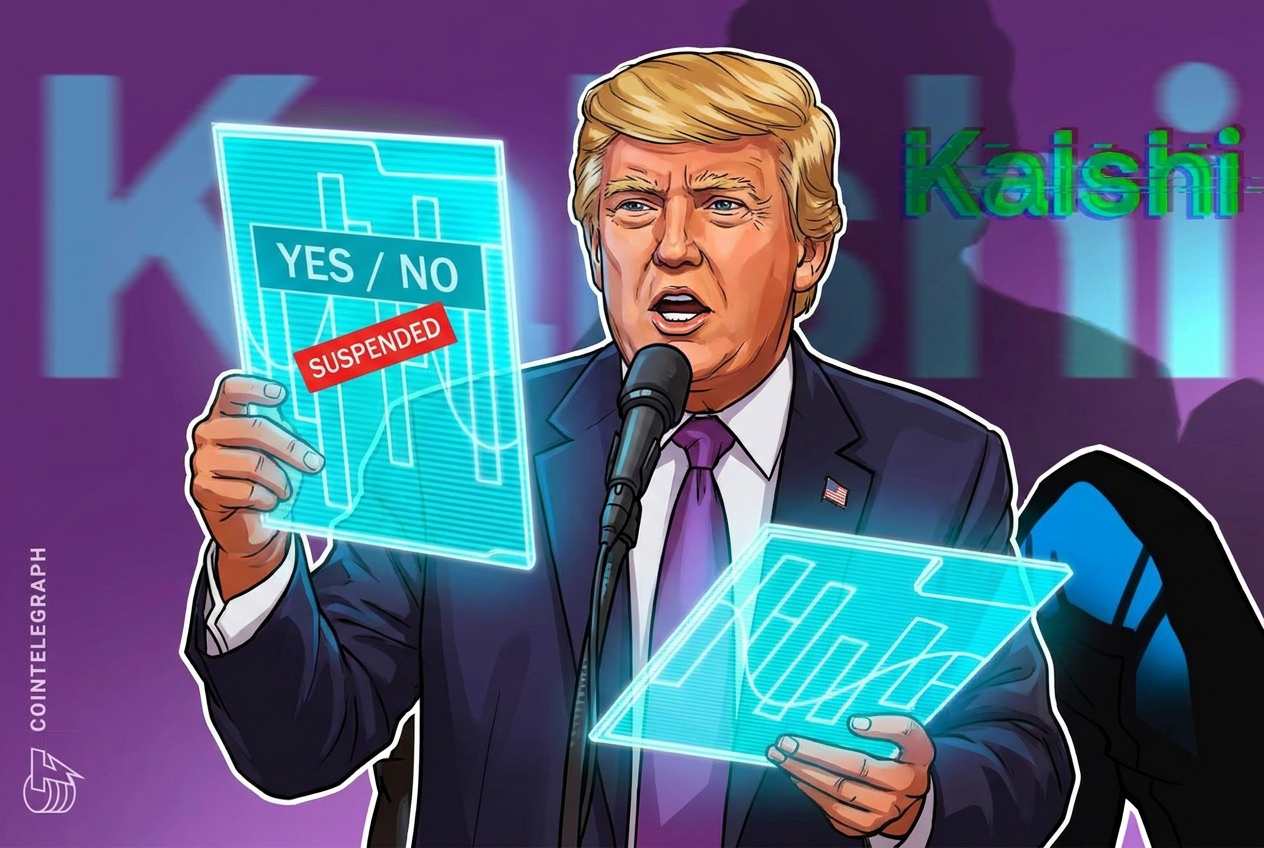
In November 2026, the CFTC issued an order that temporarily halted several Kalshi prediction‑market contracts that let traders bet on words or phrases President Donald Trump might say. The regulator cited “manipulation risks” and gave Kalshi until December 11 to respond. The specific contracts affected included a market titled “What nicknames will Trump say before 2027?” and a series called TRUMPSAY.
The CFTC’s concern stemmed from a prior insider‑trading case involving a former White House teleprompter operator, Gabriel Perez, who accessed Trump’s prepared speeches an hour before they aired. Perez used that non‑public information to trade on Kalshi contracts, profiting on 39 of 43 contracts and later being ordered to return $107,539 in profits plus a $65,000 civil penalty.
This enforcement action shows how regulators can intervene when a platform lists contracts that are vulnerable to insider information or where the event’s outcome can be directly influenced by participants.
What It Means for You
If you are looking to earn passive income or speculate through prediction markets, you need to consider two key factors:
- Integrity of the event: Choose markets where the outcome is determined by a large, independent set of participants (e.g., election results, weather events) rather than a single individual who could be approached for insider tips.
- Regulatory status: Platforms that have clear compliance with the CFTC or other relevant authorities are less likely to be shut down abruptly, protecting your capital and any winnings.
Even on compliant platforms, the risk of loss remains high. Contracts are essentially bets; you can lose the entire amount you stake. Treat any money you allocate to prediction markets as money you can afford to lose.
How to Evaluate a Prediction‑Market Platform
- Check licensing and oversight: Verify that the platform is registered with the CFTC (or the equivalent regulator in your jurisdiction) and that it follows required reporting and surveillance standards.
- Assess market design: Look for clear contract specifications, transparent settlement rules, and robust anti‑manipulation mechanisms such as real‑time monitoring of large trades.
- Review liquidity: Higher trading volume reduces the impact of any single trader and makes it easier to enter or exit positions at expected prices.
- Read the terms of service: Ensure the platform discloses how it handles insider information, dispute resolution, and potential contract suspensions.
- Stay informed about enforcement actions: News of regulator interventions, like the CFTC’s halt of Kalshi’s Trump markets, can signal broader risks associated with a platform’s contract offerings.
FAQ
What is the difference between a prediction market and a traditional sportsbook?
Both allow betting on future events, but prediction markets treat each outcome as a tradable contract whose price reflects the probability, while sportsbooks set fixed odds that rarely change after you place a bet.
Can I lose more than I invest in a binary contract?
No. The maximum loss is limited to the amount you paid for the contract. If the event does not occur, you lose the purchase price, but you cannot owe additional money.
How does insider information affect a prediction market?
If a trader has non‑public knowledge about the outcome (e.g., a speech draft), they can buy contracts at a lower price and profit when the event occurs, undermining the market’s fairness and potentially violating securities laws.
Are prediction markets legal in all countries?
Regulation varies. In the United States, the CFTC oversees them as derivatives. Some jurisdictions treat them as gambling and restrict them, while others have no specific rules. Always check local laws before participating.
This article references reporting from cointelegraph.com.





