Are you wondering why a crypto token can lose half its value in a single day and how you can protect yourself from similar shocks? This article explains the mechanics behind sudden price drops, what signals to watch, and how to assess a token’s safety before you invest.
What causes a token’s price to tumble?
A token’s market price is determined by supply and demand on exchanges. When more people sell than buy, the price falls. Several factors can trigger a rapid sell‑off:
- Large withdrawals or transfers. Moving a big amount of a related cryptocurrency (often ether, the native token of Ethereum) out of a wallet can signal that a major holder is cashing out, prompting others to follow.
- Negative news or rumors. Allegations, regulatory warnings, or claims of fraud can quickly erode confidence.
- Technical failures or security breaches. Hacks, smart‑contract bugs, or network congestion can make holders fear loss of value.
- Market sentiment. Crypto markets are highly sentiment‑driven; a single tweet or media story can shift the mood from optimism to panic.
When these forces converge, the order books on exchanges become thin, meaning there are not enough buy orders to absorb the selling pressure. The resulting imbalance pushes the price down sharply, sometimes to record lows.
Real‑world illustration
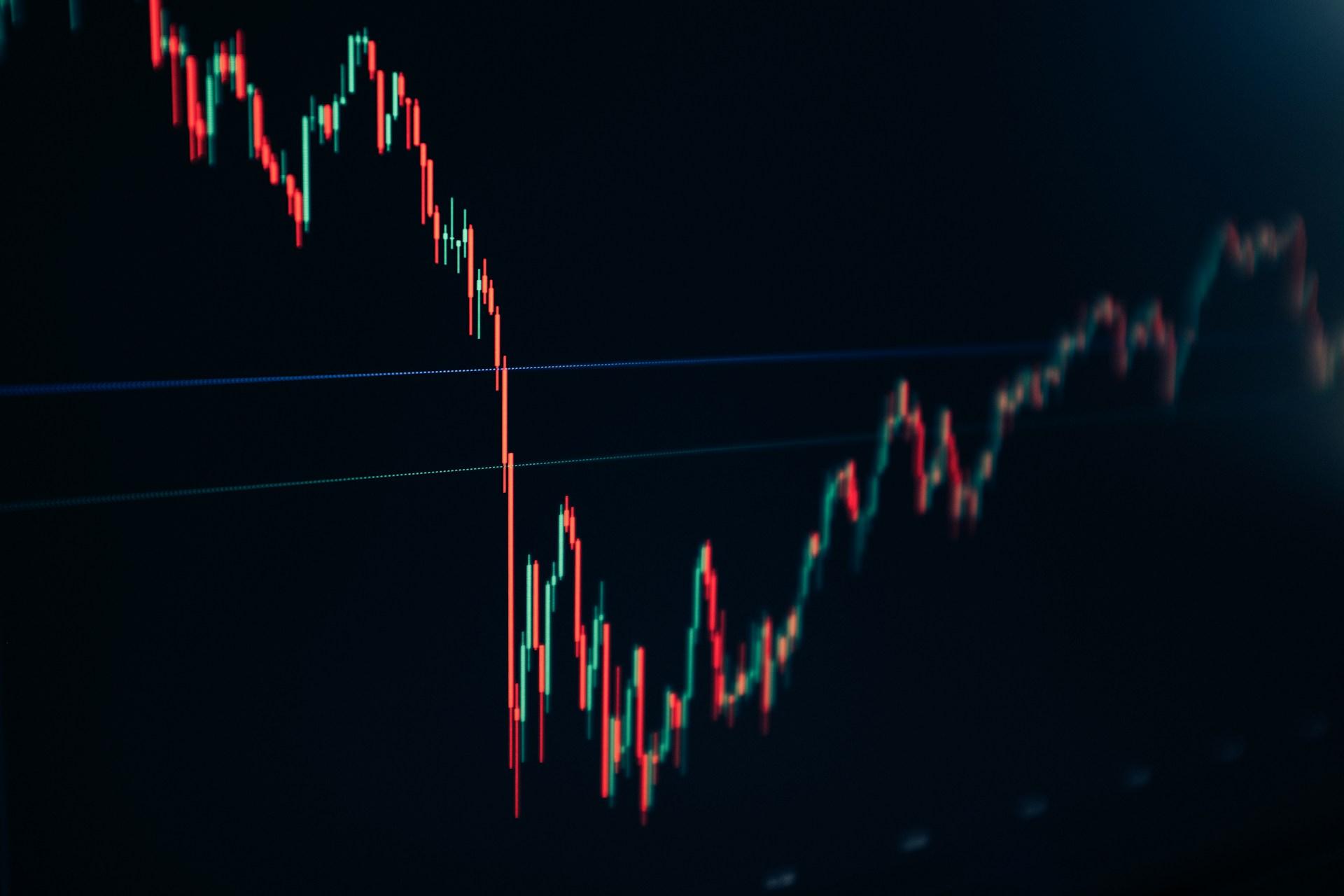
In March 2026, the token WLFI, which is linked to the World Liberty Financial project, saw its price drop by roughly 50 % and hit a record low. Blockchain analytics platforms highlighted a massive outflow of ether from a wallet associated with the project. Observers interpreted the movement as a possible liquidation or redistribution of funds, which sparked a wave of selling among investors and accelerated the price decline.
What this means for you
If you are looking to earn passive income or invest in crypto assets, a sudden price plunge can wipe out a large portion of your capital and reduce any future reward payouts. Even if a token promises high yields, the underlying value must be stable enough to sustain those rewards. A steep decline often signals that the token’s ecosystem is under stress, which can jeopardize both the token’s price and any associated earnings.
How to judge a token’s safety before you invest
- Check ownership concentration. Use blockchain explorers to see how many wallets hold large percentages of the supply. If a few addresses control most tokens, the project is vulnerable to “whale” dumps.
- Monitor on‑chain activity. Large, unexplained transfers of related assets (like ether for ERC‑20 tokens) can be early warning signs of a sell‑off.
- Read the token’s whitepaper and audit reports. Look for third‑party security audits of the smart contract and clear, realistic tokenomics that explain how rewards are funded.
- Assess community and developer engagement. Active developers, frequent updates, and transparent communication reduce the risk of abandonment.
- Consider market liquidity. Tokens listed on multiple reputable exchanges with deep order books are less prone to extreme price swings.
FAQ
Why do “whale” movements cause panic?
When a single wallet holds a large share of a token, its owner can sell enough to flood the market. Other investors, fearing a similar dump, often sell preemptively, amplifying the price drop.
Can a token recover after a 50 % crash?
Recovery is possible but not guaranteed. It depends on whether the underlying project can restore confidence, improve fundamentals, and attract new buying pressure.
Is it safer to invest in tokens with lower price volatility?
Generally, tokens with stable demand, broad distribution, and strong use cases exhibit less volatility. However, all crypto assets carry risk, so diversification and thorough research remain essential.
Should I avoid tokens linked to controversial figures or entities?
Tokens associated with politically exposed persons or entities often face additional regulatory scrutiny and reputational risk, which can lead to sudden market reactions. Conduct extra due diligence if you encounter such connections.
This article references reporting from coindesk.com.