Are you worried that a token you hold might disappear from exchanges, wiping out your investment? This article explains how token delisting works, why exchanges remove tokens, and what steps you can take to protect yourself.
The plain explanation
A token delisting occurs when a cryptocurrency exchange removes a digital asset from its trading platform. After delisting, the token can no longer be bought, sold, or deposited on that exchange, although it may still exist on other platforms or in private wallets.
Exchanges make delisting decisions based on several criteria. Common reasons include:
- Regulatory risk: If a token is linked to a company or individual under investigation, the exchange may fear legal repercussions.
- Low liquidity or trading volume: Tokens that rarely trade can become costly to maintain.
- Security concerns: Hacks, fraud allegations, or suspicious token‑sale terms can trigger removal.
- Reputation damage: Public disputes, lawsuits, or negative media coverage may pressure an exchange to distance itself.
When a token is delisted, the exchange usually provides a withdrawal window. Users must move their holdings to an external wallet or another exchange before the deadline. After that, the token may still be stored on the exchange, but it cannot be accessed for trading.
A real example
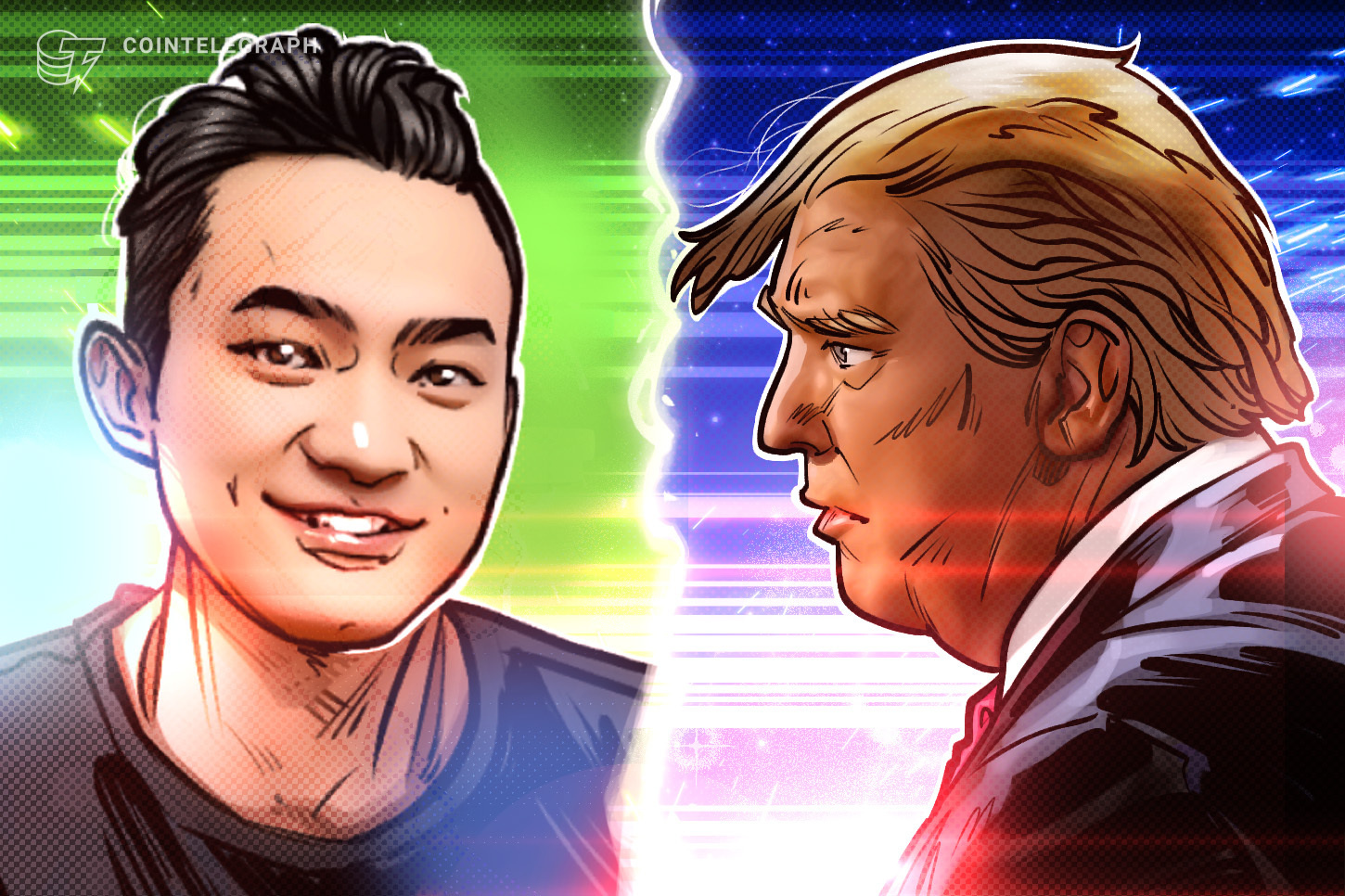
In November 2026, Tron founder Justin Sun publicly called for exchanges to delist the WLFI token, which is linked to the Trump family‑associated firm World Liberty Financial. Sun urged platforms to issue warnings, restrict deposits, and require disclosure of where funds had gone. At that time, WLFI had fallen to $0.01923, a drop of more than half in 24 hours, after a strategic reserve wallet sold roughly $20 million in crypto at a steep loss. Sun’s request followed a legal battle in which he sued World Liberty for alleged fraud and the company counter‑sued for defamation.
What it means for you
If you own a token that becomes the subject of controversy, the risk of delisting rises. A sudden removal can:
- Limit your ability to convert the token into cash or other assets quickly.
- Force you to pay higher withdrawal fees if the exchange rushes to close accounts.
- Leave you holding a token that may lose value due to reduced market visibility.
For earners who rely on passive income from staking or cloud rewards, delisting can interrupt reward distribution if the platform halts the token’s operations. It’s therefore essential to monitor the regulatory and reputational health of any token you plan to hold long‑term.
What to check / how to judge
Before committing funds, run a quick checklist:
- Regulatory exposure: Research whether the token’s team or backers are under investigation or have faced lawsuits.
- Exchange support: Verify how many reputable exchanges list the token. The more venues, the lower the delisting risk.
- Liquidity: Look at average daily trading volume. Tokens with thin markets are more likely to be removed.
- Community and governance: Active developer updates and transparent token‑sale terms signal lower fraud risk.
- Exit plan: Keep the token in a personal wallet where you control the private keys, so you can move it off an exchange at any time.
FAQ
Can a delisted token still be used?
Yes. The token remains on the blockchain, so you can hold it in a private wallet or trade it on other platforms that still list it. However, liquidity may be limited.
What happens to my staking rewards if a token is delisted?
If the staking service is tied to a specific exchange, rewards may stop. Some projects continue payouts directly to wallets, so check the token’s official channels for guidance.
How long do exchanges give users to withdraw before a token is fully removed?
Notice periods vary, but most exchanges provide at least a 7‑ to 30‑day window. Always read the exchange’s announcement carefully.
Is it safer to keep tokens on a hardware wallet instead of an exchange?
Keeping assets in a hardware wallet gives you full control and eliminates exchange‑related delisting risk. However, you lose the convenience of instant trading, so weigh convenience against security based on your goals.
This article references reporting from cointelegraph.com.