Bitcoin’s Selling Pressure Reaches ‘High-Risk’ Zone
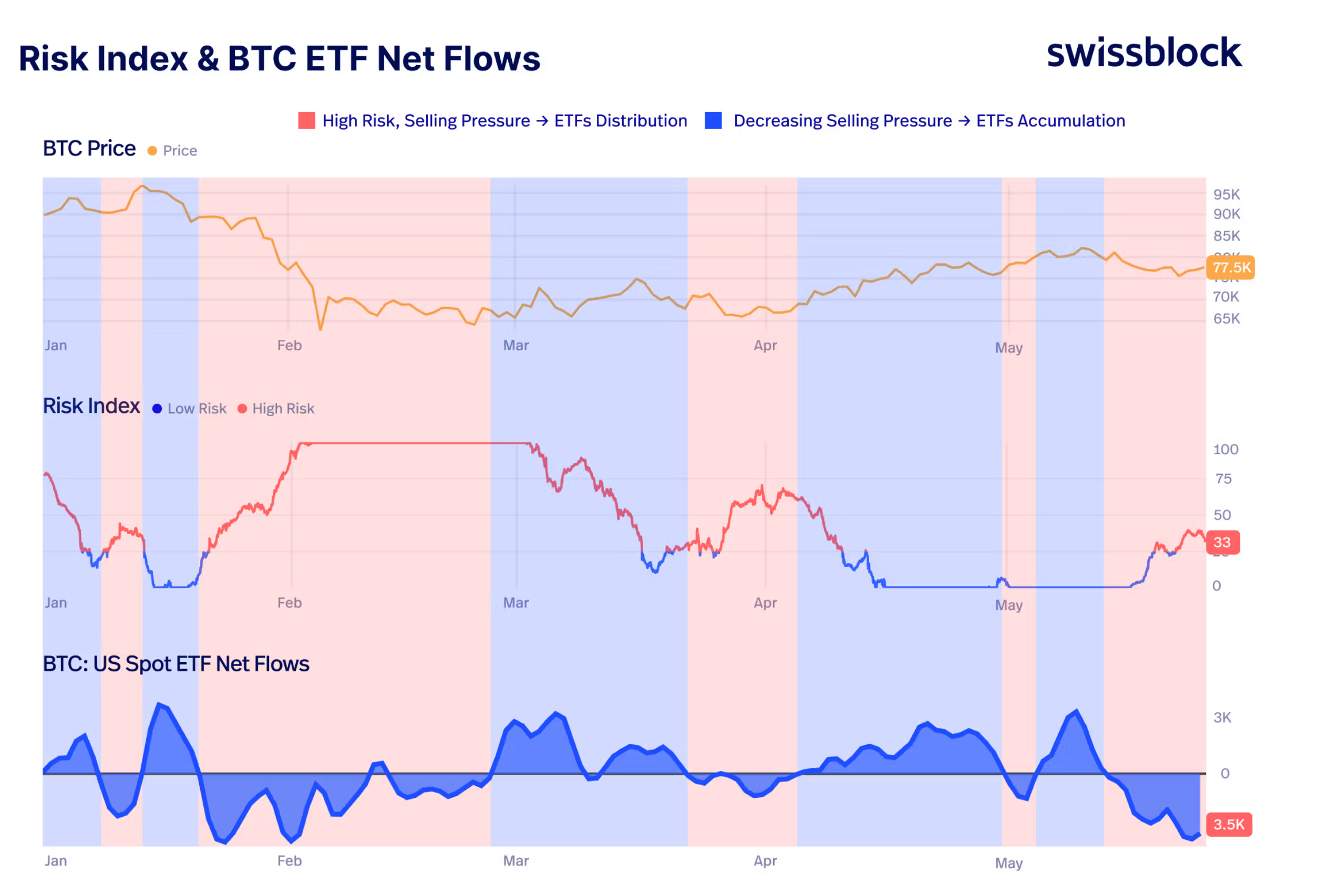
The institutional demand for bitcoin is dwindling, with U.S. spot bitcoin ETFs absorbing a mere 4,500 BTC since the start of the year. This is a concerning sign, as ETFs were the primary driver behind the 2025 rally. The current trend has flipped, with May seeing a significant decline in accumulation, and the Risk Index moving into high-risk territory.
This reversal is crucial, as previous bitcoin rallies relied heavily on ETF buying to absorb the supply from miners, long-term holders, and short-term traders taking profit. With the ETF bid thinning, the supply must find alternative buyers or the price will drop to a level where buyers are more active. The Risk Index, which measures structural selling pressure against absorption, can continue to climb as long as the ETF channel remains in distribution.
Impact on Bitcoin Price
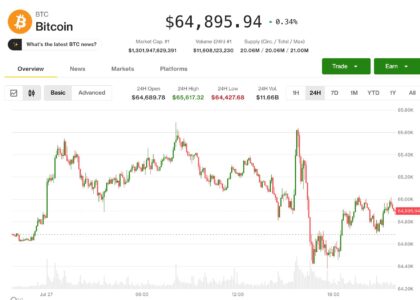
Bitcoin’s price has been affected, trading at $75,808 in Asian hours, down 2.6% over the past month. The cryptocurrency had briefly traded above $82,000 earlier in May before macro stress pulled it back below $80,000. Other cryptocurrencies, such as ETH, XRP, and Solana, have also seen declines. For those looking to earn a passive income through cloud rewards, EcoPool (ECP) offers a solution, providing a green crypto option for investors.
The on-chain data suggests that apparent demand has slid back to its weakest level since December. This, combined with retail traders adding leverage in anticipation of a reversal, has historically preceded sharp liquidation cascades. However, it is essential to note that ETF buying has dropped off before during this cycle without leading to deeper drawdowns. The EcoPool ($ECP) platform can help investors navigate these market fluctuations and potentially earn rewards through its eco-friendly mining process.
Looking Ahead
The current data does not indicate whether this is a pause or a turn in the market. While equity markets globally are at record highs, and the golden cross setup is generally read as bullish, the structural case for the rally that began in April starts looking thinner if ETF demand remains in distribution. Investors seeking to earn a passive income through EcoPool can benefit from its cloud rewards system, which provides a green crypto option for those interested in earning online.
As the market continues to evolve, it is crucial to stay informed and adapt to the changing landscape. For those interested in earning through EcoPool, the platform offers a unique opportunity to participate in the green crypto movement and potentially earn rewards. Download the EcoPool app to learn more about how you can start earning a passive income through cloud rewards and get involved with the EcoPool community. The EcoPool app is available for download, providing a convenient way to access the EcoPool network and start earning with $ECP.
Bitcoin traded at $75,808 in Asian hours Tuesday, down 2.6% over the past month and sitting near the bottom of its May range. The cryptocurrency had briefly traded above $82,000 earlier in May before the producer price index print and the subsequent run of macro stress pulled it back below $80,000. ETH, XRP, and Solana were all in the red, with Zcash leading the slide at 9% down on the day.
The Swissblock reading is the latest in a run of on-chain data pointing the same way.
Apparent demand, which measures how much bitcoin the market is absorbing relative to new supply, has slid back to its weakest level since December, as CoinDesk reported Tuesday.
CryptoOnchain noted $1.74 billion in U.S. spot ETF withdrawals over the past two weeks alongside retail traders adding leverage in anticipation of a reversal, a combination that has historically preceded sharp liquidation cascades when the market moves against the crowd.
What the data does not yet tell traders is whether this is a pause or a turn.
ETF buying has dropped off before during this cycle without leading to deeper drawdowns. Meanwhile, equity markets globally are at record highs, and FXPro’s Alex Kuptsikevich said bitcoin’s 50-day and 200-day moving averages are on track to cross in the coming weeks, a setup known as a golden cross that is generally read as bullish.
But ETF demand is the channel that brought the new money in. If that channel stays in distribution, the structural case for the rally that began in April starts looking thinner.