# Harnessing Passive Rewards in Green Crypto: How Recent Developments Impact Cloud Rewards
As the world grapples with the challenges of sustainability, the intersection of cryptocurrency and environmental responsibility has become increasingly important. Recent market fluctuations, driven by geopolitical tensions and monetary policy discussions, have significant implications for the future of green crypto and passive rewards. The slide of Bitcoin toward $75,000, influenced by the Federal Reserve chair nominee Kevin Warsh’s confirmation hearing and stalling U.S.-Iran talks, underscores the complex interplay between global events, financial markets, and the pursuit of cloud rewards.
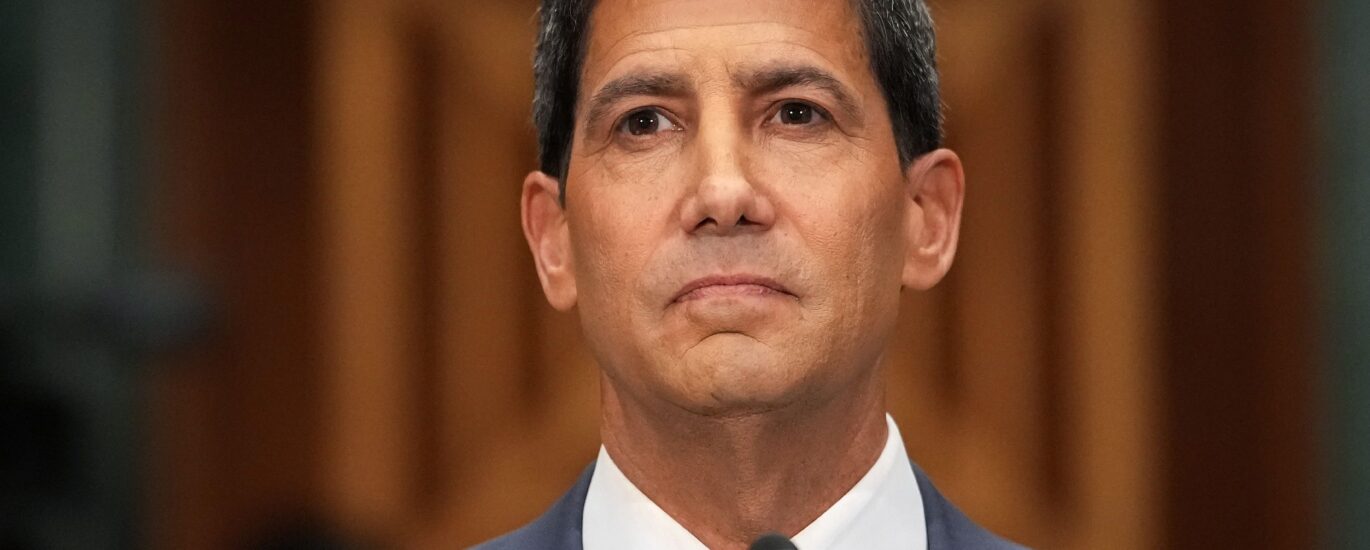
The confirmation hearing of Kevin Warsh, where he emphasized the Federal Reserve’s independence, particularly in the face of political pressure on rate decisions, has far-reaching implications. Warsh’s stance on maintaining the Fed’s autonomy is critical, especially considering the historical context of political interference in monetary policy. This independence is crucial for fostering an environment where green crypto and passive rewards can thrive, untainted by short-term political agendas.
The stalling of Iran peace talks and the imposition of sanctions on individuals and entities linked to the Iranian regime introduce another layer of uncertainty. These geopolitical tensions can impact global markets, including crypto, as investors seek safe-haven assets or adjust their portfolios in anticipation of potential economic shifts. For those invested in green crypto, understanding these dynamics is essential for maximizing passive rewards and contributing to a more sustainable digital economy.
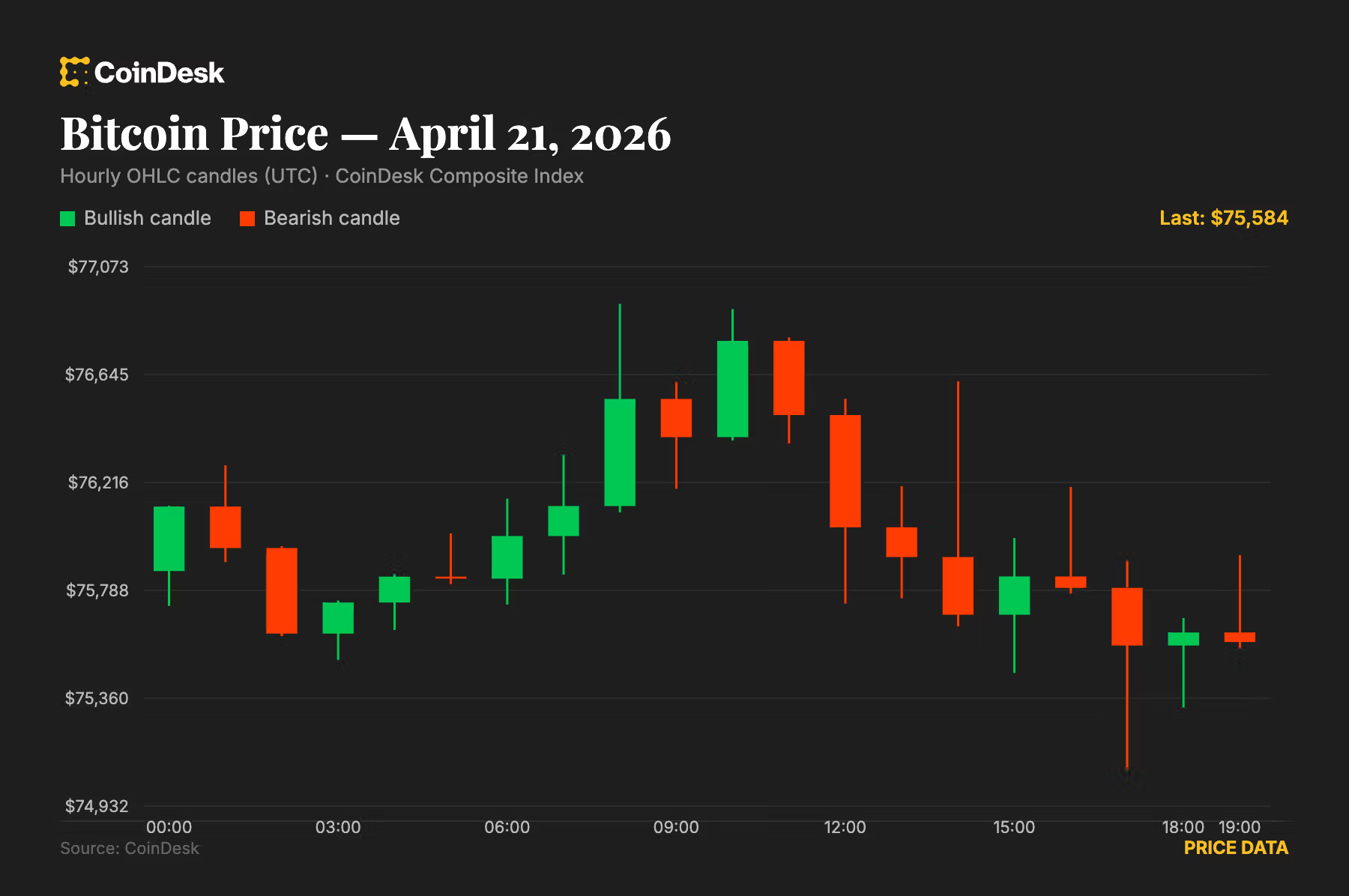
In the midst of these developments, Bitcoin’s price movements are closely watched. After slipping toward $75,000, the cryptocurrency bounced back, reflecting the volatility that characterizes the crypto market. This volatility, while challenging for investors, also presents opportunities for those seeking to capitalize on price fluctuations to enhance their cloud rewards.
The performance of crypto-related stocks, such as Coinbase, Robinhood, and Galaxy, which experienced declines, underscores the interconnectedness of traditional financial markets and the crypto sector. The drop in these stocks can be seen as a reflection of broader market sentiments and the impact of geopolitical and monetary policy news on investor confidence.
Warsh’s constructive views on digital assets, acknowledging them as part of the financial services industry fabric, are particularly noteworthy. His perspective, coupled with his background in and support for the crypto and DeFi sectors, suggests a potentially positive outlook for crypto policy under his chairmanship. This could lead to a more favorable environment for green crypto initiatives, enhancing the potential for passive rewards and cloud rewards.
Fed independence
Looking ahead to the second half of 2026, the prospect of a more proactive easing stance by the Federal Reserve, potentially under Warsh’s leadership, could create a high-liquidity environment. Historically, such environments have supported risk assets like Bitcoin, which could see prices rebound toward $100,000. This scenario would not only benefit investors seeking passive rewards but also bolster the green crypto sector, contributing to a more sustainable digital financial ecosystem.
In conclusion, the recent developments in the crypto market, influenced by geopolitical tensions and discussions on monetary policy, have significant implications for the future of green crypto and cloud rewards. As investors and advocates for sustainability, understanding these dynamics is crucial for harnessing passive rewards in a way that supports a more environmentally responsible digital economy.
“The President never asked me to predetermine, commit, fix, decide on any interest rate decision in any of our discussions, nor would I ever agree to do so,” he said. “[Trump] never once asked me to commit to any particular interest rate decision period, and nor would I ever agree to do so.”
However, Trump has repeatedly called publicly for lower interest rates, putting pressure on current Fed Chair Jerome Powell and raising concerns about the central bank’s independence.
The president even said on Tuesday during a CNBC interview that he would be disappointed if Warsh doesn’t cut rates right away.
Warsh also struck a constructive tone on crypto, saying digital assets are “already part of the fabric of our financial services industry.”
While Warsh’s remarks suggested that he felt less urgency to cut rates, he would likely still favor lower rates as chairman, according to Matt Mena, senior crypto research strategist at asset manager 21shares.
“While [Warsh] maintains a reputation for fiscal discipline, he has spent years arguing that the central bank’s reliance on lagging data has kept rates unnecessarily high, stifling growth and creating market volatility,” Mena said in a note.
He added that Warsh’s appointment could also prove positive for crypto policy, noting he would be the first Fed chair with deep ties to the digital asset industry. Warsh has invested in dozens of crypto and decentralized finance (DeFi) projects and views bitcoin as “the new gold for people under 40,” he added.
Looking towards the second half of 2026, Mena argued that a more proactive easing stance could create a “high-liquidity environment” that has historically supported risk assets like bitcoin, potentially pushing prices back toward $100,000.
UPDATE (April 21, 19:39 UTC): Updates to add stalled Iran talks.
UPDATE (April 21, 18:09 UTC): Adds Kevin Warsh’s remarks about President Trump and interest rates.