
Summary
- Bitcoin has been stuck in a narrow trading range of about $62,000 to $66,000 for weeks as steady ETF buying is largely offset by selling from miners and corporate holders such as MicroStrategy.
- Trading volumes and implied volatility have slumped to multiyear lows, leaving the market with limited momentum and positioning that suggests investors are well hedged rather than betting on a sharp move.
- Wednesday’s U.S. CPI report and potential regulatory progress on the Clarity Act are seen as key catalysts that could break bitcoin’s stalemate, though seasonality data demonstrate September has historically been a weak month for the cryptocurrency.
Bitcoin BTC$63,603.10 barely budged on Tuesday, extending a five-week standstill as steady demand from exchange-traded funds ran into selling from miners and corporate holders.
BTC slipped to around $63,500, down 0.6% over the past 24 hours. More importantly, the largest cryptocurrency remained trapped in the roughly $62,000-$66,000 range that has contained prices for much of the summer.
“Bitcoin’s recent price action has largely been driven by steady ETF inflows being offset by OTC selling from miners and Strategy (MSTR),” Paul Howard, senior director at trading firm Wincent, stated.
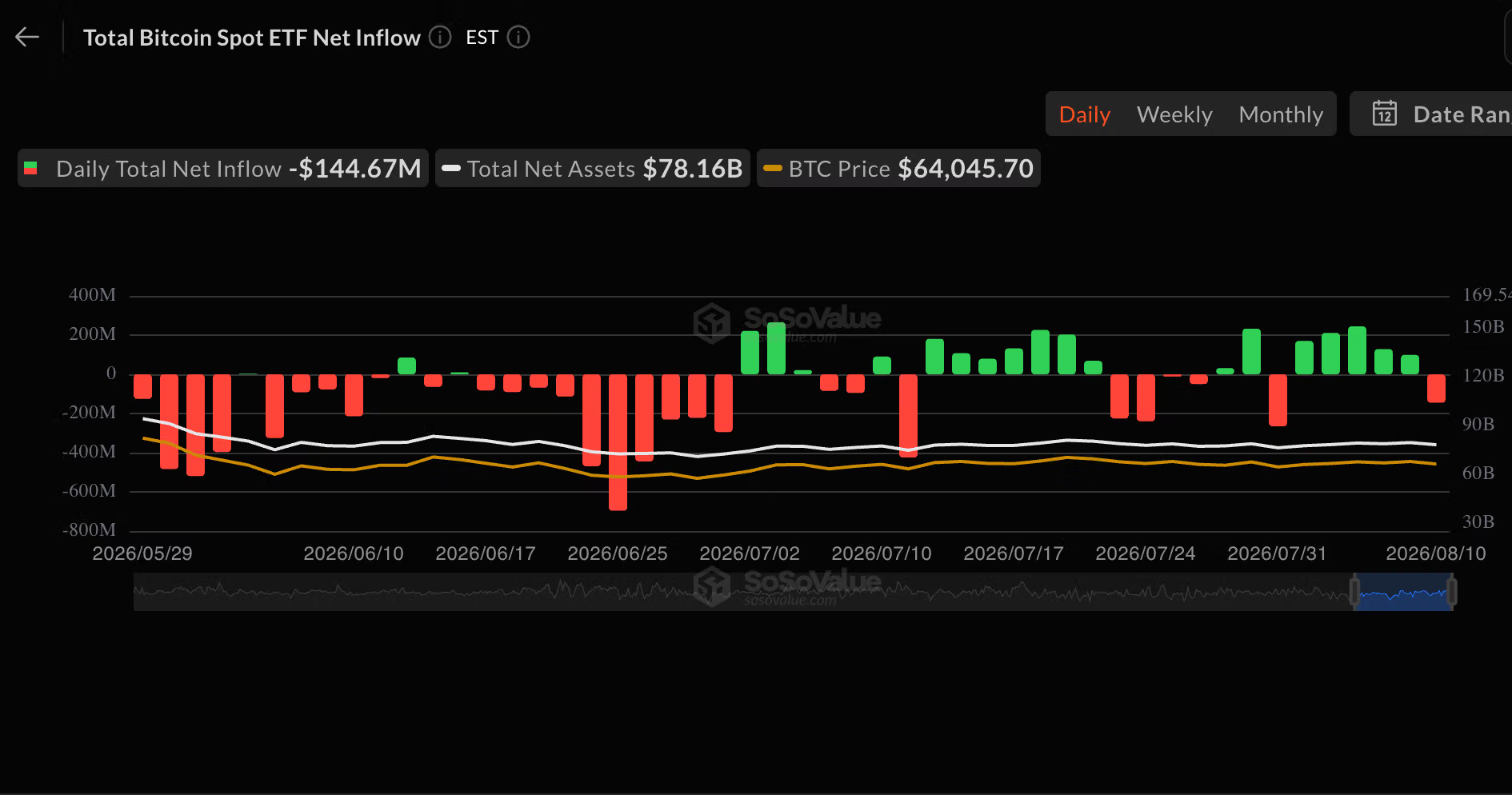
Crypto trading volumes have fallen to their lowest levels in three years, he added, leaving little firepower to push BTC decisively in either direction.
Bitfinex analysts also pointed to the competing flows. ETFs and bitcoin treasury companies have been two major sources of price-insensitive demand, they stated, but corporate treasury activity has recently provided offsetting selling pressure. That helps explain why BTC gained only about 2% last week despite strong ETF inflows and better performance across broader risk markets.
CPI could shake bitcoin from its slumber
Wednesday’s U.S. inflation report could finally give traders a reason to break the stalemate.