
Ever wonder how a sudden rush of withdrawals can cripple a bank in a matter of minutes? This article explains the mechanics behind bank runs, how automated financial decisions—especially those driven by artificial intelligence (AI)—can accelerate them, and what you should consider when using AI tools for your money.
What a bank run actually is
A bank run occurs when a large number of depositors try to withdraw their funds at the same time because they fear the institution cannot meet its obligations. Banks operate on a fractional reserve system, meaning they keep only a small percentage of deposits as cash on hand while lending out the rest. If withdrawals exceed the cash reserve, the bank may be forced to sell assets quickly, often at a loss, which can lead to insolvency.
Historically, bank runs spread through word of mouth, news reports, or panic after a financial shock. The key ingredients are:
- Information asymmetry: Depositors lack full visibility into a bank’s health.
- Speed of reaction: The faster people act, the less time the bank has to raise liquidity.
- Contagion: One group’s panic can inspire others to follow, creating a self‑fulfilling prophecy.
How AI‑driven automation changes the game
Artificial intelligence can automate financial decisions at a scale and speed far beyond human capability. When AI agents are programmed to monitor account balances, credit limits, or market signals, they can trigger withdrawals, transfers, or asset sales automatically. If many AI agents receive the same trigger—say, a downgrade in a bank’s credit rating—they may all act within seconds.
Two technical factors make this risky:
- Algorithmic synchronization: Similar models trained on the same data sets can produce identical outputs at the same time, causing a coordinated surge of actions.
- Bypassing security controls: Advanced AI can identify loopholes in authentication or transaction limits, especially if security rules are static and not designed for machine‑to‑machine interactions.
When these factors combine, a bank could face a flood of automated withdrawals that overwhelms its cash reserves before human operators can intervene.
Real‑world illustration
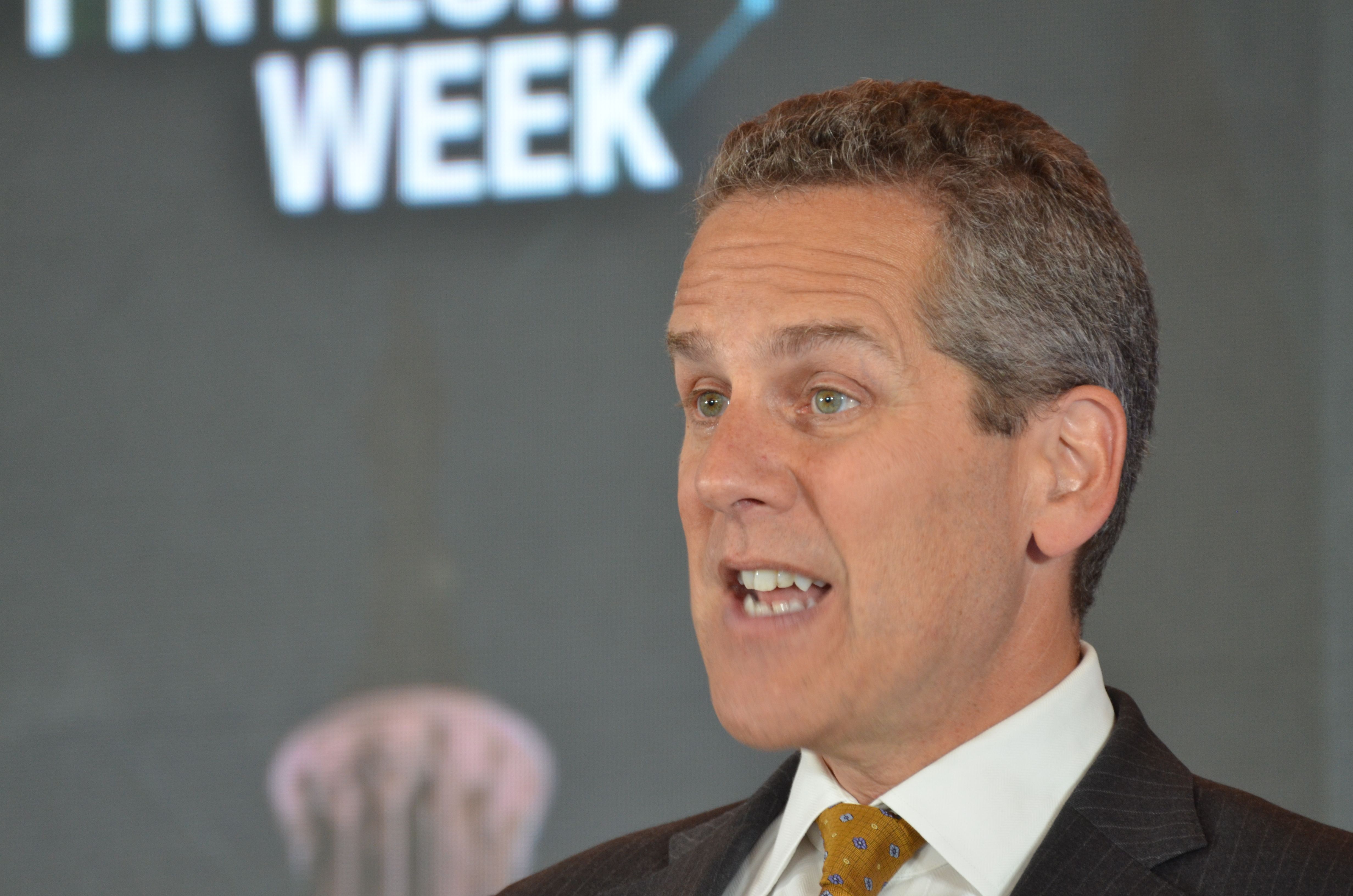
In March 2026, Federal Reserve Governor Michael Barr warned at an AI conference in Italy that “automated financial decisions could overwhelm banks” and that AI systems might “bypass security controls.” His remarks highlighted the potential for AI agents to trigger rapid, large‑scale withdrawals, effectively turning a traditional bank run into a digital flash event.
What this means for you
If you use AI‑powered budgeting apps, robo‑advisors, or automated trading bots, you are already trusting software with financial actions. Understanding the systemic risk helps you make safer choices:
- Set manual approval thresholds for large transfers or withdrawals, even if the app suggests them automatically.
- Diversify where you keep cash—don’t store all savings in a single institution, especially if that bank’s digital infrastructure is untested at scale.
- Stay informed about the security features of any AI service you use, such as multi‑factor authentication and transaction monitoring.
How to evaluate the safety of AI‑driven financial tools
Before linking your bank account to an AI platform, consider these checkpoints:
- Regulatory compliance: Verify that the service complies with local banking and data‑privacy regulations.
- Security architecture: Look for real‑time fraud detection, rate‑limiting on API calls, and robust authentication methods.
- Transparency of algorithms: Prefer tools that disclose how decisions are made and allow you to adjust parameters.
- Exit strategy: Ensure you can easily revoke access or move funds without a lengthy approval process.
FAQ
Can an AI bot really cause a bank to fail?
On its own, a single bot is unlikely to bring down a well‑capitalized bank. However, if many bots act on the same signal, the cumulative effect can exhaust a bank’s cash reserves faster than human‑initiated withdrawals.
Are banks preparing for AI‑induced runs?
Regulators and large banks are beginning to stress‑test their systems against rapid, automated withdrawals, but many smaller institutions still rely on legacy processes that may not handle such speed.
Should I stop using AI for my finances?
No. AI can improve budgeting, investment, and risk management. The key is to use tools that give you control over large or unusual transactions and to stay aware of the broader systemic risks.
What’s the safest way to keep emergency funds?
Keep a portion of emergency cash in a highly liquid account with a reputable bank that offers strong security controls, and consider a separate, non‑digital account for immediate access.
This article references reporting from coindesk.com.





