Are you curious whether you can buy Bitcoin or Ether through a traditional bank instead of a crypto‑exchange? This article explains how banks offer direct crypto trading, what infrastructure makes it possible, and what you should consider before using such services.
What bank‑provided crypto trading actually is
When a bank allows clients to trade cryptocurrencies, it acts as an intermediary that executes buy‑ and sell‑orders on the client’s behalf. The bank typically partners with a licensed exchange or a custodial service that holds the digital assets. From the client’s perspective, the transaction appears on the bank’s online banking platform just like a foreign‑exchange trade.
Key components include:
- Custody solution – A secure system that stores the private keys controlling the crypto assets. Banks either use their own vaults or rely on third‑party custodians that meet regulatory standards.
- Execution venue – The actual buying or selling happens on a regulated exchange or a broker‑dealer that the bank has integrated with. This ensures price discovery and liquidity.
- Compliance layer – Anti‑money‑laundering (AML) and know‑your‑customer (KYC) checks are applied just as they are for fiat transactions. The bank must also follow any local crypto‑related regulations.
- Settlement process – After an order is filled, the crypto is either transferred to the bank’s custody account or, in some cases, directly to the client’s personal wallet if the bank offers a “self‑custody” option.
Because the bank controls the entire flow, clients do not need to create separate exchange accounts or manage private keys, which can feel safer for those unfamiliar with the technical aspects of crypto.
Real‑world example
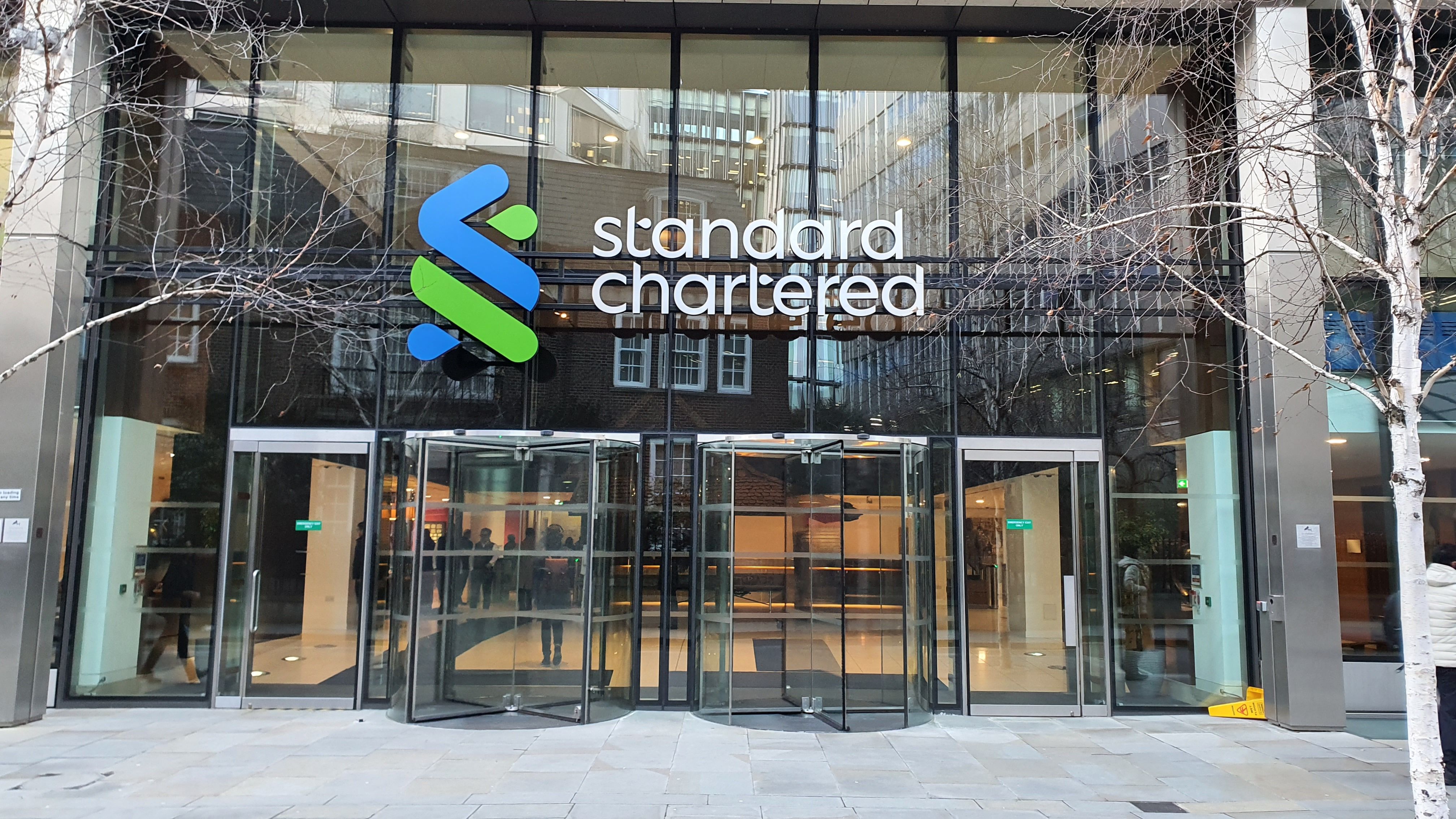
In 2026, Standard Chartered announced that it would allow its affluent clients in the United Arab Emirates to trade Bitcoin and Ether directly through the bank’s platform. The service uses a regulated exchange partner for order execution and a custodial provider that meets the UAE’s financial‑services standards. Clients can place trades via the bank’s app, and the purchased crypto is held in a custodial wallet managed by the bank’s partner.
What this means for you
Bank‑offered crypto trading can simplify the entry point for new investors. You benefit from a familiar user interface, consolidated statements, and the bank’s existing compliance safeguards. However, the convenience comes with trade‑offs:
- Limited asset selection – Most banks start with Bitcoin and Ether only, leaving out many altcoins.
- Higher fees – Banks may charge a spread or a percentage fee that is higher than those on dedicated crypto exchanges.
- Custody control – If the bank holds the private keys, you do not have full ownership of the assets; you rely on the bank’s security and solvency.
- Regulatory exposure – Changes in local crypto regulations can affect the availability of the service.
What to check before you sign up
- Confirm that the bank’s custodian is licensed and follows recognized security standards (e.g., SOC 2, ISO 27001).
- Review the fee schedule: look for spreads, transaction fees, and any custody charges.
- Understand the settlement timeline—some banks settle on‑chain within minutes, while others may batch transactions, causing delays.
- Check whether you can withdraw the crypto to an external wallet, or if it must stay in the bank’s custody.
- Verify the bank’s compliance policies, especially how it handles AML/KYC and what documentation you’ll need to provide.
FAQ
Do I own the crypto outright when it’s held by the bank?
Typically, the bank’s custodian holds the private keys, so you have a contractual claim to the assets rather than direct control. If the bank offers a self‑custody option, you can move the crypto to a personal wallet.
Are the prices I see on the bank’s platform the same as on major exchanges?
The bank sources prices from its execution partner, which usually reflects market rates from large, regulated exchanges. Small price differences (spreads) are common and cover the service cost.
Can I trade other cryptocurrencies besides Bitcoin and Ether?
Most banks start with the two largest coins. Expansion to additional assets depends on regulatory approval and demand, so check the bank’s current offering list.
What risks should I be aware of?
Beyond market volatility, consider custodial risk (the bank could be hacked or face insolvency), regulatory risk (service could be suspended if laws change), and fee risk (higher costs can erode returns).
This article references reporting from coindesk.com.