Opening
If you’ve heard about “Bitcoin ETFs” and wonder how they differ from buying Bitcoin directly, this article explains the mechanics, the benefits, and the risks. By the end, you’ll know whether a Bitcoin ETF fits your online‑earning strategy.
The plain explanation
An exchange‑traded fund (ETF) is an investment vehicle that holds a basket of assets and trades on a stock exchange just like a regular stock. A Bitcoin ETF does the same thing, but its underlying asset is Bitcoin. When you buy a share of a Bitcoin ETF, you are not holding the cryptocurrency yourself; instead, you own a fractional claim on the fund’s Bitcoin holdings.
There are two main types of Bitcoin ETFs:
- Physical (or “spot”) Bitcoin ETFs – The fund actually purchases and stores Bitcoin in secure custodial wallets. Each share represents a proportionate amount of those coins.
- Futures‑based Bitcoin ETFs – The fund invests in Bitcoin futures contracts rather than the spot market. Futures are agreements to buy or sell Bitcoin at a predetermined price on a future date.
Both types are regulated by securities authorities, which means they must follow reporting, disclosure, and custodial standards. This regulatory oversight is a key reason many investors prefer ETFs over direct ownership: they can gain exposure to Bitcoin without dealing with private keys, wallets, or exchanges.
When you place an order for a Bitcoin ETF share, the trade is executed through your brokerage just like any other stock. The price you pay reflects the net asset value (NAV) of the fund – essentially the total value of the Bitcoin it holds divided by the number of outstanding shares – plus a small premium or discount that can arise from market demand.
ETF providers charge an expense ratio, a yearly fee expressed as a percentage of your investment. This fee covers custody, insurance, auditing, and administrative costs. For Bitcoin ETFs, expense ratios tend to be higher than for traditional equity ETFs because of the added complexity of securing digital assets.
A real example
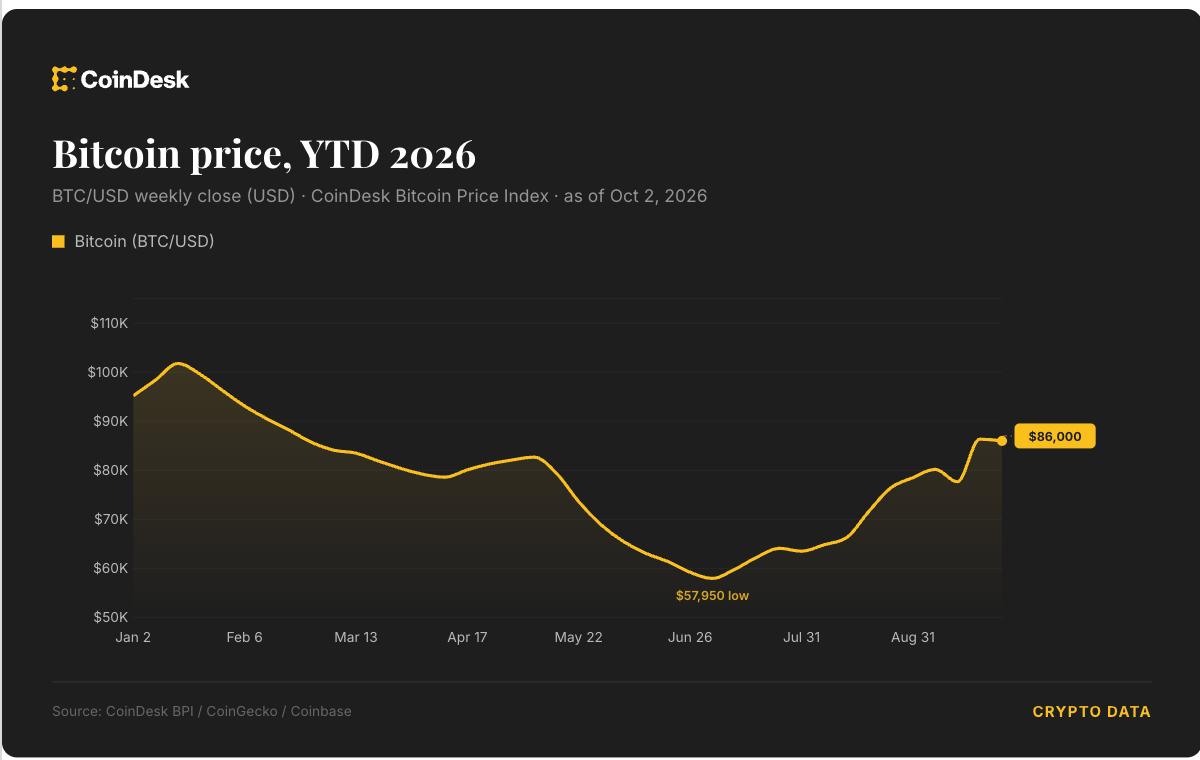
In early October 2026, Bitcoin ETFs saw a notable inflow of $102.7 million on a single trading day, according to SoSoValue data. This followed a previous day’s outflow of $148.7 million, highlighting how investor sentiment can shift quickly. The combined assets of U.S. spot Bitcoin ETFs rose to $109.3 billion, with cumulative net inflows reaching $57.6 billion for the year.
These numbers illustrate that ETFs can attract large sums of capital in a short period, driven by factors such as price momentum, regulatory clarity, and the convenience of trading through familiar brokerage platforms.
What it means for you
For an everyday investor looking to earn passive income or diversify a portfolio, a Bitcoin ETF offers several practical advantages:
- Simplified access: You can buy and sell shares through the same account you use for stocks, avoiding the need to set up a crypto exchange account or manage private keys.
- Regulated environment: The fund must adhere to securities laws, providing a layer of investor protection that direct crypto holdings lack.
- Liquidity: Because ETFs trade on major exchanges, you can typically enter or exit positions during market hours with minimal slippage.
- Tax reporting: Brokers usually provide a consolidated tax document, simplifying the reporting of gains and losses compared to tracking individual Bitcoin transactions.
However, you also inherit the same price volatility that Bitcoin exhibits. If Bitcoin’s price falls, the value of your ETF shares will fall accordingly. Additionally, the expense ratio erodes returns over time, especially in flat or declining markets.
What to check / how to judge
- ETF type: Determine whether the fund is spot‑based or futures‑based. Spot ETFs give you direct exposure to Bitcoin’s price, while futures ETFs can introduce roll‑over costs and tracking error.
- Expense ratio: Compare the annual fee across providers. A lower expense ratio preserves more of your earnings, but also consider custodial security and insurance coverage.
- Liquidity and trading volume: Higher daily volume reduces the spread between the market price and the NAV, ensuring you can trade at a fair price.
- Custodian reputation: Verify that the fund uses a reputable, insured custodian for storing the underlying Bitcoin. Look for audits and third‑party attestations.
- Regulatory status: Ensure the ETF is registered with the appropriate securities regulator (e.g., the U.S. Securities and Exchange Commission). This confirms compliance with disclosure and reporting standards.
FAQ
Do I need a crypto wallet to hold a Bitcoin ETF?
No. The ETF provider handles custody of the Bitcoin. You only need a standard brokerage account to buy and sell shares.
Can I earn interest on a Bitcoin ETF like I can with some staking platforms?
Bitcoin ETFs do not generate staking rewards because Bitcoin itself does not have a native staking mechanism. Returns come solely from price appreciation, minus the fund’s expense ratio.
What happens if the ETF’s custodian is hacked?
Reputable funds carry insurance and undergo regular audits. In the event of a loss, the insurance may cover a portion of the shortfall, but investors could still face a reduction in NAV. Reviewing the fund’s insurance policy is essential.
Is a Bitcoin ETF suitable for long‑term passive income?
Because Bitcoin does not produce cash flow, a Bitcoin ETF is primarily a price‑appreciation vehicle. For passive income, you would need to combine it with other assets that generate dividends or staking yields.
This article references reporting from cointelegraph.com.