Ever wonder how you can gain exposure to Bitcoin without actually buying the cryptocurrency itself? This article breaks down what a Bitcoin exchange‑traded fund (ETF) is, how it operates, and what you should consider before using one to earn passive income.
What is a Bitcoin ETF?
An exchange‑traded fund (ETF) is an investment vehicle that holds a basket of assets and trades on a traditional stock exchange, just like a regular stock. A Bitcoin ETF specifically tracks the price of Bitcoin. Instead of storing private keys or managing a digital wallet, investors buy shares of the fund, and the fund’s manager holds the underlying Bitcoin (or Bitcoin futures contracts) on their behalf.
Key terms:
- Underlying asset: The actual Bitcoin that the fund owns or the futures contracts it uses to mirror Bitcoin’s price movements.
- Net asset value (NAV): The total value of the fund’s holdings divided by the number of shares outstanding.
- Expense ratio: The annual fee charged by the fund manager for operating the ETF, expressed as a percentage of assets.
Because the ETF is listed on a regulated exchange, investors can buy and sell shares through standard brokerage accounts, benefiting from familiar trading tools, tax reporting, and the protection of securities regulations.
How Does a Bitcoin ETF Generate Returns?
The value of each ETF share rises and falls in line with Bitcoin’s market price. If Bitcoin’s price increases, the fund’s NAV rises, and the share price typically follows. Some ETFs use physical Bitcoin (holding the actual coins), while others use Bitcoin futures contracts, which can introduce tracking differences due to contract roll‑over costs.
Investors may also earn dividends if the ETF distributes any income, though most Bitcoin ETFs are designed to be pure price‑tracking vehicles and do not pay regular dividends. The primary source of return is capital appreciation (or depreciation) of the Bitcoin price.
Real‑World Illustration
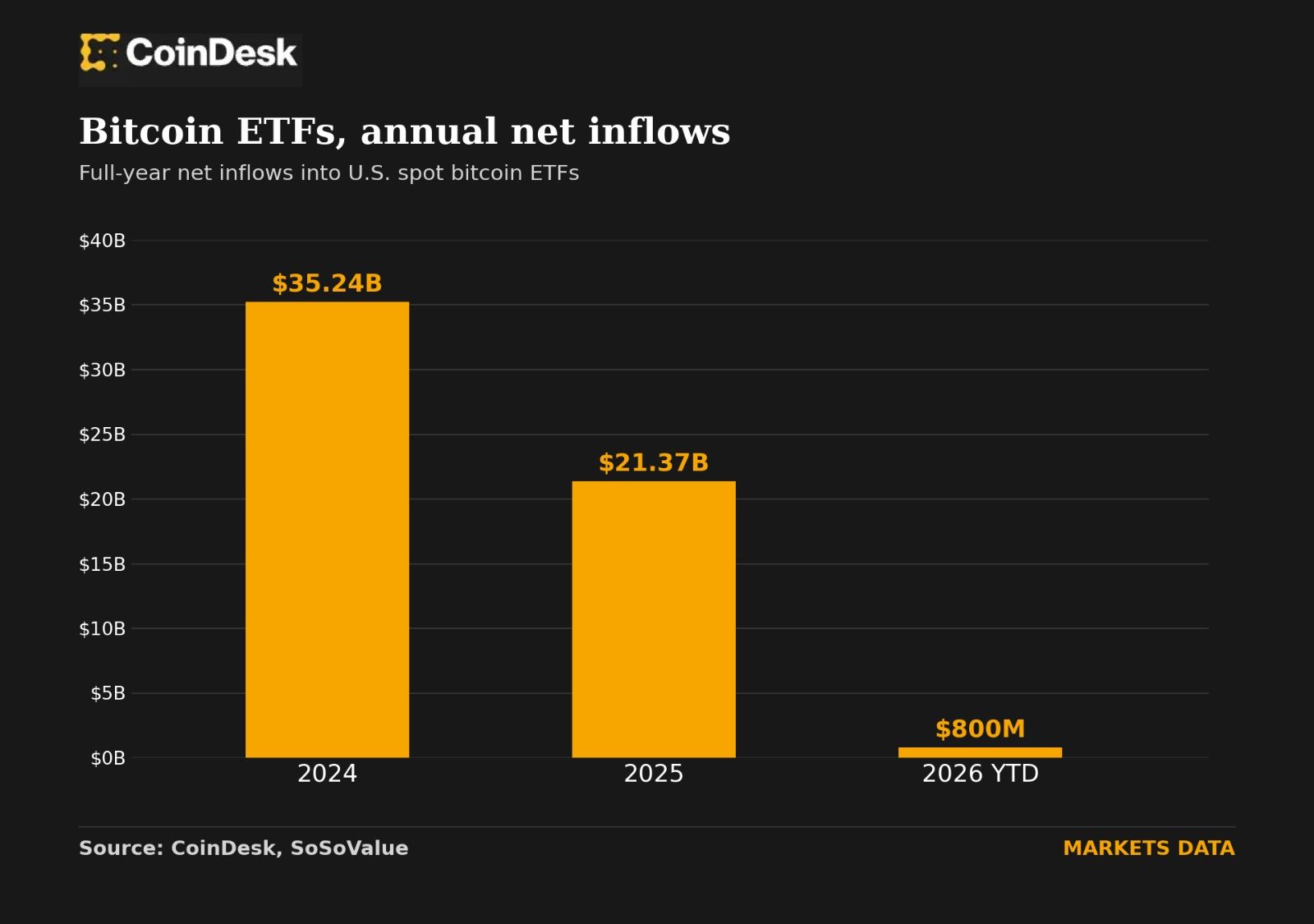
In March 2026, a series of Bitcoin exchange‑traded funds entered the market, collectively erasing a $5.8 billion shortfall that had built up in Bitcoin’s market capitalization. The influx of ETF capital helped stabilize Bitcoin’s price near $84,000, demonstrating how large, regulated investment products can influence market dynamics and provide a more accessible route for retail investors.
What It Means for You
If you want exposure to Bitcoin’s price movements without dealing with wallets, private keys, or the technical aspects of buying and storing the cryptocurrency, a Bitcoin ETF offers a convenient alternative. You can purchase shares through the same brokerage you use for stocks, benefit from standard settlement processes, and potentially reduce the risk of losing coins due to hacking or mismanagement.
However, remember that the ETF’s price may not perfectly track Bitcoin due to fees, tracking error, or the use of futures contracts. Also, the expense ratio, typically ranging from 0.5 % to 1 % per year, will eat into your returns over time.
What to Check Before Investing
- Structure: Determine whether the ETF holds physical Bitcoin or uses futures contracts. Physical holdings usually provide tighter price correlation.
- Expense ratio: Compare fees across different Bitcoin ETFs; lower fees preserve more of your earnings.
- Liquidity: Look at the average daily trading volume and the bid‑ask spread. Higher liquidity means you can enter and exit positions with less price impact.
- Regulatory status: Ensure the ETF is approved by a reputable regulator (e.g., the U.S. SEC) and listed on a major exchange.
- Tax treatment: Understand how gains from ETF shares are taxed in your jurisdiction, as this can differ from direct cryptocurrency transactions.
FAQ
Do Bitcoin ETFs eliminate the need for a crypto wallet?
Yes. When you own ETF shares, the fund manager holds the Bitcoin, so you never need to manage private keys or a wallet yourself.
Can I lose money with a Bitcoin ETF?
Investing in a Bitcoin ETF carries the same market risk as holding Bitcoin directly. If Bitcoin’s price falls, the value of your ETF shares will also decline.
Are Bitcoin ETFs safe from hacks?
While the ETF itself is subject to the security standards of the issuing financial institution, it is generally considered safer than holding Bitcoin in a personal wallet, which can be vulnerable to phishing or malware. Nonetheless, no investment is completely risk‑free.
How do taxes differ between a Bitcoin ETF and direct Bitcoin ownership?
In many jurisdictions, ETF transactions are treated like stock trades, which may simplify reporting. Direct Bitcoin trades often require separate capital‑gains calculations for each transaction. Always consult a tax professional for advice specific to your situation.
This article references reporting from coindesk.com.