
Wondering why a miner’s earnings can swing dramatically from one day to the next? This article explains the key factors that influence Bitcoin mining profitability and how you can assess whether mining remains a viable source of passive income.
The basics: what mining profitability means
Bitcoin mining is the process of using computer hardware to solve complex mathematical puzzles, which secures the network and creates new coins. When a miner successfully solves a puzzle, they receive a block reward – currently 6.25 BTC – plus any transaction fees included in that block. Profitability is the difference between the value of these rewards (converted to fiat currency) and the costs incurred to generate them, primarily electricity and hardware depreciation.
Three core variables determine the bottom line:
- Bitcoin price: The market price of BTC directly translates the block reward into dollars or euros. A higher price means higher revenue for the same amount of work.
- Network difficulty: This is a measure of how hard it is to find a valid block. The Bitcoin protocol adjusts difficulty roughly every two weeks to keep block times around ten minutes, regardless of how many miners are active. Higher difficulty reduces the chance that any single miner will find a block, lowering expected earnings.
- Operating costs: The most significant expense is electricity, measured in kilowatt‑hours (kWh). Hardware costs, cooling, and maintenance also factor in, but electricity typically dominates the calculation.
To estimate profitability, miners multiply the expected number of blocks per day by the current BTC price, then subtract the daily electricity bill and an allocation for hardware wear.
Real‑world illustration
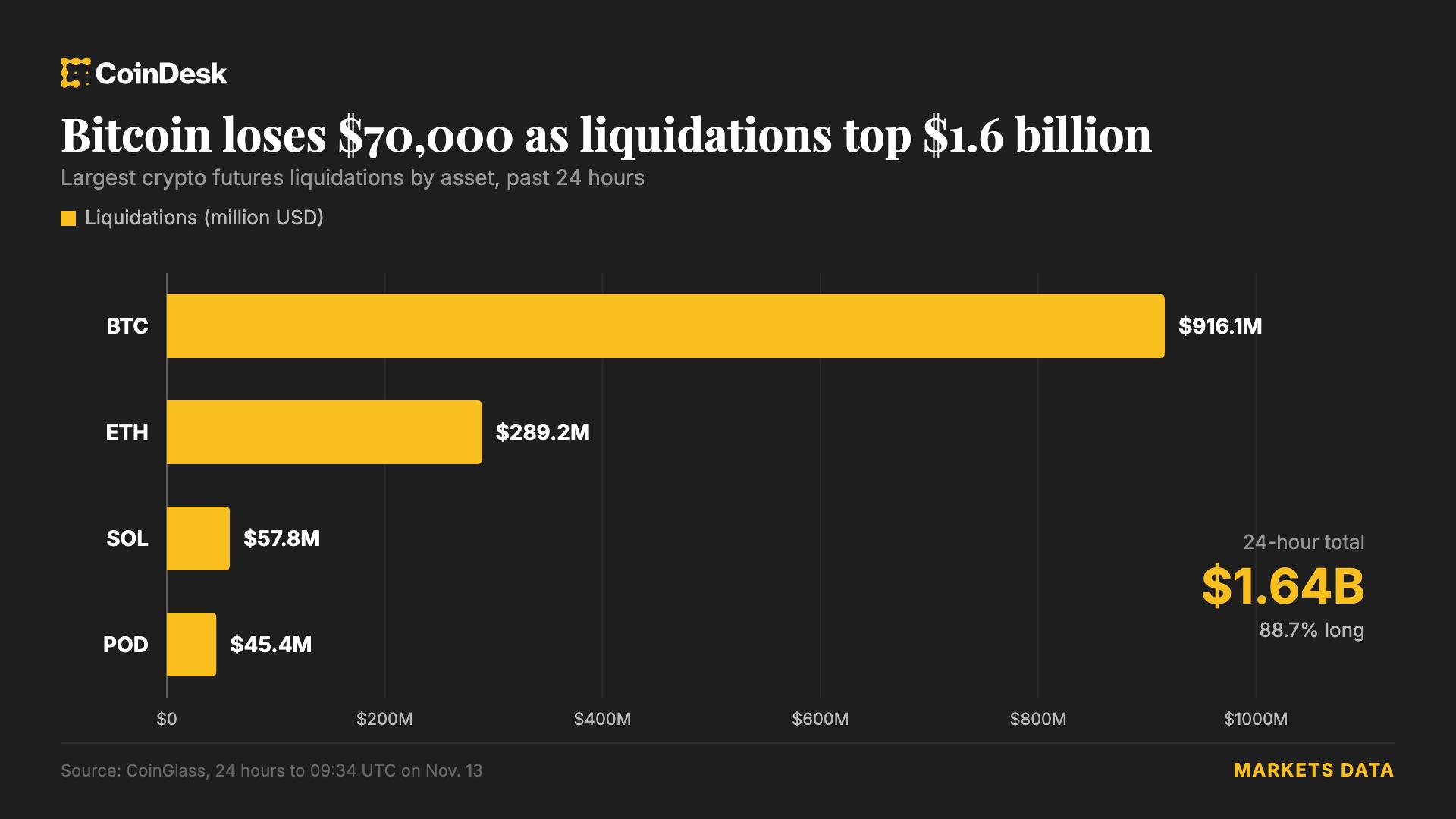
In March 2026, Bitcoin fell below $70,000 for the first time since August, dropping 3.5 % in a single day while the U.S. dollar strengthened on interest‑rate expectations. The price dip, combined with $1.6 billion in liquidations across crypto markets, squeezed miners’ revenue. Even though the network difficulty remained unchanged in the short term, the lower BTC price meant that the same amount of work generated fewer dollars, reducing profitability for many small and medium‑size operators.
What it means for you
If you are considering mining as a source of passive income, a price decline like the one in March 2026 can turn a previously profitable operation into a loss‑making one. Because difficulty adjustments lag behind price movements, miners often experience a period of reduced margins after a sharp market swing. This lag can be especially challenging for miners who rely on tight cash flow and cannot absorb short‑term losses.
Conversely, a rising BTC price can quickly improve margins, sometimes offsetting higher difficulty levels. Understanding the interplay of these variables helps you decide whether to start mining, scale up, or temporarily pause operations.
How to evaluate a mining opportunity
- Calculate break‑even electricity cost: Use an online profitability calculator. Input your hardware’s hash rate (the speed at which it solves puzzles), power consumption, current BTC price, and network difficulty. The tool will show the maximum electricity price you can pay while still breaking even.
- Monitor difficulty trends: Check the difficulty chart on sites like blockchain.com. A rapidly rising difficulty signals increasing competition, which may erode future profits.
- Assess hardware efficiency: Newer ASIC models (Application‑Specific Integrated Circuits) offer higher hash rates per watt. Compare the energy efficiency (Joules per terahash) of any equipment you plan to buy.
- Factor in non‑electricity costs: Include cooling, rental space, and the depreciation schedule of your machines. A common rule of thumb is to allocate 20‑30 % of revenue for these overheads.
- Plan for price volatility: Keep a cash reserve that can cover at least one month of operating costs. This buffer protects you during price dips similar to the March 2026 event.
FAQ
What is “hash rate” and why does it matter?
Hash rate measures how many cryptographic calculations a miner can perform each second, expressed in hashes per second (H/s). Higher hash rates increase the chance of finding a block, directly boosting potential earnings.
Can I mine profitably with renewable energy?
Renewable sources such as solar or wind can lower your electricity cost, which is the biggest expense. If you can secure near‑zero‑cost power, you improve your break‑even point and become less vulnerable to price drops.
How often does difficulty change, and does it affect my earnings instantly?
Difficulty adjusts every 2016 blocks, roughly every two weeks. When difficulty rises, each miner’s expected share of blocks falls, reducing earnings. The effect is gradual; you will notice the impact on profitability after the next adjustment.
Is cloud mining a safer way to earn?
Cloud mining lets you rent hash power from a provider. It removes the need to manage hardware, but you must trust the provider’s contract terms and their ability to cover electricity costs. Always verify the provider’s reputation and read the fine print before committing funds.
This article references reporting from coindesk.com.





