
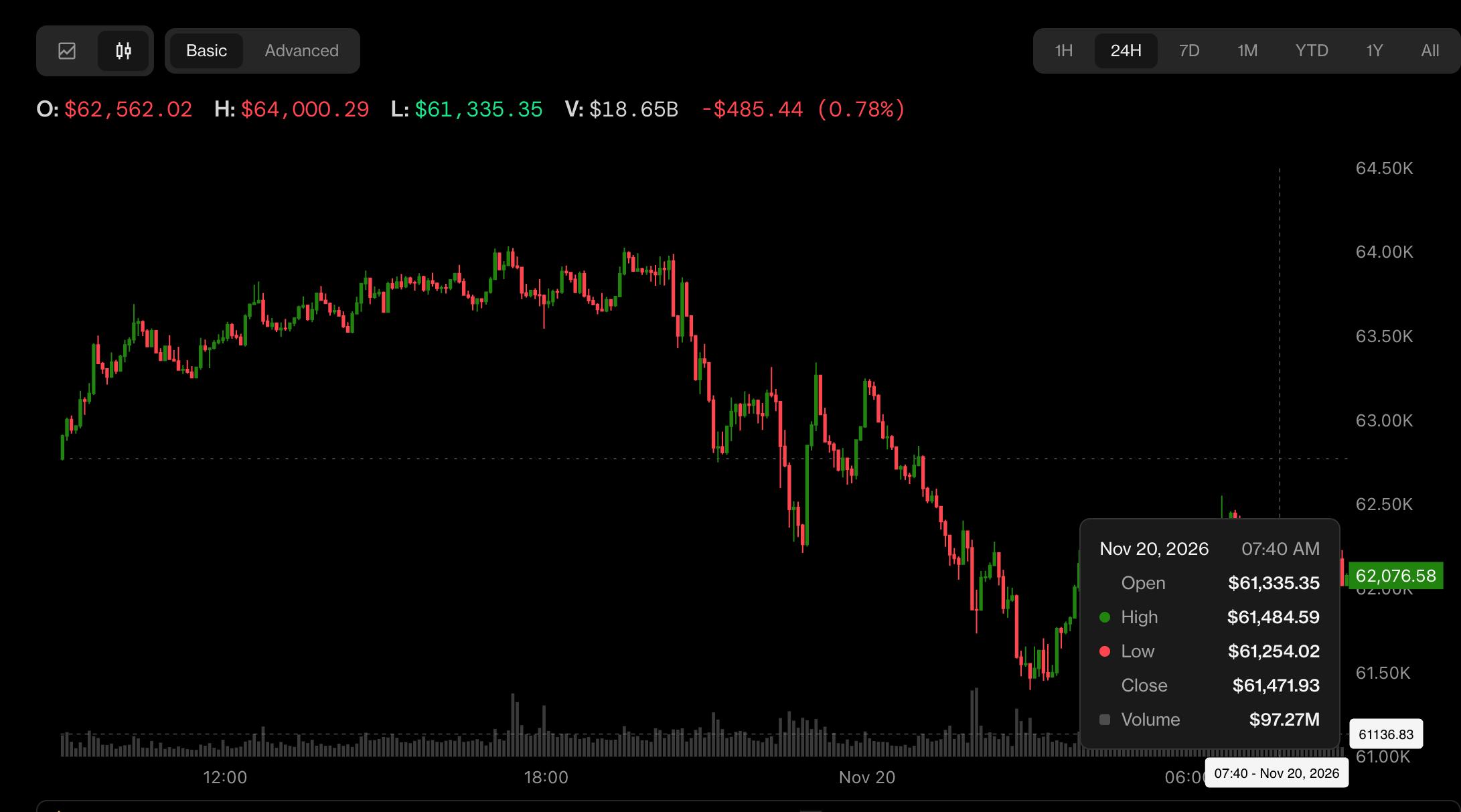
Wondering why Bitcoin’s price swings feel unpredictable and how those changes affect anyone trying to earn from mining? This article explains the key forces behind Bitcoin’s price and shows how they translate into mining profitability.
What determines Bitcoin’s price?
Bitcoin is a decentralized digital asset, meaning its price is set by the market rather than a central authority. The price you see on exchanges is the result of supply and demand at any given moment. Several factors influence that balance:
- Market sentiment. Traders’ collective optimism or fear can push prices up or down. News about regulations, technology upgrades, or macro‑economic trends often shape sentiment.
- Liquidity and trading volume. When many buyers and sellers are active, price changes tend to be smoother. Low liquidity can cause sharp moves from relatively small orders.
- Institutional activity. Large investors, hedge funds, or corporate treasuries can move the market with sizable trades or by announcing exposure to Bitcoin.
- Macro‑economic environment. Interest rates, inflation expectations, and the performance of traditional assets like stocks or commodities often correlate with Bitcoin’s risk‑on or risk‑off behavior.
- Technical factors. Bitcoin’s own network events—such as halving events that reduce block rewards, or upgrades that improve scalability—affect long‑term supply expectations.
How price impacts mining profitability
Mining is the process of validating Bitcoin transactions and adding them to the blockchain. Miners compete to solve a cryptographic puzzle; the first to succeed receives a block reward (currently 6.25 BTC) plus any transaction fees. Profitability depends on two main variables:
- Revenue side. The block reward and fees are converted to fiat or stablecoins at the current Bitcoin price. A higher price means each mined Bitcoin is worth more, boosting revenue.
- Cost side. Energy consumption, hardware depreciation, and maintenance are the primary expenses. These costs are mostly fixed in fiat terms, so a price drop reduces the margin between revenue and expense.
Because the block reward is predictable, miners watch the Bitcoin price closely. When the price falls below the break‑even point for a given operation, miners may shut down equipment, sell at a loss, or switch to mining other cryptocurrencies that are more profitable at that moment.
Real‑world illustration
In March 2026, Bitcoin fell to a four‑month low after the IPO of artificial‑intelligence firm Anthropic and a dip in Nasdaq futures below their 200‑day average. The broader tech sell‑off reduced risk appetite across markets, pulling Bitcoin down with it. For miners, that price dip meant the fiat value of each newly minted 6.25 BTC dropped, tightening profit margins and prompting some operators to scale back or temporarily pause their rigs.
What this means for you
If you’re considering earning Bitcoin through mining—whether via personal hardware, a cloud‑mining contract, or a pool like EcoPool—you need to factor price volatility into your calculations. A strong price can turn a marginal operation into a solid source of passive income, while a sustained decline can erode returns quickly. Understanding the price drivers helps you anticipate periods of stress and decide whether to stay the course, diversify, or temporarily reduce exposure.
How to evaluate mining profitability
Before committing capital, run a simple profitability check:
- Calculate the daily revenue by multiplying the expected BTC earned per day (block reward ÷ average block time) by the current Bitcoin price.
- Estimate daily costs, including electricity (kWh price × power consumption), hardware lease or depreciation, and any pool fees.
- Subtract costs from revenue to get daily profit. Compare this figure to your initial investment to gauge the payback period.
- Use a price sensitivity analysis by adjusting the Bitcoin price up and down (e.g., ±20 %) to see how profit changes under different market conditions.
FAQ
Why does Bitcoin sometimes move opposite to tech stocks?
Bitcoin can act as a “digital gold” store of value, attracting investors when risk assets like tech stocks fall. However, it also follows broader risk sentiment, so a tech sell‑off can pull Bitcoin down if investors flee risk altogether.
Can I still earn a profit if Bitcoin’s price is low?
Profit is possible if your electricity cost is very low or if you have access to highly efficient hardware. In most cases, low prices squeeze margins, so you may need to wait for a price recovery or switch to a more profitable cryptocurrency.
How often should I reassess my mining operation?
Check profitability at least monthly, or whenever there is a significant price move (10 %+), a change in electricity rates, or a major network upgrade that could affect block rewards or fees.
Is joining a mining pool better than solo mining for beginners?
Pools combine the hash power of many miners, providing steadier, smaller payouts rather than the all‑or‑nothing outcome of solo mining. For most newcomers, a reputable pool offers more predictable income and lower variance.
This article references reporting from coindesk.com.




