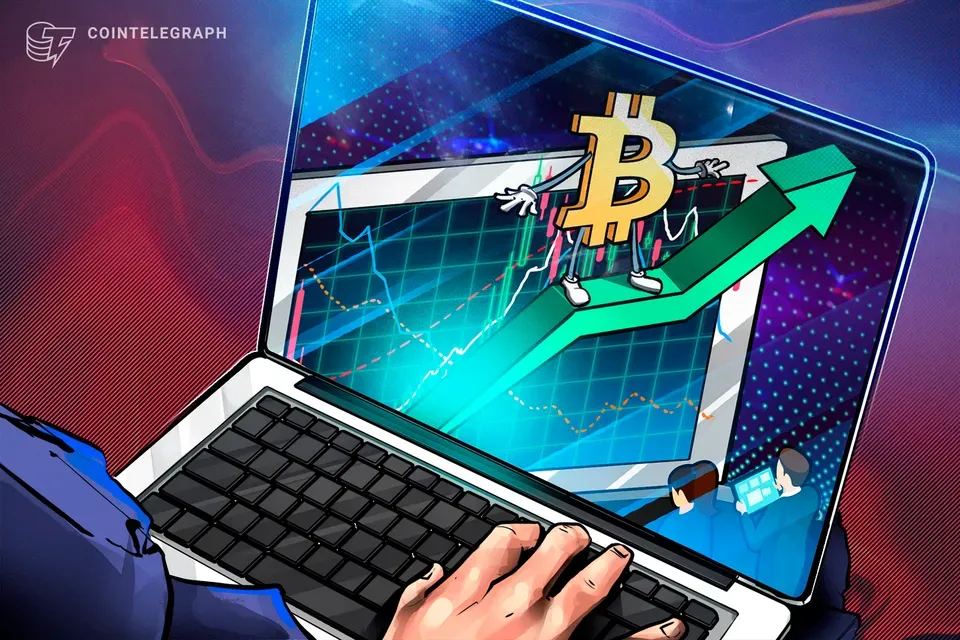
Are you wondering whether Bitcoin’s price swings make it a reliable way to store value or pay for everyday items? This article explains what volatility is, why it matters for a digital currency, and how the market could evolve to make Bitcoin behave more like traditional money.
What volatility really means
Volatility is a statistical measure of how much an asset’s price moves up or down over a given period. In plain terms, a highly volatile asset can change dramatically in a short amount of time, while a low‑volatility asset stays relatively stable. The most common way to calculate volatility is the standard deviation of daily returns, expressed as an annualized percentage.
When an asset is used as a store of value—something you keep to preserve purchasing power—high volatility is a risk because the amount you can buy with it may fluctuate wildly. When an asset is used as a medium of exchange—a tool for paying for goods and services—volatility can make sellers reluctant to accept it, fearing that the value will drop before they can convert it to a more stable currency.
Why Bitcoin is currently volatile
Bitcoin’s price is driven by a relatively small market compared with traditional assets like gold or fiat currencies. A few large trades, regulatory announcements, or shifts in investor sentiment can move the price by double‑digit percentages in a single day. Additionally, Bitcoin’s fixed supply of 21 million coins means there is no automatic mechanism to increase supply when demand spikes, which can amplify price swings.
Other factors that contribute to Bitcoin’s volatility include:
- Liquidity: Fewer buyers and sellers in the market can cause larger price gaps.
- Regulatory news: Changes in government policy can trigger rapid buying or selling.
- Market sentiment: Media coverage, social media trends, and macro‑economic events influence trader behavior.
Real‑world illustration
In an X post dated October 14 2026, Saifedean Ammous, author of “The Bitcoin Standard,” argued that Bitcoin already functions as money when held as a store of value and that its volatility will likely diminish as the asset matures. He contrasted his view with Professor Lawrence H. White’s claim that Bitcoin’s fixed supply makes it “too volatile” to serve as a reliable medium of exchange. Ammous’s confidence reflects a broader belief that as Bitcoin’s market cap grows and more participants use it for everyday transactions, price swings could shrink, making it less volatile than gold.
What this means for you as an online earner
If you earn crypto through mining, staking, or cloud rewards, volatility determines how much your earnings are worth when you convert them to fiat or spend them. High volatility can turn a modest reward into a sizable gain—or a loss—overnight. On the other hand, a less volatile Bitcoin would provide a more predictable income stream, reducing the need for constant conversion to stablecoins or fiat.
Understanding volatility also helps you decide whether to keep earnings in Bitcoin, move them to a lower‑volatility asset, or use a stablecoin as a bridge. Each choice carries trade‑offs between potential upside, risk, and transaction costs.
How to assess Bitcoin’s volatility before you commit
- Check historical volatility charts: Look at the 30‑day and 90‑day standard deviation values on sites like CryptoQuant or CoinMetrics.
- Compare to other assets: See how Bitcoin’s volatility stacks up against gold, the US dollar, or major stablecoins.
- Liquidity depth: Review order‑book depth on major exchanges; deeper books usually mean less price impact from your trades.
- Regulatory environment: Monitor news from major economies; sudden regulatory changes often trigger spikes.
- Portfolio diversification: Balance Bitcoin with assets that have lower volatility to smooth overall earnings.
FAQ
Is Bitcoin’s volatility likely to decrease over time?
Many analysts, including Ammous, believe that as Bitcoin’s market cap expands and its use for payments grows, price swings will narrow. Larger market depth and broader adoption typically reduce volatility, but external shocks can still cause temporary spikes.
Can I use Bitcoin for everyday purchases despite its volatility?
Yes, but most users convert a portion of their Bitcoin to a stablecoin or fiat at the point of sale to lock in value. Some merchants accept Bitcoin directly and absorb the risk, often using payment processors that instantly convert the payment to a stable currency.
Should I hold my mining rewards in Bitcoin or switch to a stablecoin?
It depends on your risk tolerance and cash‑flow needs. Holding Bitcoin offers upside if the price rises, but exposes you to downside risk. Converting to a stablecoin provides price stability, which can be useful for budgeting or paying bills.
How does Bitcoin’s fixed supply affect its volatility?
A fixed supply means there is no automatic increase in the number of coins when demand rises, which can amplify price movements. However, as the total market becomes larger, each individual trade has a smaller impact, which can naturally dampen volatility over time.
This article references reporting from cointelegraph.com.