
Are you wondering why Bitcoin’s market moves matter to someone who runs a mining rig or joins a cloud‑mining pool? This article explains how the price of Bitcoin influences mining rewards, costs, and overall profitability, so you can make more informed decisions about earning crypto.
What mining profitability really means
Mining profitability is the net amount you earn after covering all expenses associated with running a mining operation. The primary revenue source is the block reward, which currently consists of newly minted bitcoins plus any transaction fees included in the block. The main costs are electricity, hardware depreciation, and any fees charged by mining pools or cloud‑mining services.
The block reward is fixed by the protocol (currently 6.25 BTC per block, halving roughly every four years). Because the number of bitcoins you receive per block does not change with the market price, the dollar value of that reward swings directly with Bitcoin’s price. If the price rises, the same 6.25 BTC is worth more dollars, boosting profitability. If the price falls, the dollar value drops, and the operation may become unprofitable unless costs are reduced.
Real‑world illustration
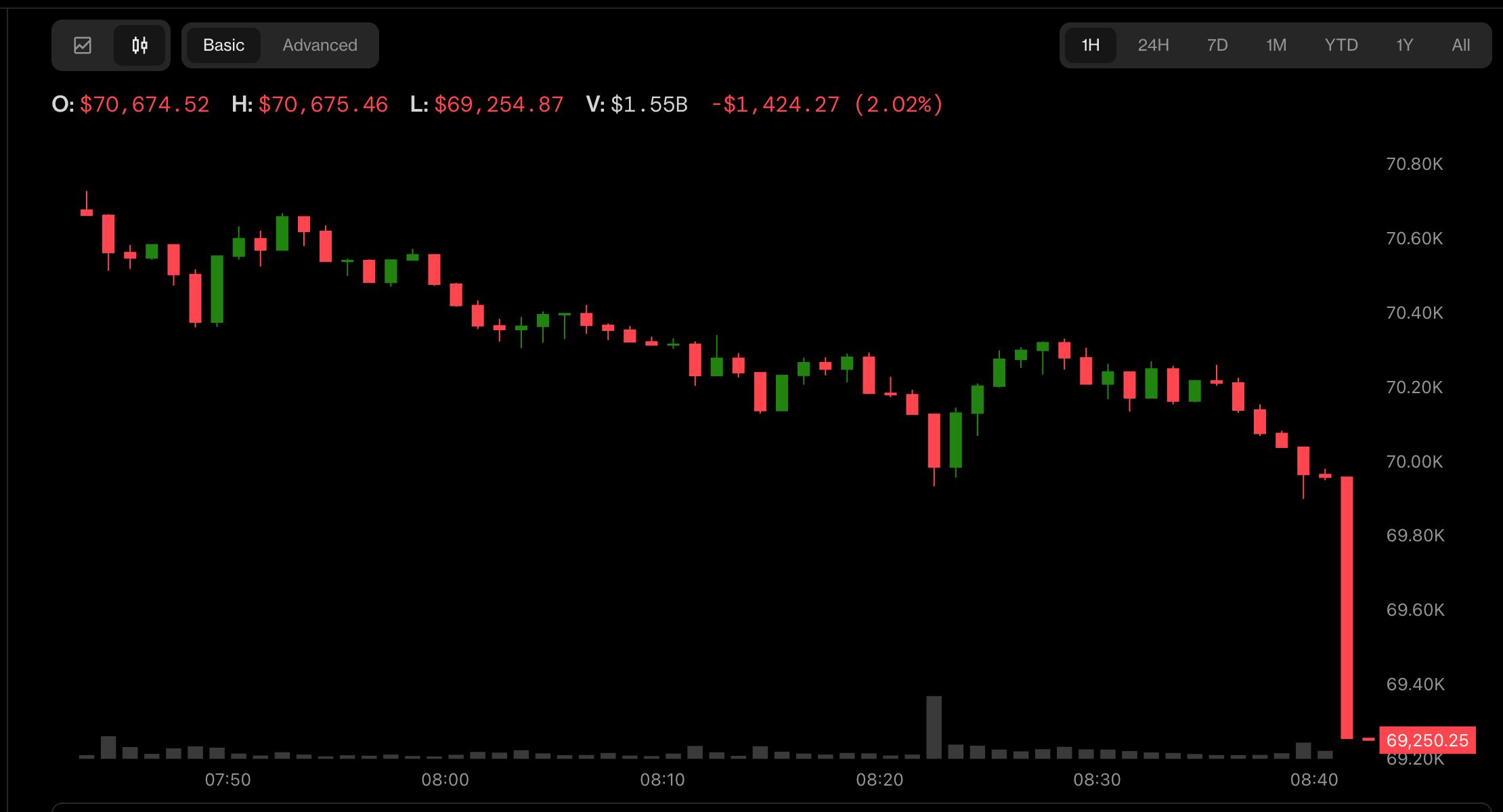
In March 2026, Bitcoin slipped below the $70,000 mark while the U.S. Dollar Index reached a 19‑month high. The dip pushed Bitcoin’s market value lower and triggered large liquidations in the futures market. For miners, the lower price meant that the same block reward generated fewer dollars, squeezing margins for those whose electricity costs were close to the break‑even point.
What this means for you
If you are considering a mining rig at home, joining a pool like EcoPool, or investing in a cloud‑mining contract, you need to understand that your earnings will fluctuate with Bitcoin’s price. A price drop can turn a marginally profitable setup into a loss‑making one overnight. Conversely, a price surge can make a previously unprofitable operation suddenly viable.
Because the block reward is predictable, the variable you cannot control is the market price. Therefore, budgeting for mining should always assume a range of price scenarios rather than a single forecast.
How to evaluate profitability before you start
- Calculate break‑even electricity cost. Use online calculators that input your hash rate, power consumption, and local electricity price. The result tells you the Bitcoin price needed to cover electricity alone.
- Factor in hardware depreciation. Mining equipment loses performance over time and becomes obsolete after a few years. Spread the purchase price over its expected lifespan to estimate a monthly cost.
- Consider pool fees. Mining pools typically charge 1‑2 % of your earnings. Include this when estimating net returns.
- Run a price‑scenario analysis. Model profitability at several price points (e.g., $50k, $70k, $100k). This helps you see how sensitive your earnings are to market swings.
- Watch the broader macro environment. Factors such as the Dollar Index, interest rates, and regulatory news can influence Bitcoin’s price and, indirectly, mining returns.
FAQ
What is the “break‑even” price for mining?
The break‑even price is the Bitcoin price at which revenue from the block reward and transaction fees exactly matches your ongoing costs (electricity, hardware depreciation, and pool fees). Below this price, you lose money; above it, you profit.
Do transaction fees matter for profitability?
Yes, but they are a smaller component compared to the block reward. In periods of high network activity, fees can add a noticeable boost to earnings, but they are also volatile.
Can I rely on cloud‑mining contracts to avoid price risk?
Cloud contracts lock in a hash rate for a set period, but they still pay out in Bitcoin. If the price falls dramatically, the dollar value of your payouts may be lower than the contract cost, so price risk remains.
How often does the block reward change?
The block reward halves roughly every 210,000 blocks, or about every four years. The most recent halving occurred in May 2024, reducing the reward from 12.5 BTC to 6.25 BTC per block. This cuts the number of new bitcoins entering the market, which can affect price dynamics and long‑term profitability.
This article references reporting from coindesk.com.





