
Are you wondering why Bitcoin’s price jumps and dips, and how those swings affect your ability to earn from mining? This article explains the key factors that drive Bitcoin’s market price and shows how they translate into mining profitability for everyday participants.
The basics: What determines Bitcoin’s price?
Bitcoin’s price is set by supply and demand on global exchanges. Supply is relatively fixed: the protocol caps the total number of bitcoins at 21 million, and new coins are released at a predictable rate through mining rewards. Demand fluctuates based on a mix of factors such as investor sentiment, macro‑economic news, regulatory developments, and the perceived usefulness of Bitcoin as a store of value or payment method.
Because the supply side is largely inelastic in the short term, price changes are driven primarily by demand shifts. When more people want to buy Bitcoin than sell it, the price climbs; when sellers outnumber buyers, the price falls. These dynamics are amplified by the fact that Bitcoin trades 24/7 on dozens of exchanges, allowing sentiment to move quickly.
Several specific drivers are worth noting:
- Market sentiment and media coverage: Positive news (e.g., institutional adoption) can spark buying, while negative headlines (e.g., regulatory crackdowns) can trigger sell‑offs.
- Macro‑economic conditions: Inflation fears, interest‑rate changes, or currency devaluations often push investors toward Bitcoin as a hedge.
- Liquidity and exchange activity: Large trades on major exchanges can create short‑term price spikes or drops, especially when order books are thin.
- Technical factors: Traders use chart patterns, moving averages, and other technical indicators that can generate self‑fulfilling price movements.
How price swings affect mining profitability
Mining profitability is the difference between the revenue a miner earns and the costs of running the hardware. Revenue comes from two sources: the block reward (newly minted bitcoins) and transaction fees paid by users. Both are priced in Bitcoin, so the value of those earnings in fiat currency depends directly on Bitcoin’s market price.
When Bitcoin’s price rises, each mined coin is worth more in dollars, euros, or any other fiat, boosting a miner’s revenue. Conversely, a price drop reduces the fiat value of the same amount of Bitcoin, potentially turning a profitable operation into a loss if costs (electricity, hardware depreciation, cooling) stay the same.
Because mining hardware consumes a fixed amount of electricity regardless of price, miners watch the break‑even price – the Bitcoin price at which revenue equals operating costs. If the market price stays above this threshold, mining remains profitable; if it falls below, miners may shut down equipment, sell at a loss, or wait for a price recovery.
Real‑world illustration
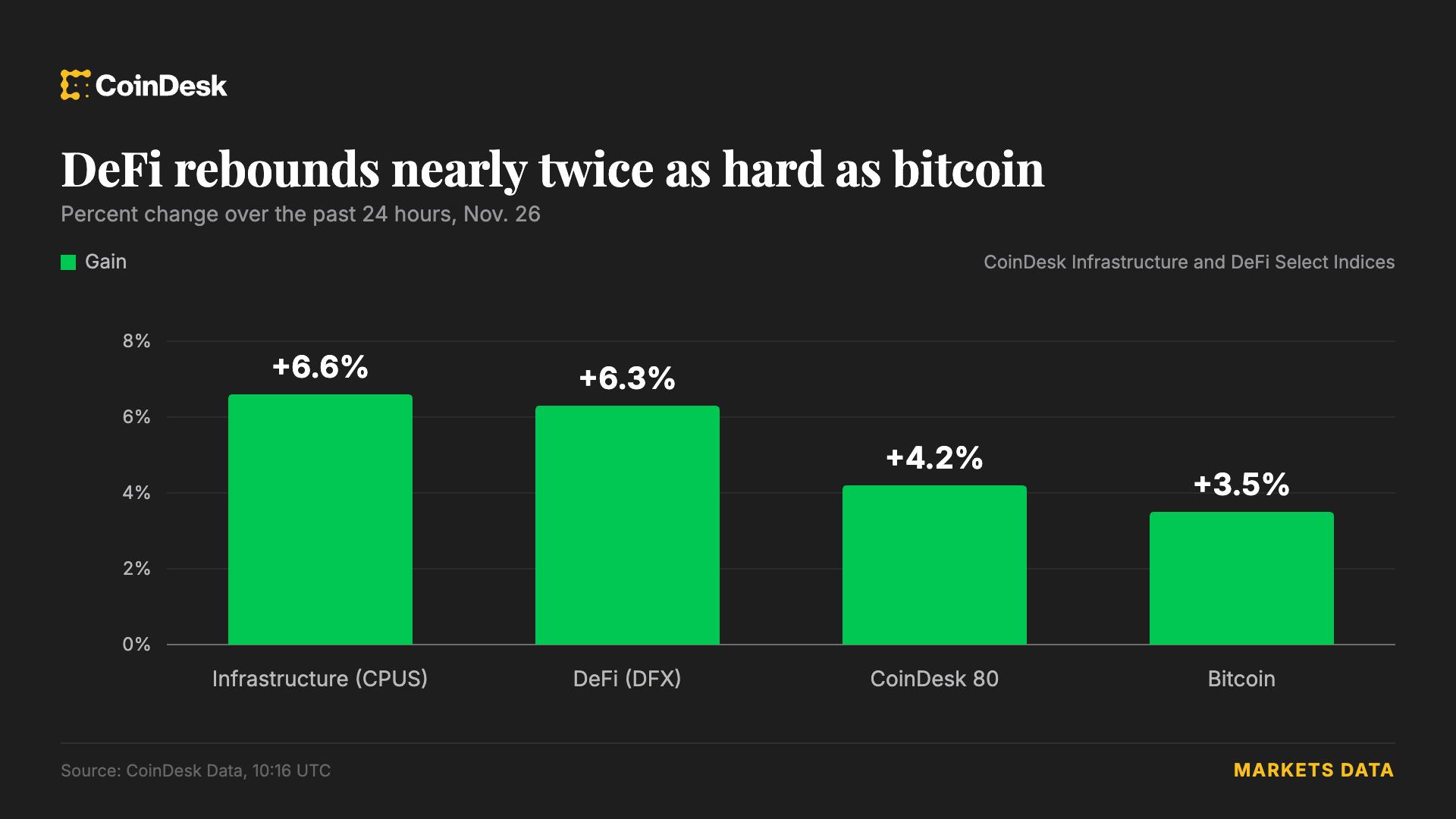
In November 2023, Bitcoin held near $60,800 after rebounding from a low of $57,500 earlier that week. During the same period, DeFi and infrastructure tokens posted gains almost twice as large as Bitcoin’s modest move. This example shows how Bitcoin can experience relatively small price changes while other crypto assets swing more dramatically, a pattern that often reflects differing levels of speculative interest and market depth.
What this means for you as a small miner
If you run a home‑based or cloud‑based mining setup, Bitcoin’s price directly influences the cash flow you see in your wallet. A modest bounce from $57,500 to $60,800 translates to roughly a 5‑6 % increase in fiat revenue for the same amount of mined Bitcoin. While that may seem small, it can be the difference between covering your electricity bill or not.
Because price movements are unpredictable, many small miners focus on reducing variable costs (e.g., using renewable energy, locating hardware in low‑cost regions) and diversifying income streams. Some platforms, such as EcoPool, allow miners to switch between mining Bitcoin and other proof‑of‑work coins, helping smooth earnings when Bitcoin’s price is flat.
What to check before you start or expand mining
- Break‑even analysis: Calculate the Bitcoin price at which your electricity cost, hardware depreciation, and any pool fees are covered. Online calculators can help you plug in hash rate, power draw, and local electricity rates.
- Energy source and cost: Renewable or off‑peak electricity can lower your break‑even price dramatically.
- Hardware efficiency: Newer ASIC models deliver more hashes per watt, improving profitability even when prices dip.
- Pool fees and payout structure: Pools charge a percentage of rewards; lower fees increase net earnings.
- Market outlook: While you can’t predict price, monitoring macro trends and sentiment can inform decisions about scaling up or pausing operations.
FAQ
Why does Bitcoin’s price sometimes move less than other tokens?
Bitcoin has the deepest liquidity and the largest market cap among cryptocurrencies, so large trades have a smaller relative impact. Smaller tokens often have thinner order books, making them more prone to sharp swings.
Can I still earn a profit if Bitcoin’s price stays flat?
Yes, if your operating costs are low enough. Efficient hardware, cheap electricity, and low pool fees can keep you above the break‑even point even when the market price is stable.
How often should I recalculate my break‑even price?
At least quarterly, or whenever you notice a change in electricity rates, hardware performance, or pool fees. Major market moves are also a good trigger to revisit the numbers.
Is it safer to mine a different coin when Bitcoin’s price drops?
Some miners switch to alternative proof‑of‑work coins that may be more profitable at a given time. However, each coin has its own volatility and reward structure, so evaluate the break‑even price for the new coin before switching.
This article references reporting from coindesk.com.





