Ever wonder why Bitcoin’s price can swing dramatically and how those moves affect anyone trying to earn crypto online? This article breaks down the key forces behind Bitcoin’s price changes and shows you what to watch if you’re looking for passive income opportunities.
What drives Bitcoin’s price?
Bitcoin is a decentralized digital asset, meaning no single entity controls its supply or price. Instead, its market price is set by the balance of supply and demand on exchanges worldwide. Several factors influence that balance:
- Macro‑economic signals. Central bank policies, inflation data, and interest‑rate outlooks affect how investors view risk. When traditional finance signals higher rates or tighter money, risk‑on assets like Bitcoin can lose appeal, and vice‑versa.
- Regulatory news. Announcements from governments or regulators—such as bans, licensing requirements, or tax guidance—can either scare investors away or boost confidence.
- Market sentiment. Media coverage, social‑media trends, and the actions of large holders (often called “whales”) can create herd behavior, pushing prices up or down quickly.
- Technical factors. Bitcoin’s fixed supply of 21 million coins means new supply is predictable. The rate at which new coins are created (the block reward) halves roughly every four years, a process called “halving.” This scarcity can support higher prices if demand stays strong.
- Institutional participation. When banks, hedge funds, or publicly listed companies buy or sell Bitcoin, the sheer volume of capital can move the market.
All of these elements interact in real time, creating the price volatility that Bitcoin is known for. Understanding the mix helps you anticipate how price shifts might impact any earnings strategy you’re using.
Real‑world illustration
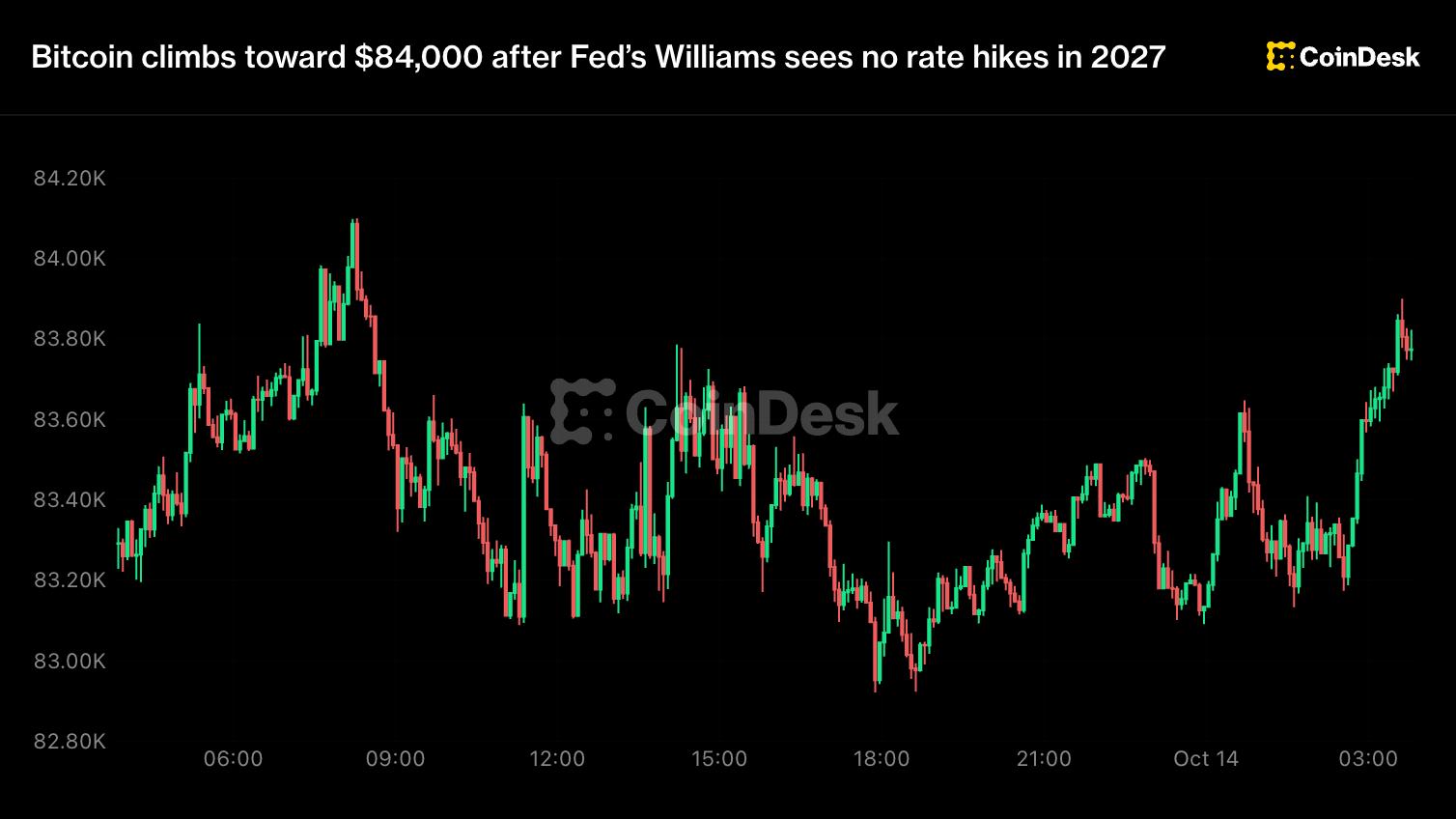
In March 2026, Bitcoin climbed toward the $84,000 level after Federal Reserve Governor Christopher Williams indicated that the U.S. would likely see no rate hikes through 2027. The comment signaled a more accommodative monetary environment, which tends to lower the “risk‑free” rate and make higher‑risk assets like Bitcoin more attractive. The price reaction was a direct example of macro‑economic signals influencing demand.
What it means for you
If you earn crypto through mining, staking, or cloud‑based reward platforms, Bitcoin’s price directly affects the value of any payouts you receive. A higher price means your earnings are worth more in fiat terms, while a dip reduces that value. Moreover, price swings can affect the profitability of mining operations because electricity costs are fixed in fiat, but the revenue you earn is tied to Bitcoin’s market price.
For passive‑income seekers using services like EcoPool, the platform’s reward calculations often factor in the current Bitcoin price. When the price rises, the dollar‑denominated return on your mining share improves, and the opposite occurs when the price falls.
How to evaluate a Bitcoin‑related earning opportunity
- Check the fee structure. High fees can erode earnings, especially when Bitcoin’s price is volatile.
- Assess the energy source. Mining that relies on renewable energy reduces exposure to regulatory risk and aligns with green‑crypto trends.
- Look at the payout model. Fixed‑percentage payouts are less sensitive to price swings than “pay‑per‑block” models that depend on the current Bitcoin value.
- Monitor macro‑economic news. Central‑bank statements, inflation reports, and major fiscal policies can shift Bitcoin’s price quickly.
- Verify security measures. Ensure the platform uses cold storage, multi‑signature wallets, and regular audits to protect your earnings.
FAQ
Why does Bitcoin sometimes move opposite to the stock market?
Bitcoin is often seen as a “digital gold” hedge. When investors fear inflation or currency devaluation, they may buy Bitcoin, pushing its price up even if equities are falling.
Can I earn a stable income from Bitcoin despite its price swings?
Stable income is possible through staking or cloud‑mining contracts that lock in a fixed reward rate. However, the fiat value of that reward will still fluctuate with Bitcoin’s price.
Do interest‑rate changes really affect Bitcoin?
Yes. Lower interest rates reduce the return on traditional savings, making higher‑risk assets like Bitcoin relatively more attractive, which can lift demand and price.
Is mining still profitable if Bitcoin’s price drops?
Profitability depends on the gap between electricity costs (in fiat) and the revenue earned per mined Bitcoin. A significant price drop can turn a profitable operation into a loss unless the miner reduces costs or benefits from lower energy prices.
This article references reporting from coindesk.com.