Are you wondering why Bitcoin’s price seems to swing wildly and how those swings affect your ability to earn from crypto? This article explains the key forces that drive Bitcoin’s price, what those movements mean for miners and earners, and how you can assess the risk before getting involved.
What determines Bitcoin’s price?
Bitcoin’s price is set by supply and demand on exchanges, but several deeper factors influence those forces. Supply is relatively fixed: the protocol caps the total number of bitcoins at 21 million, and new coins are released at a predictable rate through mining—the process of validating transactions and adding them to the blockchain. Demand comes from a mix of retail investors, institutional players, traders, and users who need Bitcoin for payments or as a store of value.
Key drivers of demand include:
- Market sentiment: News about regulation, adoption, or macro‑economic events can shift how investors feel about Bitcoin, prompting buying or selling.
- Technical analysis: Traders watch price patterns, moving averages, and Fibonacci levels (like the 161.8% extension mentioned by analysts) to predict short‑term moves.
- Macro factors: Changes in interest rates, bond yields, or commodity prices (e.g., oil) affect how investors allocate capital between traditional assets and Bitcoin.
- Liquidity events: Large buy or sell orders, exchange listings, or the expiry of major options contracts (such as the Deribit expiry mentioned for a $85,000 strike) can cause short‑term spikes or dips.
Supply‑side dynamics also matter. The halving event, which reduces the block reward roughly every four years, tightens new Bitcoin issuance and can create upward pressure on price if demand stays steady.
Real‑world illustration
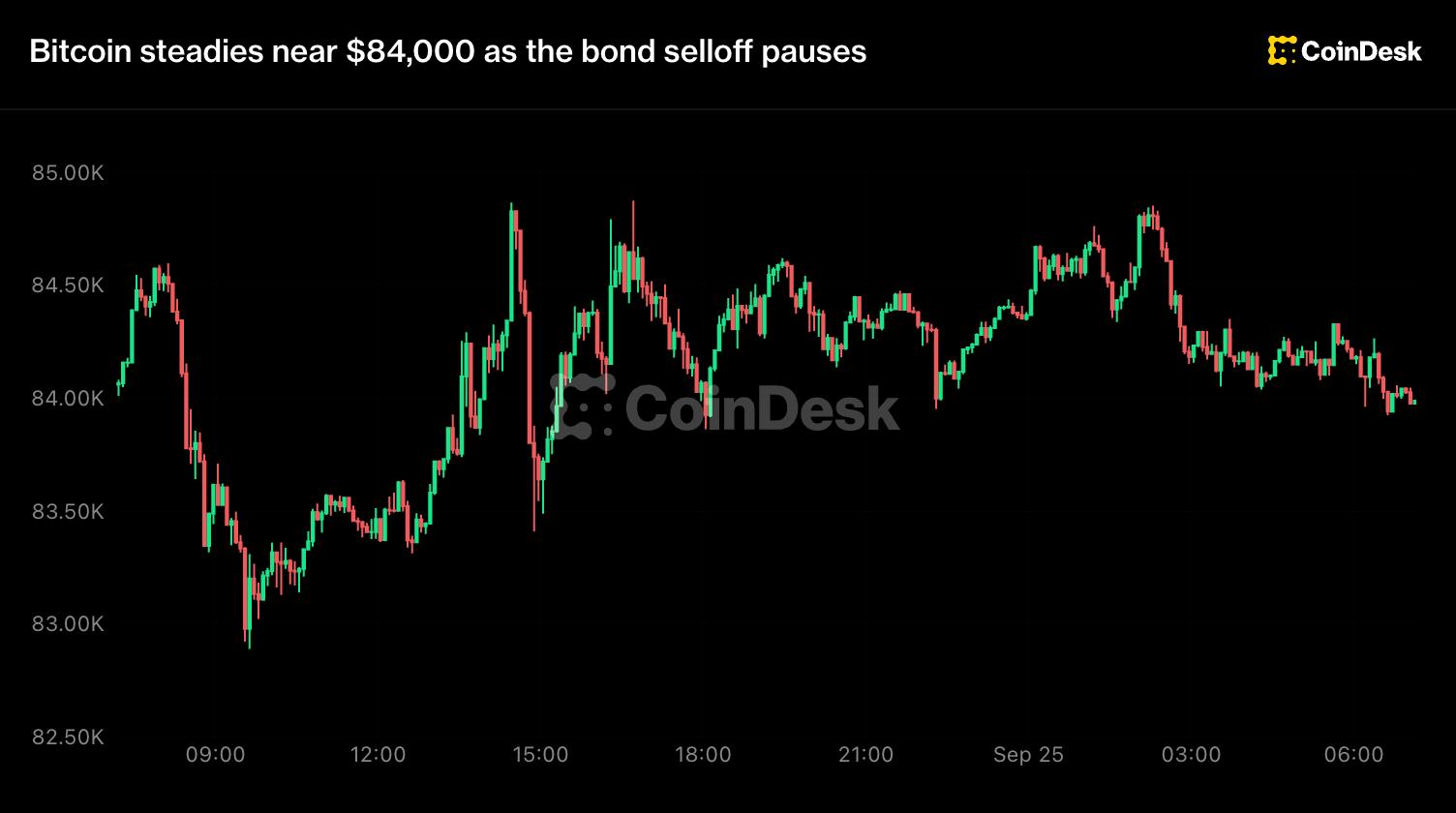
In early March 2026, Bitcoin traded just above $84,000 after a brief dip below that level. Analysts noted that the price pause coincided with a slight retreat in U.S. 10‑year Treasury yields and a modest decline in oil prices, both of which can shift investor appetite between risk‑on assets (like stocks) and risk‑off assets (like bonds). The market also faced the upcoming expiry of a large block of $85,000 call options on Deribit, a factor that can intensify short‑term trading activity.
What this means for you as an earner
If you earn Bitcoin through mining, staking, or cloud‑based reward platforms, price movements directly affect the fiat value of your earnings. A higher Bitcoin price means your mined coins are worth more in dollars, euros, or other currencies, improving your passive income stream. Conversely, a price dip reduces that fiat value, even though the amount of Bitcoin you receive stays the same.
For traders who aim to profit from price swings, volatility creates opportunities but also risk. Short‑term price corrections—like the dip toward $70,000 that some analysts warned could hurt speculators—can trigger margin calls or force you to sell at a loss if you’re not prepared.
How to evaluate a Bitcoin‑earning opportunity
- Check the revenue model: Understand whether earnings come from block rewards, transaction fees, or a platform’s own token incentives. Transparent models are less likely to hide hidden costs.
- Assess the price risk: Look at Bitcoin’s recent volatility (standard deviation over 30 days) and decide if you can tolerate swings in fiat value.
- Consider the cost structure: For miners, electricity rates and hardware efficiency are critical. For cloud platforms, compare the fee schedule and any performance guarantees.
- Review the platform’s security: Ensure the service uses reputable custodial practices, multi‑factor authentication, and regular audits.
- Monitor macro indicators: Keep an eye on bond yields, inflation data, and major geopolitical events, as they often precede shifts in Bitcoin demand.
FAQ
Why does Bitcoin sometimes drop even when overall market sentiment is positive?
Short‑term price drops can result from technical factors, such as hitting a resistance level or the expiry of large options contracts, which trigger traders to take profits regardless of broader bullish sentiment.
Can I rely on mining rewards to provide stable income?
Mining rewards are stable in Bitcoin units, but their fiat value fluctuates with the market price. To achieve relative stability, many miners hedge by converting a portion of their earnings to stablecoins or fiat.
Is it safer to earn Bitcoin through staking rather than mining?
Staking typically involves proof‑of‑stake (PoS) networks, not Bitcoin, which uses proof‑of‑work (PoW). Staking can offer more predictable returns in the native token, but it also carries smart‑contract risk. Mining’s main risk is operational cost and price volatility.
How do bond yields affect Bitcoin’s price?
When bond yields rise, traditional fixed‑income investments become more attractive, pulling capital away from riskier assets like Bitcoin. Conversely, falling yields can make investors look for higher‑return alternatives, supporting Bitcoin demand.
This article references reporting from coindesk.com.