Are you curious why traditional bond markets are suddenly talking about “same‑day settlement” and distributed ledgers? This article explains how blockchain technology works for bond issuance, what benefits it brings, and what you should consider if you want to invest in digital bonds.
What a blockchain‑based bond actually is
A bond is a debt instrument: an issuer borrows money from investors and promises to pay back the principal plus interest on a set schedule. In a conventional market, the whole process—creating the bond, registering it, allocating it to investors, and finally settling the payment—relies on multiple intermediaries such as custodians, clearing houses, and settlement agents. Each step adds time, paperwork, and fees.
When a bond is issued on a blockchain, the same information is recorded on a distributed ledger. A distributed ledger is a database that is shared across many computers (nodes) and secured by cryptographic techniques. Because every node holds a copy of the data, participants can verify the bond’s existence and ownership without needing a central authority.
Key components of a blockchain bond:
- Smart contract: a self‑executing code that defines the bond’s terms (coupon rate, maturity, payment dates) and automatically enforces them.
- Tokenisation: the bond is represented by a digital token that can be transferred between wallets, just like a cryptocurrency, but each token is backed by the legal claim to the underlying debt.
- Settlement layer: the blockchain records the transfer of tokens and the corresponding cash movement, enabling near‑instant settlement.
Because the ledger is immutable, once a bond is issued its details cannot be altered without consensus, reducing the risk of fraud or clerical errors. Moreover, the same ledger can be linked to existing market infrastructures, allowing investors to use familiar trading accounts while benefiting from faster processing.
Real‑world illustration: Hana Bank’s $100 million digital bond
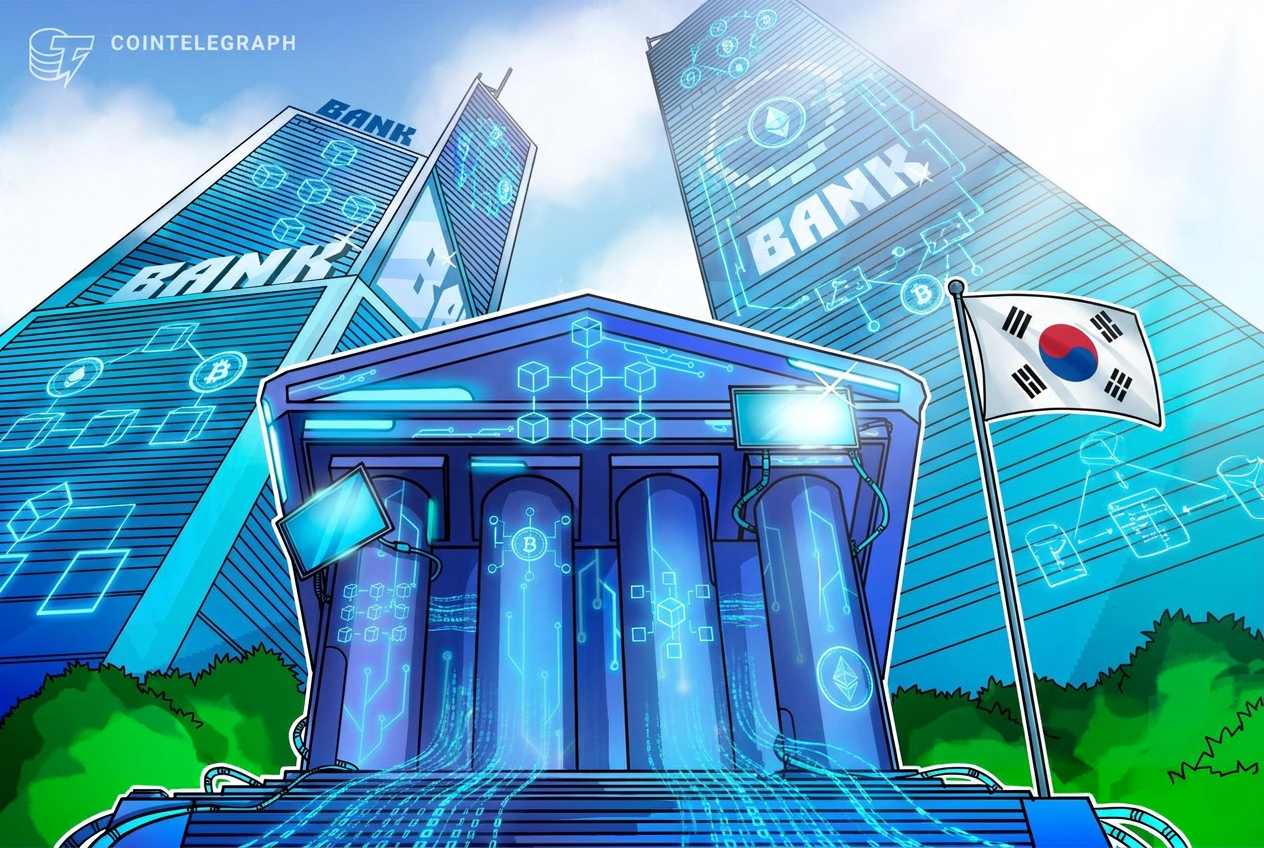
In September 2026, South Korea’s Hana Bank issued a five‑year, $100 million foreign‑currency bond using Euroclear’s blockchain‑based Digital Financial Market Infrastructure. The entire lifecycle—issuance, registration, and settlement—was handled on a distributed ledger network. According to the report, the blockchain platform compressed the settlement window from the traditional three‑to‑five business days down to the same day.
The bond also remained connected to Euroclear’s global settlement network, meaning investors could trade it through their existing accounts and trading systems without learning a new platform. This example shows how a major financial institution can adopt blockchain without abandoning the familiar market infrastructure.
What this means for you as a small investor
Faster settlement reduces the time your cash is tied up, which can improve liquidity and lower the opportunity cost of holding a bond. In addition, the transparent ledger can lower custodial fees because fewer middlemen are needed to verify ownership. For investors who value sustainability, many digital bond projects are tied to green financing, aligning with the growing demand for ESG (environmental, social, governance) investments.
However, digital bonds are still subject to the same credit risk as traditional bonds: if the issuer defaults, you could lose your principal. The novelty of the technology also means that regulatory frameworks are evolving, and not all jurisdictions treat tokenised securities the same way as paper securities.
How to evaluate a blockchain bond before you invest
- Issuer credibility: Check the issuer’s credit rating and financial health just as you would for any bond.
- Legal framework: Ensure the tokenised bond is recognised under the relevant securities laws and that you have clear legal recourse.
- Platform security: Research the blockchain provider (e.g., Euroclear’s Digital Financial Market Infrastructure) for audit reports, network uptime, and past security incidents.
- Settlement process: Verify whether the bond settles on‑chain (same‑day) or still requires a post‑trade clearing step, as this affects cash flow timing.
- Fees: Compare the total cost—including issuance fees, custody fees, and any network transaction fees—to traditional bond costs.
FAQ
Is a tokenised bond the same as a regular bond?
Yes, the economic rights are the same—principal repayment and interest—but the ownership record is stored on a blockchain instead of a paper ledger.
Can I buy a blockchain bond through my regular brokerage?
Many platforms, like Euroclear’s service, integrate with existing brokerage accounts, allowing you to trade digital bonds without opening a new wallet. Always confirm with your broker that they support the specific tokenised security.
Do blockchain bonds carry extra risk?
Beyond the issuer’s credit risk, there is technology risk: potential bugs in smart contracts, network outages, or regulatory changes. Conduct due diligence on the underlying platform and consider diversifying your holdings.
Will settlement always be same‑day in the future?
Same‑day settlement is possible because the blockchain records transfers instantly, but final cash movement may still depend on banking processes. Expect settlement times to continue shrinking as more banks adopt integrated on‑chain solutions.
This article references reporting from cointelegraph.com.