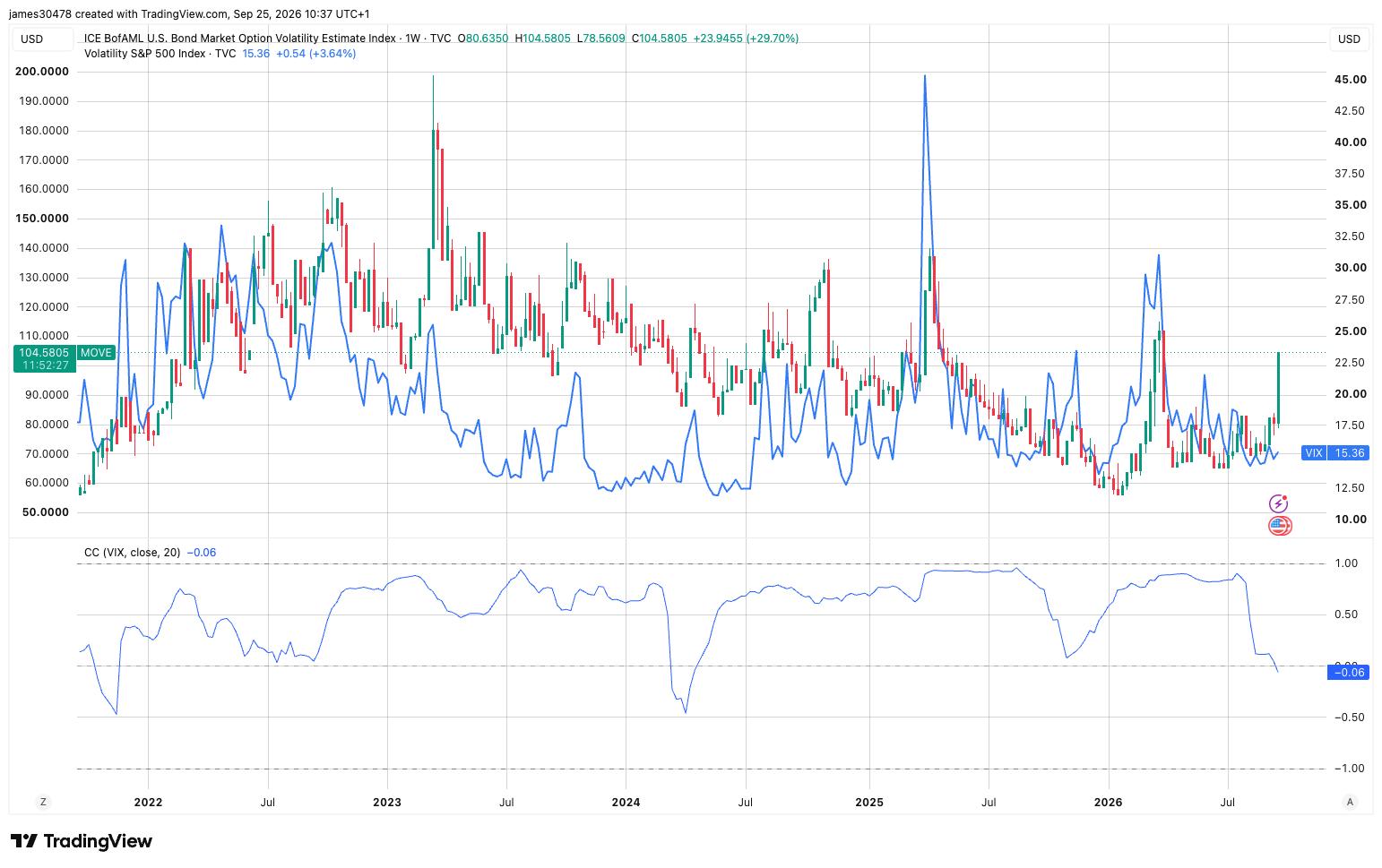
Are you wondering why sudden swings in the bond market seem to echo in the crypto world? This article explains what bond volatility is, how it works, and why it matters for anyone trying to earn passive income from digital assets.
What bond volatility actually is
A bond is a loan that investors give to governments or corporations in exchange for regular interest payments, called coupon payments, and the return of the principal at maturity. Bond volatility measures how much the price of a bond fluctuates over time. Prices move inversely to yields: when yields rise, bond prices fall, and vice‑versa. Volatility can be driven by changes in interest‑rate expectations, inflation data, fiscal policy, or shifts in investor risk appetite.
Because bonds are a core component of many institutional portfolios, large‑scale buying or selling can ripple through other asset classes. When investors become nervous about bonds, they may shift money into or out of riskier assets such as stocks or cryptocurrencies, creating price movements that affect earnings from staking, mining, or cloud‑based reward programs.
How bond volatility influences crypto earnings
Crypto earnings come from three main sources: staking rewards (earning a share of transaction fees for helping secure a proof‑of‑stake network), mining profits (receiving newly minted coins and fees for validating transactions), and interest‑bearing cloud rewards (platforms that lend your holdings to earn a yield). All three depend, to varying degrees, on the broader financial environment.
- Risk sentiment: When bond markets are volatile, investors reassess the risk premium they demand for holding assets. A spike in bond yields often signals higher expected inflation or tighter monetary policy, which can make high‑yield crypto products more attractive, boosting demand and potentially raising staking or cloud‑reward rates.
- Liquidity flows: Institutional funds allocate a portion of their capital to crypto as part of a diversified strategy. If bonds become less appealing due to volatility, those funds may reallocate to crypto, increasing the pool of assets that can be staked or lent, which may improve reward distribution for participants.
- Funding costs: Mining operations often finance equipment with debt. Higher bond yields raise the cost of borrowing, squeezing miners’ profit margins. When miners’ profitability drops, they may reduce hash power, which can affect network security and the overall reward structure.
Real‑world illustration
In March 2026, bond volatility surged while Bitcoin and Wall Street remained relatively calm. Despite the turmoil in the fixed‑income market, Bitcoin held near $84,000 and continued to consolidate. This example shows that even when traditional markets experience sharp swings, crypto can maintain stability, but the underlying dynamics—such as shifts in institutional allocation and mining cost pressures—still influence the earnings landscape for participants.
What this means for you
If you earn passive income from crypto, keep an eye on bond market conditions. A rise in bond yields could signal a forthcoming increase in crypto staking or lending rates as investors chase higher returns. Conversely, if mining is a part of your strategy, higher borrowing costs may erode profit margins, prompting you to reassess equipment financing or consider more energy‑efficient hardware.
Understanding the link helps you anticipate changes in reward rates, adjust your portfolio allocation, and avoid being caught off‑guard by sudden shifts in profitability.
How to evaluate the impact
- Track bond yields: Monitor the 10‑year U.S. Treasury yield and major corporate bond indices. A sustained upward trend often precedes higher crypto yields.
- Watch institutional flow reports: Look for data on crypto fund inflows/outflows. Large reallocations from bonds to crypto can boost staking pools.
- Assess mining cost structures: If you run mining hardware, calculate your financing costs against current bond rates. Higher rates may require a pause in expansion or a switch to lower‑interest financing.
- Review platform reward updates: Platforms that offer cloud rewards or staking often adjust rates in response to market conditions. Stay informed about any announced changes.
FAQ
Why do bond yields affect crypto staking rewards?
Staking rewards are partly determined by the amount of capital locked in a network. When bond yields rise, investors look for alternative high‑yield assets, increasing the amount of crypto staked and potentially raising the reward rate to attract more participants.
Should I sell my crypto if bond volatility spikes?
Not necessarily. Volatility alone doesn’t dictate price direction. Consider your earnings strategy: if you rely on staking or lending, higher yields may offset market turbulence. Evaluate your risk tolerance and the specific crypto’s fundamentals before making a decision.
How can I protect my mining operation from rising bond rates?
Lock in fixed‑rate financing when bond yields are low, use energy‑efficient hardware, and diversify revenue streams (e.g., combine mining with staking where possible) to mitigate the impact of higher borrowing costs.
Do all crypto assets react the same way to bond market changes?
No. Proof‑of‑stake coins that rely heavily on staking rewards tend to see more direct effects, while proof‑of‑work assets are more sensitive to mining costs. Stablecoins and assets tied to traditional finance may also react differently based on regulatory and liquidity factors.
This article references reporting from coindesk.com.