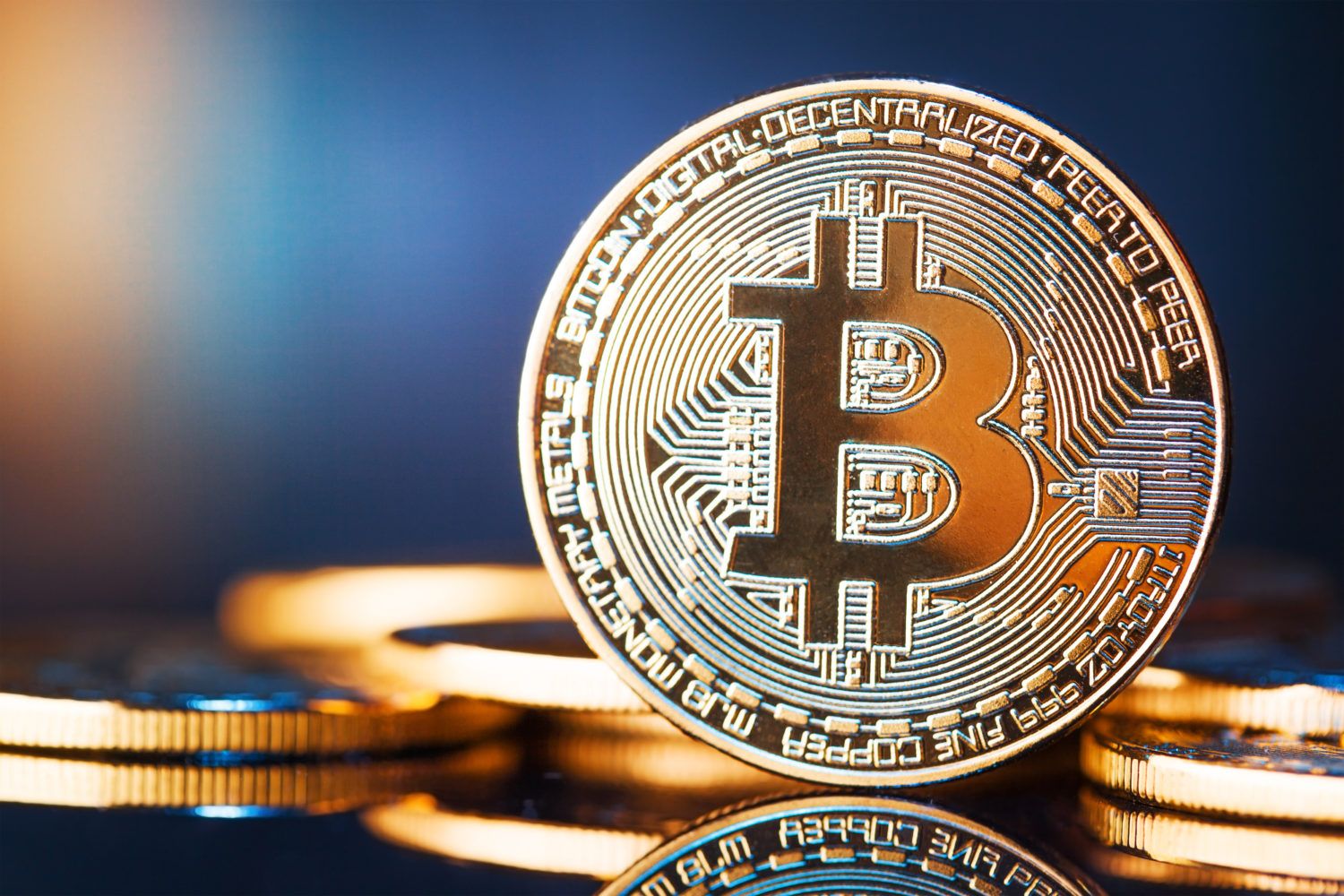
Ever wonder how you can use Bitcoin, stablecoins, or other digital assets to place bets on future events? This article explains the mechanics behind crypto deposits on prediction market platforms, what you need to know before you start, and how to evaluate whether a service is right for you.
What a crypto deposit actually is
A crypto deposit is the act of sending digital assets from your personal wallet to a platform’s custodial account so you can use those funds for trading, betting, or other activities. When you initiate a deposit, you create a transaction on the underlying blockchain (such as Ethereum or Bitcoin) that moves the specified amount from your address to the address controlled by the platform.
Key terms you’ll encounter:
- Wallet address: a string of characters that uniquely identifies where crypto is stored on a blockchain.
- Custodial wallet: an account managed by the platform on your behalf. You do not hold the private keys, so the platform is responsible for security.
- Stablecoin: a cryptocurrency designed to maintain a stable value, usually pegged to a fiat currency like the US dollar. Examples include USDC and USDT.
- On‑ramp: a service that lets you convert fiat money (like dollars) into crypto.
- Off‑ramp: a service that lets you convert crypto back into fiat.
When a platform supports crypto deposits, it typically integrates an infrastructure provider that handles the technical steps: generating a deposit address, monitoring the blockchain for incoming funds, and crediting the user’s account once the transaction reaches a certain number of confirmations (a confirmation is a new block added to the chain after your transaction, confirming it’s valid).
How the process works, step by step
- Select a supported asset: The platform lists which cryptocurrencies or stablecoins you can deposit. Not every coin is accepted; common choices are Bitcoin (BTC), Ethereum (ETH), and major stablecoins.
- Generate a deposit address: Within the app, you click “Deposit” and receive a unique address (or QR code) for the chosen asset.
- Send the funds: From your personal wallet, you paste the address and specify the amount. The transaction is broadcast to the network.
- Network confirmations: The blockchain records the transaction. Most platforms wait for 1–6 confirmations, depending on the asset, to protect against double‑spending attacks.
- Credit to your account: Once the required confirmations are reached, the platform’s system credits the deposited amount to your internal balance, ready for use in prediction markets.
- Use the balance: You can now place positions, buy contracts, or provide liquidity, depending on the platform’s features.
Real‑world illustration: Underdog’s new crypto funding option
In October 2026, prediction‑market operator Underdog announced a partnership with infrastructure provider zerohash to enable cryptocurrency and stablecoin deposits directly through its mobile app. The service, slated to launch later that year, will let eligible users fund their accounts “around the clock” without having to manage wallet addresses or select blockchain networks. While Underdog did not disclose which assets will be supported, the announcement highlights a growing trend: platforms are simplifying the user experience by handling address generation and network selection behind the scenes.
What this means for you
Crypto deposits give you several advantages over traditional payment methods:
- Speed: Once the required confirmations are met, funds appear instantly in your account, often faster than bank transfers.
- Global access: Anyone with a compatible wallet can fund an account, regardless of location or banking infrastructure.
- Privacy: Deposits can be made without sharing personal banking details, though platforms still need to comply with Know‑Your‑Customer (KYC) regulations.
- Potential earnings: By using stablecoins, you can avoid fiat conversion fees and keep the full value of your deposit for trading.
However, there are risks. Because the platform holds the private keys to the custodial wallet, you are trusting its security measures. If the platform is hacked or experiences an internal failure, your deposited assets could be at risk. Additionally, network congestion can delay confirmations, temporarily locking your funds.
How to evaluate a crypto‑deposit feature
Before you start depositing, run through this short checklist:
- Supported assets: Verify that the platform accepts the crypto you already own or plan to acquire.
- Confirmation policy: Look for the number of confirmations required. Fewer confirmations mean faster access but potentially higher risk of reversal.
- Security reputation: Research the platform’s security history, any past breaches, and whether it employs third‑party custodians or insurance.
- Fees: Check both the network fee (paid to miners or validators) and any platform‑imposed deposit fee.
- Regulatory compliance: Ensure the platform follows KYC/AML rules in your jurisdiction; otherwise, you may face account freezes.
- Withdrawal process: Understand how long it takes to move funds back to your personal wallet and any limits that apply.
FAQ
Do I need a separate wallet for each asset?
No. Most modern wallets support multiple assets within a single app. You only need to ensure the wallet you use can send the specific cryptocurrency or stablecoin the platform accepts.
What happens if the blockchain is congested?
During high traffic periods, transaction fees may rise and confirmations can take longer. Your deposit will remain pending until the network confirms it, which could delay your ability to trade.
Is it safe to keep large amounts of crypto on a prediction market platform?
Holding large balances on any custodial service carries risk. Consider keeping only the amount you intend to use for short‑term trading on the platform and storing the rest in a hardware wallet you control.
Can I use any stablecoin for deposits?
Only the stablecoins listed by the platform are accepted. Stablecoins differ in their backing mechanisms and audit transparency, so check the platform’s supported list and any associated fees.
This article references reporting from cointelegraph.com.