
Ever wonder how you can earn crypto without owning a mining rig or running complex software? The answer often starts with reliable market data. This article explains what crypto market data is, how it works, and why it matters for anyone looking to generate passive income online.
What is crypto market data and how does it work?
Crypto market data is the collection of real‑time and historical information about digital assets. It includes prices, trade volumes, order‑book depth, transaction counts, and other metrics that describe how a coin or token is performing on exchanges. Data providers gather this information by connecting to the APIs (application programming interfaces) of many exchanges, normalising the raw feeds, and then redistributing the cleaned data to users.
Key terms you’ll encounter:
- API (Application Programming Interface) – a set of rules that lets software request data from another system, such as an exchange’s price feed.
- Order book – a list of buy and sell orders currently placed on an exchange, showing the price levels where traders are willing to transact.
- Volume – the total amount of a cryptocurrency that has been traded over a given period, often used as a liquidity indicator.
- Timestamp – the exact time a data point was recorded, crucial for synchronising trades and calculations.
Data providers aggregate these streams, filter out anomalies, and often add extra layers such as price averages (e.g., VWAP – volume‑weighted average price) or on‑chain metrics. The resulting dataset can be accessed by traders, analysts, and earning platforms to make informed decisions.
Real‑world illustration
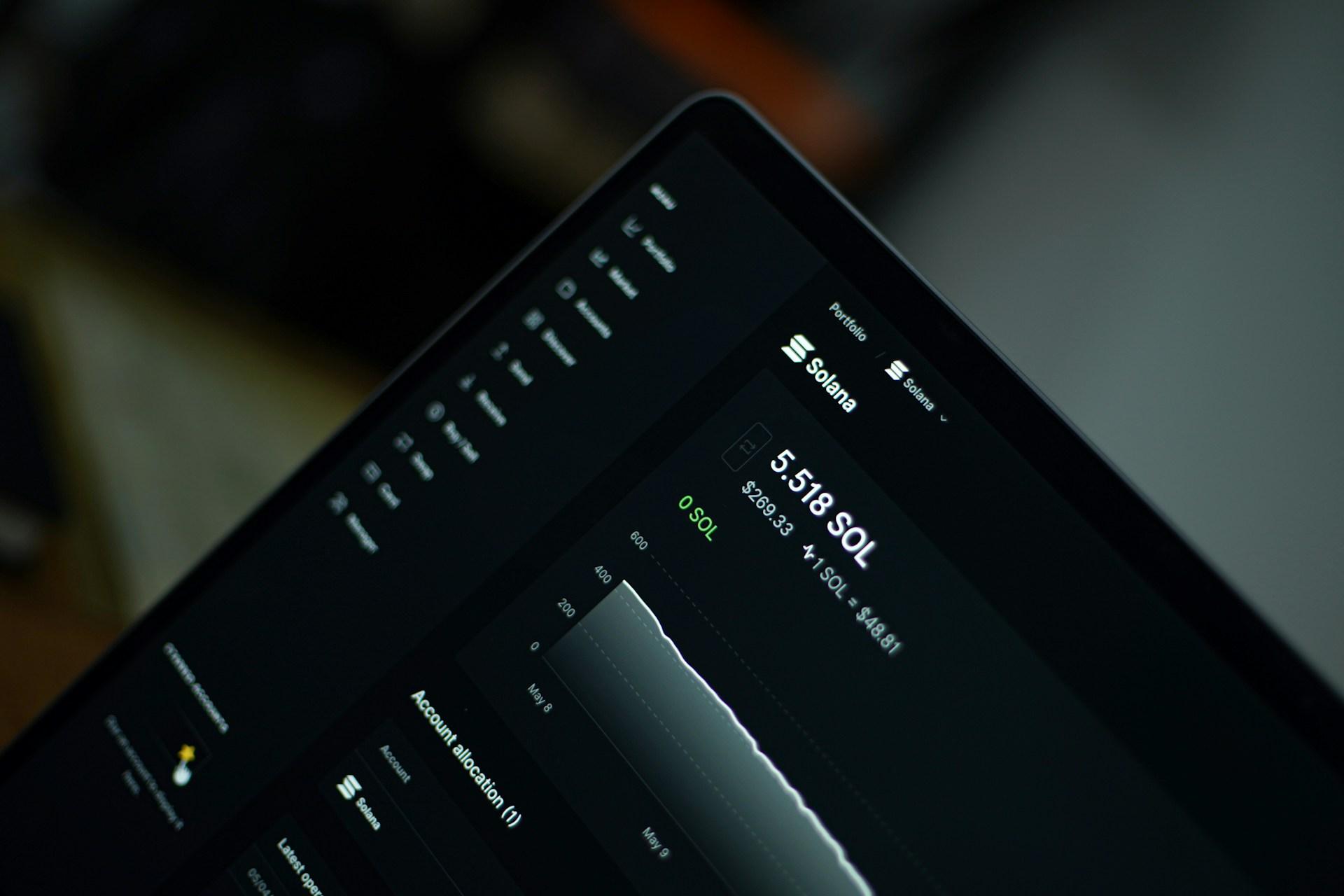
In March 2026, the Solana Foundation announced that it had taken a majority stake in the crypto data provider CoinGecko. The foundation plans to integrate Solana‑powered trading features directly into CoinGecko’s website, GeckoTerminal, and mobile app. This move highlights how a blockchain ecosystem can leverage a trusted data source to offer users seamless, low‑latency trading experiences.
What it means for you
Accurate market data is the backbone of most passive‑income strategies. Whether you are using a cloud‑mining service, staking platform, or automated yield‑farming bot, the underlying algorithms rely on up‑to‑date price feeds to allocate capital, trigger rewards, or rebalance positions. Poor or delayed data can lead to missed opportunities, unnecessary fees, or even losses.
When a reputable provider like CoinGecko expands its capabilities, the quality and speed of the data improve. For a user, that translates into more reliable reward calculations, tighter spreads on trades, and better risk management.
What to check before trusting a data source
- Coverage – Verify that the provider includes the exchanges and assets you plan to use. Some services focus on major exchanges, while others add niche or decentralized platforms.
- Latency – Lower latency (the delay between a market event and the data reaching you) is essential for high‑frequency strategies. Look for providers that publish their average latency figures.
- Historical depth – For back‑testing strategies, you need extensive historical data. Check how far back the archives go and whether they include all required fields.
- Reliability – Review uptime statistics and any service‑level agreements (SLAs). Frequent outages can disrupt automated earnings.
- Transparency – Providers should disclose how they source and clean data. Open documentation helps you understand any adjustments made to raw feeds.
FAQ
Is free market data good enough for earning crypto?
Free data can be sufficient for low‑frequency strategies, but it often comes with higher latency, limited coverage, or fewer historical points. For more active or higher‑value earning methods, a paid tier with better performance may be worth the cost.
Can I rely on a single data provider?
Relying on one source creates a single point of failure. Many professional setups use multiple providers and cross‑check prices to ensure accuracy, especially when large sums are at stake.
How does on‑chain data differ from exchange data?
On‑chain data comes directly from the blockchain itself, such as transaction counts or token holder distribution. Exchange data reflects trading activity on specific platforms. Both are useful: on‑chain metrics help assess network health, while exchange data drives price‑based earning strategies.
Do I need to understand APIs to use earning platforms?
No. Most user‑friendly platforms integrate the data behind the scenes. However, if you plan to build your own bots or custom dashboards, a basic grasp of API calls and JSON responses will be helpful.
This article references reporting from coindesk.com.





