Are you curious why your electricity bill might rise as crypto mining expands, and what that means for everyday users? This article explains how cryptocurrency mining consumes electricity, how it interacts with the power grid, and who typically bears the cost of necessary infrastructure upgrades.
What crypto mining actually is
Crypto mining is the process of validating transactions and adding new blocks to a blockchain. Miners run computers that solve complex mathematical puzzles; the first to find a solution earns a block reward in the native coin (for example, Bitcoin). The puzzles are deliberately hard so that they require a lot of computational work, which translates into high electricity consumption. The term proof‑of‑work (PoW) describes this consensus mechanism, where “proof” is the computational effort expended.
Each miner’s hardware—often specialized ASIC (Application‑Specific Integrated Circuit) machines—draws power continuously while searching for a solution. The total electricity used by all miners worldwide can reach tens of terawatt‑hours per year, comparable to the consumption of a small country. Because the difficulty of the puzzles adjusts automatically, miners must keep adding more hardware or using more efficient machines to stay competitive.
How mining interacts with the power grid
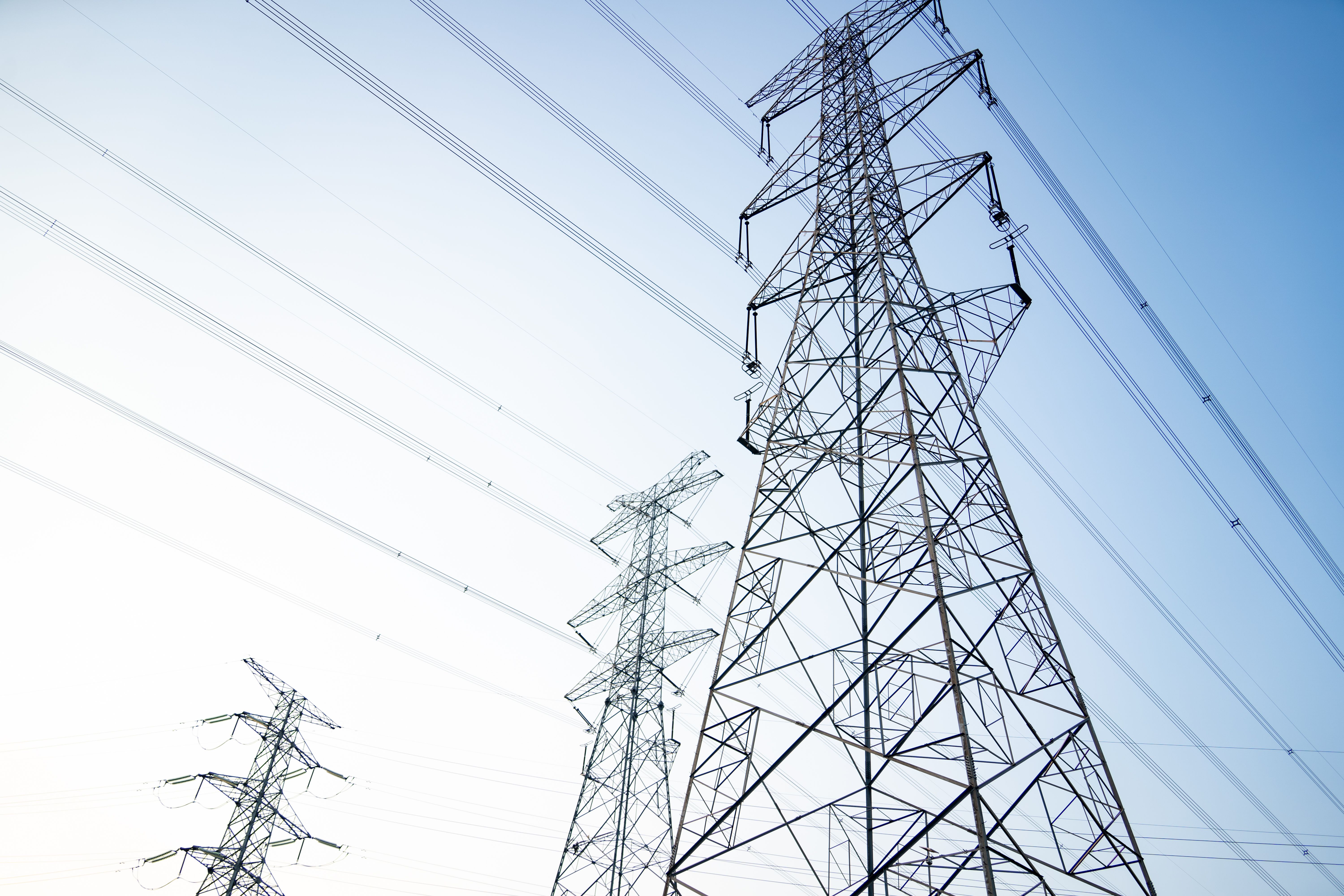
The power grid is a network that delivers electricity from generators to consumers. It must balance supply (how much power is produced) with demand (how much is used) at every moment. When a large mining operation turns on thousands of ASICs, its demand can spike dramatically, especially if the operation is located in a region with cheap electricity.
These spikes can cause several technical challenges:
- Load balancing: Grid operators must ensure that enough generation capacity is online to meet the sudden increase in demand.
- Transmission constraints: High‑power loads may overload local distribution lines, requiring upgrades to transformers or substations.
- Peak pricing: In many markets, electricity costs more during peak demand periods. Mining farms that run continuously can push the grid closer to its peak, raising prices for all users.
Real‑world illustration
In a recent discussion about America’s growing digital economy, analysts highlighted that the expanding crypto sector is putting pressure on the nation’s aging power infrastructure. The article noted that as mining operations scale up, utilities and regulators are debating who should foot the bill for grid upgrades needed to handle the extra load.
What this means for you
If you are a small miner, a participant in a cloud‑mining service, or simply a consumer of electricity, the increasing demand from mining can affect you in several ways:
- Higher electricity rates: Utilities may raise rates to cover the cost of new transmission lines or substations.
- Potential curtailment: In extreme cases, grid operators may temporarily limit power to high‑consumption users during peak periods.
- Opportunities for green mining: Some regions offer lower rates for renewable energy, encouraging miners to locate where the grid is less stressed.
How to evaluate the impact before you start mining
Before committing to a mining setup, consider these concrete steps:
- Check local electricity tariffs: Look for time‑of‑use pricing and any demand charges that could increase costs during peak hours.
- Assess the source of power: Renewable energy contracts may be cheaper and less likely to trigger grid upgrades.
- Research utility plans: Some utilities publish grid upgrade roadmaps; knowing upcoming projects can help you anticipate rate changes.
- Consider shared or cloud mining: Using a service that aggregates many users can spread the infrastructure cost across a larger base, potentially reducing individual impact.
- Monitor your power usage: Use a smart meter or energy monitoring software to track real‑time consumption and avoid unexpected spikes.
FAQ
Why does mining use more electricity than most other online activities?
Mining’s proof‑of‑work algorithm requires miners to perform billions of hash calculations per second. Each calculation consumes power, and the competition to solve the puzzle first forces miners to run hardware at full capacity continuously.
Can renewable energy fully power mining operations?
Yes, if a miner sources electricity directly from solar, wind, or hydro plants, the operation can run on renewable energy. However, the availability of such sources and the cost of contracts vary by region.
Will I be charged extra if a mining farm near me upgrades the grid?
Typically, utilities spread the cost of infrastructure upgrades across all customers in the service area through rate adjustments. Individual miners do not receive a separate bill, but overall rates may rise.
Is cloud mining a safer way to avoid grid‑related costs?
Cloud mining lets you rent hash power from a provider that already handles the electricity and hardware. While you avoid direct grid fees, you still indirectly pay for the provider’s electricity costs, which are reflected in the rental price.
This article references reporting from coindesk.com.