Are you worried that a cyber‑attack could lock you out of your data and demand payment in cryptocurrency? This article explains what crypto‑ransomware is, how it operates, and what steps you can take to reduce the risk of becoming a victim.
What is crypto‑ransomware and how does it work?
Ransomware is malicious software that encrypts files on a victim’s computer or network, rendering them unusable until a ransom is paid. The “crypto” part refers to the use of cryptocurrencies—most often privacy‑focused coins such as Monero (XMR)—to receive the payment. Attackers prefer crypto because it allows near‑instant, borderless transfers and can be harder to trace than traditional bank payments.
Typical ransomware follows these steps:
- Infection. The malware is delivered via phishing emails, compromised websites, or malicious attachments. Once the victim clicks a link or opens a file, the ransomware is installed.
- Encryption. The malware generates a unique encryption key for each victim and uses it to scramble files. The original files are replaced with encrypted versions that have unreadable content.
- Ransom note. A message appears on the screen, explaining that the files are locked and providing instructions on how to pay the ransom. The note usually includes a cryptocurrency wallet address and a deadline.
- Payment. The victim is asked to send a specific amount of crypto—often in a privacy coin—to the attacker’s wallet. After payment, the attacker may (or may not) provide a decryption key.
- Cleanup. Some ransomware also threatens to publish stolen data or launch further attacks if the victim does not comply.
Because the encryption keys are generated locally on the victim’s machine, even the attacker cannot easily decrypt the files without the key. This makes paying the ransom the only apparent solution for many victims.
Real‑world illustration
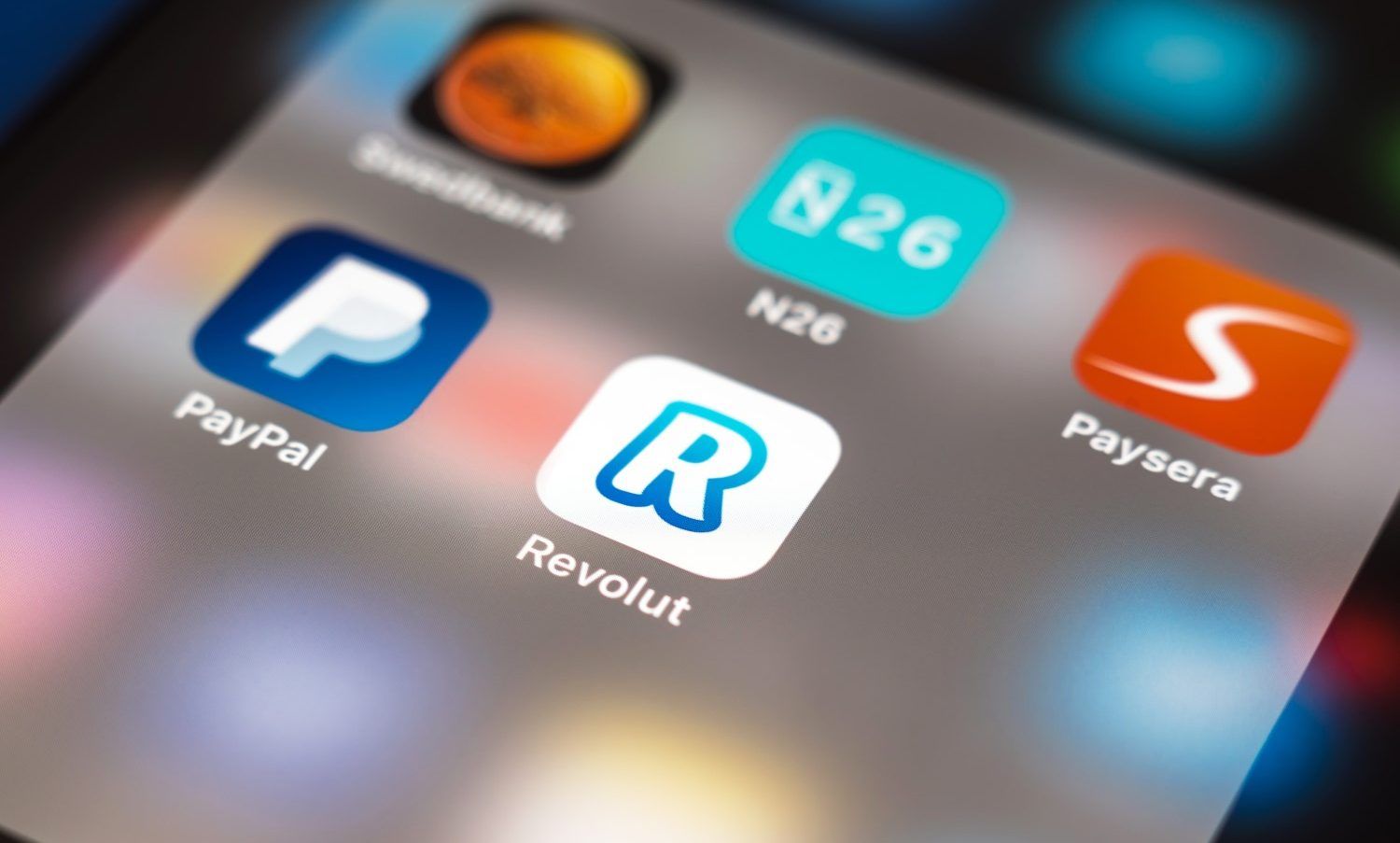
In March 2026, a group of hackers who had breached the financial app Revolut demanded a ransom of $3 million worth of Monero. They threatened to sell stolen customer data if their demands were not met. This case shows how attackers combine data theft with crypto‑ransom demands, leveraging the anonymity of privacy coins to pressure victims.
What it means for you
If you store personal files, business data, or any valuable information on a computer or cloud service, you could be a target. The use of crypto does not make ransomware less dangerous; it simply changes the payment method. The key takeaway is that prevention and preparedness are far more effective than hoping to recover after an attack.
How to assess your risk and protect yourself
- Keep software up to date. Regularly install security patches for operating systems, browsers, and any applications you use.
- Use reputable security solutions. Anti‑malware tools can detect and block known ransomware signatures.
- Back up data frequently. Store backups offline or in a separate cloud account that is not continuously synchronized with your primary devices.
- Educate yourself and your team. Phishing emails are the most common infection vector. Learn to spot suspicious links, attachments, and sender addresses.
- Limit administrative privileges. Users should only have the rights they need. Reducing admin access makes it harder for ransomware to gain the permissions required to encrypt large numbers of files.
- Consider network segmentation. Separate critical systems from less secure ones to contain an infection if it does occur.
Quick checklist for evaluating a platform’s security
- Does the service use multi‑factor authentication (MFA) for logins?
- Are backups performed automatically and stored in an immutable format?
- Is the provider transparent about its incident response plan?
- Does the platform encrypt data at rest and in transit?
- Has the service undergone third‑party security audits?
FAQ
Can paying the ransom guarantee I’ll get my files back?
No. Paying does not guarantee that the attacker will provide a working decryption key, and it may encourage further attacks. Restoring from a clean backup is the safest option.
Why do attackers prefer Monero over Bitcoin for ransom payments?
Monero is designed to hide transaction details, including sender, receiver, and amount. This makes it more difficult for law enforcement to trace the flow of funds compared with Bitcoin, which has a public ledger.
Is it safe to keep my crypto assets on an exchange?
Exchanges can be attractive targets for hackers. Storing large amounts of crypto in a personal hardware wallet, where you control the private keys, reduces the risk of loss due to a breach.
What should I do if I discover a ransomware infection?
Disconnect the affected device from the network immediately, preserve any logs, and contact a cybersecurity professional. Do not pay the ransom before consulting experts, and report the incident to relevant authorities.
This article references reporting from coindesk.com.