Are you wondering how government sanctions impact the cryptocurrency platforms you use and whether your earnings are at risk? This article explains how sanctions work in the crypto space, how exchanges can become targets, and what steps you can take to protect yourself.
What are crypto sanctions and how do they work?
Sanctions are legal restrictions imposed by governments or international bodies to limit the flow of money to designated individuals, companies, or countries. In the crypto world, sanctions target digital asset exchanges that are accused of facilitating prohibited transactions, such as moving funds for sanctioned entities or evading existing financial controls.
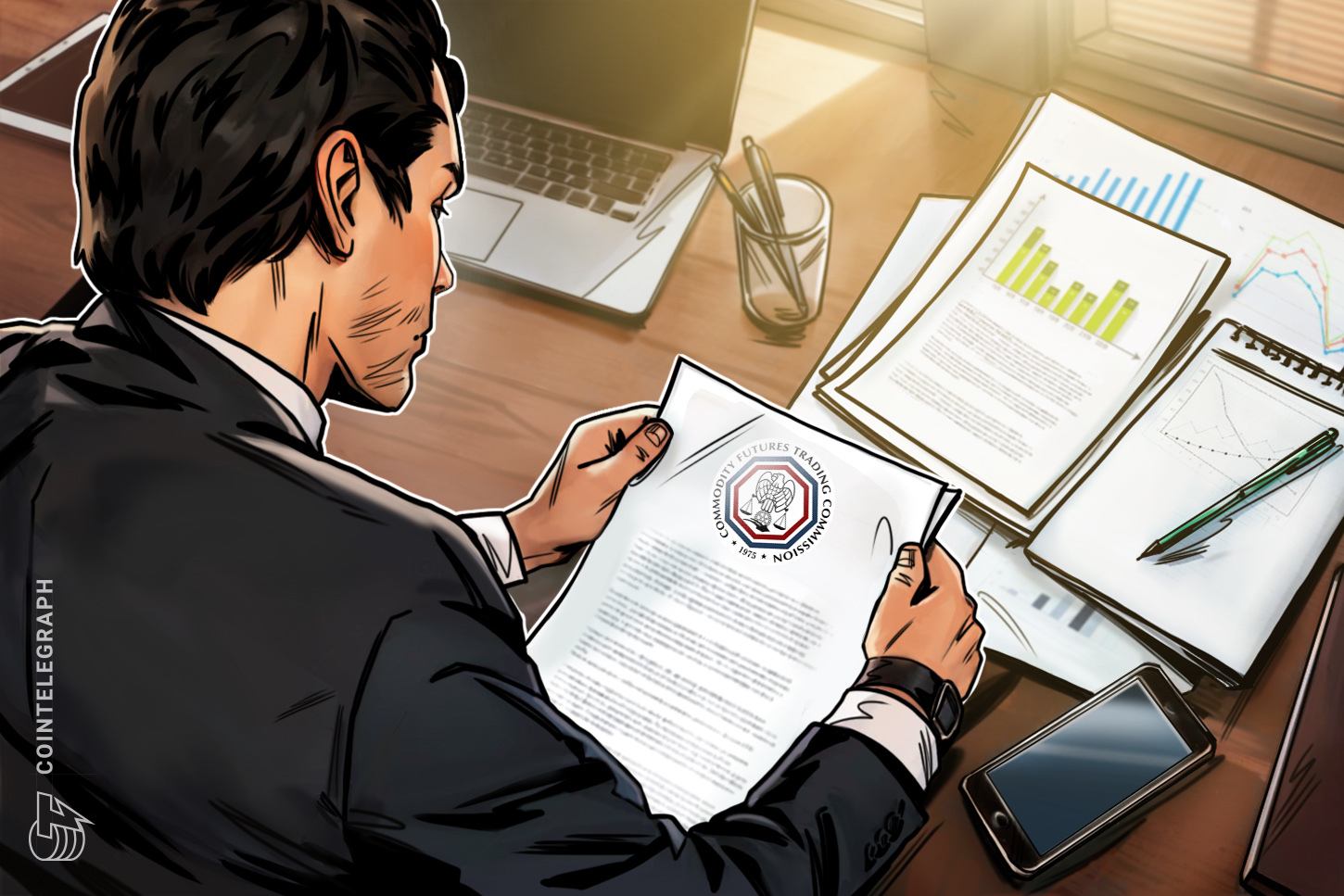
When a sanctions authority, such as the U.S. Department of the Treasury’s Office of Foreign Assets Control (OFAC), designates an exchange, the exchange is added to a Specially Designated Nationals (SDN) list. U.S. persons and entities are then prohibited from dealing with anyone on that list. The designation also often requires financial institutions to freeze any assets linked to the sanctioned party.
Key terms to know:
- OFAC – The U.S. agency that administers and enforces economic and trade sanctions.
- SDN list – A list of individuals and companies whose assets are blocked and with whom U.S. persons may not conduct business.
- Sanctions evasion – Attempts to bypass sanctions, for example by routing crypto through multiple exchanges or using offshore entities.
A real‑world illustration
In September 2026, the U.S. Treasury announced sanctions against the Iranian crypto exchange BitBank. OFAC alleged that BitBank processed Bitcoin payments received from ships transiting the Strait of Hormuz and transferred those funds to the Islamic Revolutionary Guard Corps (IRGC). The Treasury said the scheme moved “hundreds of millions of dollars in Bitcoin” on behalf of Iranian financier Babak Zanjani. The designation also included BitBank’s developer, Pishtaz Simorgh Electronic Trade Company, and three associates of Zanjani.
This action was part of a broader effort that had already targeted other Iranian exchanges such as Shelbit, Aban Tether, and Nobitex earlier in the year. The sanctions aimed to cut off the regime’s ability to finance itself through digital assets.
What this means for you as an online earner
If you earn crypto through mining, staking, cloud rewards, or other passive‑income methods, you may need to interact with exchanges to convert or withdraw your earnings. When an exchange is sanctioned, several risks arise:
- Asset freezing – Funds held on a sanctioned platform can be frozen, making them inaccessible.
- Legal exposure – Using a sanctioned exchange could unintentionally violate sanctions, especially for U.S. persons or entities.
- Reputation risk – Associating with a platform linked to illicit activities may affect future partnerships or access to other services.
Therefore, staying informed about the compliance status of the platforms you use is essential for protecting both your earnings and your legal standing.
How to evaluate an exchange’s sanctions risk
Before depositing or withdrawing crypto, consider the following checks:
- Check sanctions lists – Search the OFAC SDN list, the EU’s consolidated sanctions list, and other relevant authorities for the exchange’s name or its corporate affiliates.
- Review the exchange’s compliance policy – Reputable platforms publish AML (anti‑money‑laundering) and KYC (know‑your‑customer) procedures that demonstrate they screen users and transactions against sanctions.
- Look for licensing and regulation – Exchanges registered with financial regulators (e.g., a national securities commission) are more likely to have robust compliance frameworks.
- Monitor news and community reports – Regularly read reputable crypto news sources and community forums for any emerging sanctions or regulatory actions.
- Diversify your holdings – Keep a portion of your crypto in personal wallets where you control the private keys, reducing reliance on any single exchange.
FAQ
Will my crypto be seized if I used a sanctioned exchange before it was designated?
Generally, assets held on a platform before it is sanctioned remain subject to the same rules as after the designation. Authorities may freeze or seize those assets if they can trace them to prohibited activities. It is safest to move funds to a compliant wallet as soon as you learn of a sanction.
Can I still trade on a sanctioned exchange if I am not a U.S. person?
Non‑U.S. persons are not directly bound by U.S. sanctions, but many exchanges operate globally and may enforce the restrictions to avoid losing access to U.S. markets. Using a sanctioned platform could still expose you to secondary sanctions or limit your ability to move funds through other services.
How do I know if an exchange is truly “green” or just a marketing label?
Look for verifiable certifications, such as third‑party audits of energy usage, and transparent reporting of the source of electricity used for mining or operations. Genuine green initiatives are usually documented in public reports rather than vague claims.
What should I do if I suspect an exchange is involved in illicit activity?
Stop using the platform immediately, withdraw any accessible funds to a personal wallet, and report your concerns to the appropriate regulatory body (e.g., OFAC in the United States). Keeping a record of your transactions can help authorities investigate.
This article references reporting from cointelegraph.com.