Are you worried that government sanctions could affect the crypto services you use to earn online? This article explains how sanctions are applied to cryptocurrency platforms, why they matter, and what steps you can take to protect your earnings.
What sanctions are and how they apply to crypto
A sanction is a legal restriction imposed by a government or international body to limit the economic activity of a target—usually a country, organization, or individual. In the crypto world, sanctions typically take the form of an asset freeze and a prohibition on providing services to the listed entity. An asset freeze means that any funds or digital assets under the jurisdiction of the sanctioning country must be blocked and cannot be transferred, withdrawn, or used. A service prohibition bars banks, payment processors, and other intermediaries from facilitating transactions with the sanctioned party.
Because cryptocurrencies are borderless, regulators use a combination of traditional financial controls and blockchain‑specific tools. They may require exchanges to screen users against watchlists, block wallets that belong to sanctioned entities, and report suspicious activity to authorities. If an exchange fails to comply, it can be added to a sanction list, which then obliges all entities in the sanctioning country to cut off ties with that exchange.
Why crypto platforms become sanction targets
Crypto exchanges can become conduits for moving money around sanctions. If an exchange allows users in a sanctioned country to convert fiat into crypto and then send it abroad, it may be seen as helping that country evade financial restrictions. Regulators therefore monitor exchanges for signs of sanction evasion—for example, facilitating large transfers from known sanctioned entities or offering services that bypass traditional banking oversight.
When a platform is added to a sanction list, the impact can be swift: payment processors stop processing deposits and withdrawals, banks freeze any accounts linked to the exchange, and other crypto services may block the platform’s API access. The goal is to cut off the flow of funds that could support prohibited activities.
Real‑world illustration
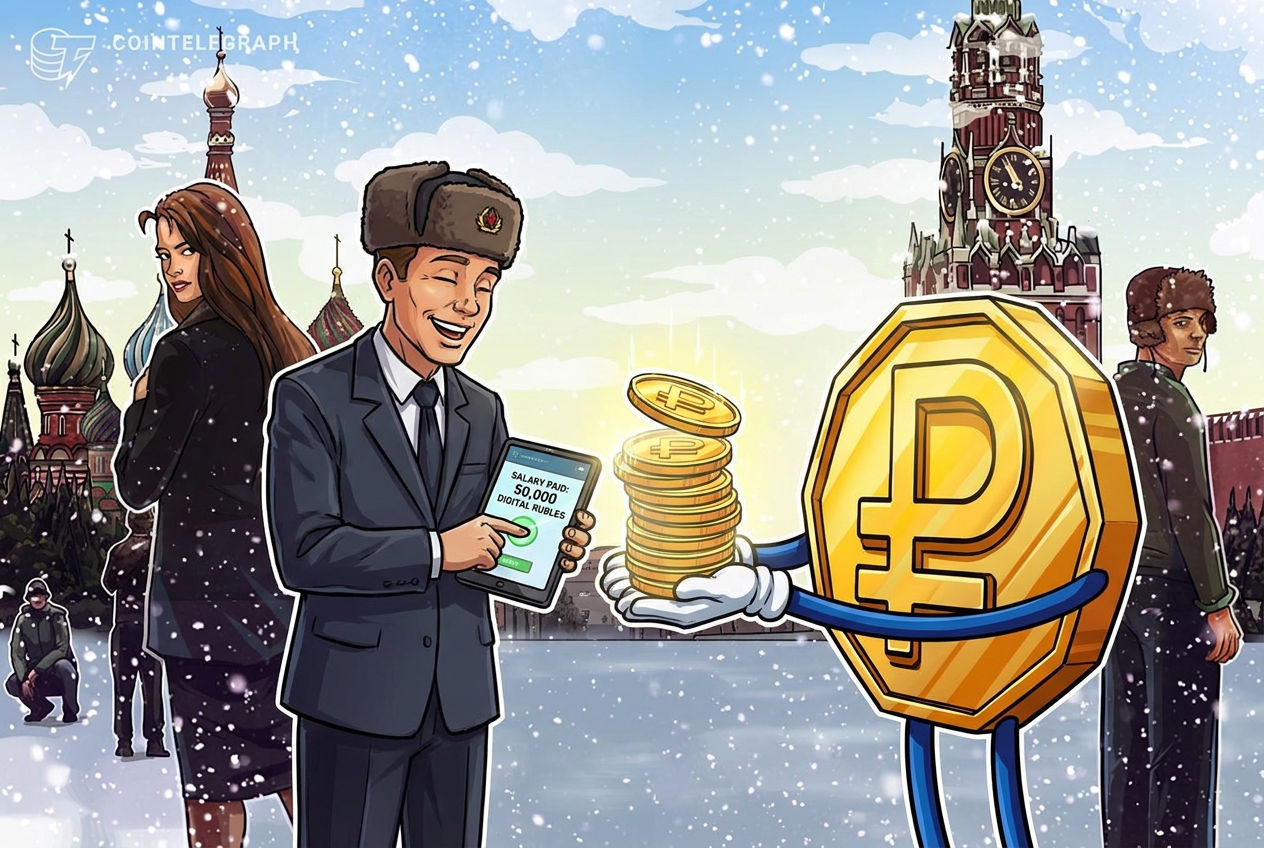
In October 2026, Japan expanded its sanctions against Russia to include the Russian cryptocurrency exchange Garantex. The Japanese Ministry of Foreign Affairs, Ministry of Finance, and Ministry of Economy, Trade and Industry placed Garantex on an asset‑freeze list, restricting payments and capital transactions with the exchange. Garantex had already been sanctioned by the United States, the European Union, and other jurisdictions for helping Russian entities evade financial restrictions. The Japanese move aimed to reduce Russia’s earnings from crude oil exports by cutting off another avenue for moving money.
Despite the sanctions, blockchain intelligence firm TRM Labs reported that Garantex had a contingency plan allowing it to quickly migrate clients, infrastructure, and funds to a successor platform, Grinex. This illustrates how some crypto businesses anticipate enforcement actions and prepare workarounds, which can make sanctions less effective if users are not aware of the risks.
What this means for you
If you use a crypto exchange or cloud‑mining service to generate passive income, sanctions can affect you in several ways:
- Access loss: Your ability to deposit, withdraw, or trade on a sanctioned platform may be blocked in your country.
- Frozen assets: Funds held on the platform could be frozen, meaning you cannot move them until the sanction is lifted or the platform resolves the issue.
- Compliance costs: Exchanges may raise fees or impose stricter verification to meet regulatory demands, reducing your net earnings.
- Reputational risk: Associating with a sanctioned platform could expose you to legal scrutiny, especially if you are a business or high‑volume trader.
Understanding these risks helps you make informed decisions about where to place your earnings.
How to evaluate a platform’s sanction risk
Before committing funds to any crypto service, consider the following checks:
- Regulatory status: Look up the platform on official sanction lists published by major jurisdictions (e.g., U.S. OFAC, EU, Japan’s Ministry of Finance). Most lists are searchable online.
- Compliance transparency: Reputable platforms publish their AML (anti‑money‑laundering) and KYC (know‑your‑customer) policies. Clear procedures indicate a willingness to cooperate with regulators.
- Geographic focus: Services heavily tied to a single country’s regulatory environment may be more vulnerable to sudden sanctions.
- Contingency planning: Check if the platform has a public roadmap for handling regulatory actions, such as migration to a new entity or partnership with compliant partners.
- Community feedback: Browse forums and independent research reports for signs that users have experienced freezes or withdrawals being blocked.
FAQ
Can I still use a sanctioned exchange if I live in a country that hasn’t imposed the same sanctions?
Technically you might be able to access the platform, but many payment processors and banks worldwide comply with major sanction regimes. This can make it difficult to move fiat in or out, and you could face legal exposure if your activities are deemed to support sanctioned entities.
What should I do if my assets are frozen because the exchange I use gets sanctioned?
First, contact the exchange’s support team for guidance. Then, consult the sanction‑issuing authority’s website for any appeals process. In many cases, you may need to wait until the platform resolves its compliance issues or migrate your funds to a compliant service.
Do decentralized exchanges (DEXs) face the same sanction risks?
Decentralized exchanges operate without a central authority, making direct sanctions harder to enforce. However, regulators can still target the on‑ramps and off‑ramps—wallet providers, fiat gateways, and liquidity providers—that connect users to DEXs. Using a DEX does not eliminate sanction risk entirely.
How can I stay informed about new sanctions that might affect my crypto earnings?
Subscribe to official newsletters from major regulatory bodies, follow reputable blockchain intelligence firms, and monitor reputable news aggregators. Regularly reviewing sanction lists can help you act quickly if a platform you use becomes restricted.
This article references reporting from cointelegraph.com.