Are you curious whether a crypto token that promises daily payouts can be a reliable source of passive income? This article explains the mechanics behind dividend‑style tokens, how they generate returns, and what you should look for before counting on them.
What a Dividend Token Actually Is
A dividend token is a digital asset that distributes a portion of its earnings to holders on a regular schedule—daily, weekly, or monthly. The “dividend” can come from several sources: transaction fees collected by the protocol, revenue from services built on the platform, or a share of profits from a treasury that holds other assets. When you own the token, you own a tiny slice of that revenue stream, similar to owning a share of a traditional company that pays cash dividends.
Key terms to understand:
- Revenue source: The activity that generates money for the token’s ecosystem, such as trading fees, staking rewards, or fees from a decentralized application (dApp).
- Distribution schedule: How often the token pays out earnings—daily, weekly, etc.
- Yield: The percentage return you receive relative to the token’s price, often expressed as an annualized figure.
- Tokenomics: The economic design of the token, including supply, inflation rate, and how dividends are funded.
Real‑World Example
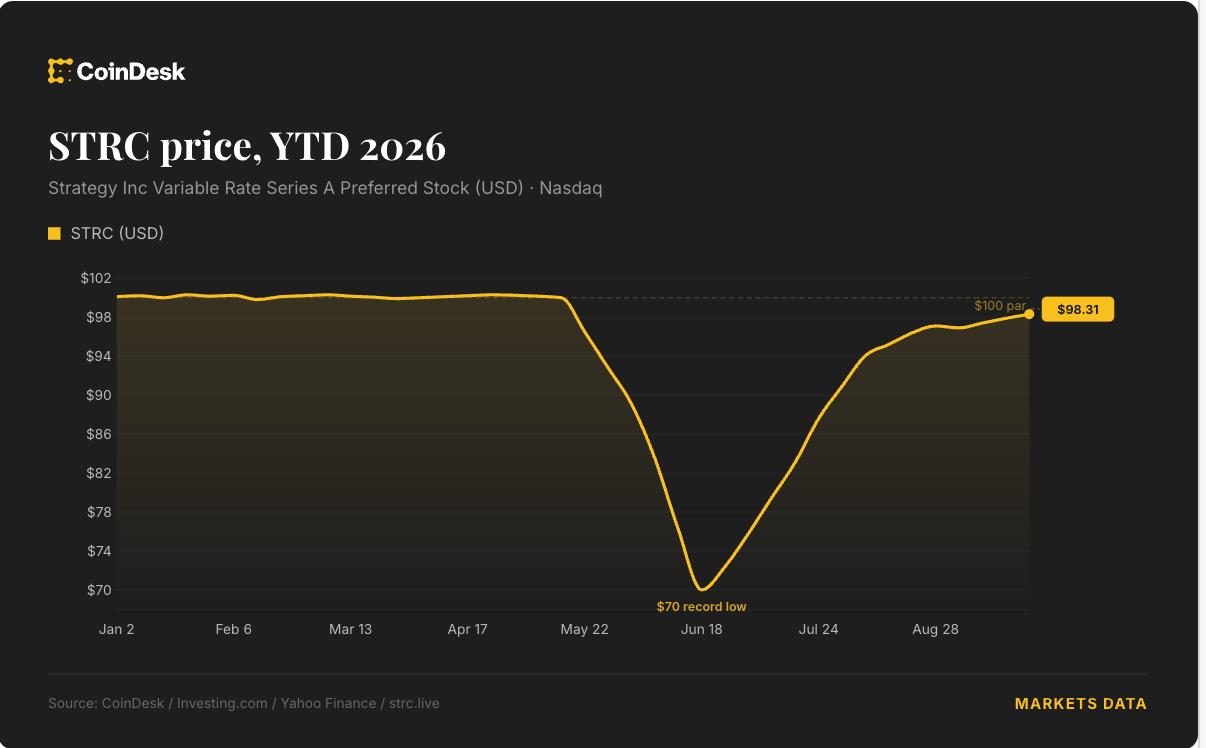
In March 2026, the team behind the STRC token announced a new strategy to issue daily dividends in an effort to push the price back toward the $100 level where it had previously traded. The proposal outlined that a fixed percentage of the protocol’s fee revenue would be converted into STRC and sent to all wallet addresses holding the token at the snapshot time each day. The aim was to create a steady cash‑flow incentive that could attract new buyers and support the market price.
What It Means for You
If you are looking for a way to earn passive income from crypto, dividend tokens can appear attractive because they promise regular payouts without the need to actively trade or stake. However, the reliability of those payouts depends entirely on the health of the underlying revenue streams. A token that consistently generates fees can sustain dividends, while one that relies on speculative trading volume may see payouts dry up if activity slows.
Moreover, daily payouts can create a “yield‑chasing” mindset, where investors focus on short‑term cash flow rather than the long‑term viability of the project. This can lead to price volatility, especially if large holders sell their tokens after receiving a dividend.
How to Evaluate a Dividend Token
- Verify the revenue source. Look for transparent reporting of fees, transaction volumes, or other income that funds the dividend.
- Check the distribution formula. Understand what percentage of revenue is allocated to payouts and whether that percentage is fixed or adjustable.
- Assess token supply dynamics. Inflationary token models can dilute your share of future dividends.
- Review audit and governance. Independent audits and clear governance processes reduce the risk of arbitrary changes to the payout schedule.
- Consider market liquidity. Even with strong dividends, you need a liquid market to sell the token without large price impact.
FAQ
Do dividend tokens guarantee a profit?
No. Dividends are paid only if the underlying protocol generates enough revenue. If income falls, payouts may be reduced or stopped entirely.
How are dividends taxed?
In most jurisdictions, dividend payments are treated as ordinary income and must be reported on your tax return. Check local regulations for specifics.
Can I rely on daily payouts for regular cash flow?
Daily payouts can provide a small, steady stream, but they are usually modest and subject to change. It’s wise to view them as supplemental income rather than a primary salary.
What risks are unique to dividend tokens?
Risks include revenue volatility, token inflation, governance changes that alter payout rules, and the possibility of the project failing altogether, which would eliminate dividends and potentially reduce the token’s value to near zero.
This article references reporting from coindesk.com.