Are you wondering why a looming recession can make your crypto earnings feel shaky? This article explains how macro‑economic downturns affect cryptocurrency prices, mining rewards, and the overall profitability of online earning strategies.
What a recession is and why it matters for crypto
A recession is a period of declining economic activity, typically identified by two consecutive quarters of negative gross domestic product (GDP) growth. During a recession, consumer spending falls, businesses cut costs, and unemployment rises. These conditions influence financial markets because investors look for safer assets and adjust risk exposure.
Cryptocurrencies are considered risk‑on assets. When confidence in the broader economy wanes, investors often move money out of volatile assets like Bitcoin or Ether and into traditional safe havens such as government bonds or gold. This shift can depress crypto prices, reduce transaction volumes, and lower the revenue that miners and staking platforms generate.
How mining rewards and cloud earnings react to economic stress
Mining profitability depends on three main factors: the price of the mined coin, the network’s total hashrate (computational power), and the cost of electricity. A recession can affect each of these:
- Coin price drops: Lower market prices reduce the fiat value of block rewards and transaction fees.
- Electricity costs: Utilities may raise rates to cover budget shortfalls, increasing operational expenses for miners.
- Hashrate adjustments: If mining becomes unprofitable, some operators shut down equipment, causing the network’s hashrate to fall. A lower hashrate can make the remaining miners’ share of rewards larger, but only if the coin’s price stabilises.
Cloud mining or “cloud rewards” platforms that let users lease hashing power are similarly exposed. Their payouts are tied to the same variables, so a prolonged downturn can shrink expected earnings.
Real‑world illustration
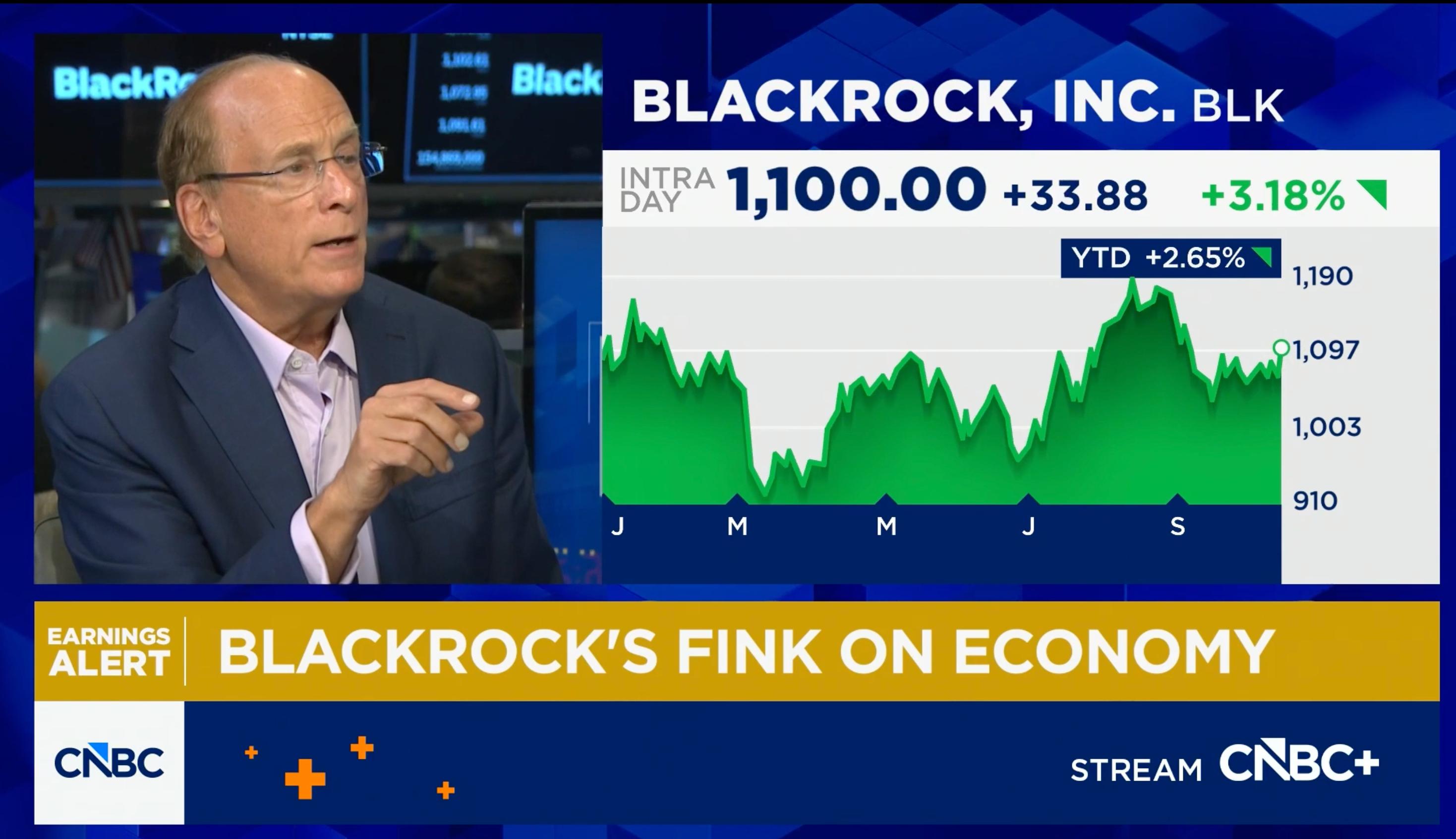
In March 2026, Larry Fink, CEO of BlackRock, warned that the United States faced a potential recession triggered by the $40 trillion national debt. While his statement was about sovereign finance, the ensuing market anxiety contributed to a sharp sell‑off in risk assets, including Bitcoin and Ether. The price dip reduced mining revenue across the board, and several mid‑size mining pools reported a 65 % drop in hashrate as operators temporarily shut down rigs to cut losses.
What this means for you
If you earn crypto through mining, staking, or cloud reward services, a recession can lower the fiat value of your payouts. It also raises the chance that providers may pause or terminate services if operating costs become unsustainable. However, a downturn can also create opportunities: lower coin prices may make it cheaper to acquire hardware or hashpower, and a reduced hashrate can improve the odds of earning block rewards for the remaining miners.
How to evaluate the risk before you commit
- Track macro indicators: Keep an eye on GDP growth, unemployment data, and central‑bank policy signals. A tightening monetary stance often precedes a market correction.
- Assess electricity pricing trends: In regions where utilities are heavily regulated, rates may stay stable; in deregulated markets, they can spike during fiscal stress.
- Check the provider’s financial health: Look for transparency about operating costs, reserve funds, and contingency plans for low‑price environments.
- Diversify earnings: Combine mining or staking with other passive‑income streams such as yield‑bearing stablecoins or traditional dividend stocks to smooth out volatility.
FAQ
Will a recession always cause crypto prices to fall?
Not necessarily. While risk‑on assets typically retreat, some investors view Bitcoin as a hedge against inflation, which can support its price. The impact varies by market sentiment and the severity of the economic slowdown.
Can I still profit from mining during a downturn?
Profitability hinges on your electricity cost and the coin’s price. If you have access to cheap, renewable energy, mining can remain viable even when prices dip, though returns will be lower.
Should I stop using cloud mining services when the market is weak?
Pause rather than cancel. Many platforms allow you to suspend contracts, preserving your hashpower for when prices recover, and avoiding premature termination fees.
How does a falling hashrate affect my staking rewards?
Staking rewards are generally set by protocol rules, not network hashrate. However, a lower hashrate can signal reduced mining competition, which may indirectly stabilise coin prices and benefit stakers.
This article references reporting from coindesk.com.