Wondering why some crypto services get robbed while others stay safe? This article explains what a hot wallet is, how hackers exploit them, and what steps you can take to keep your digital assets secure.
What a hot wallet is and how it works
A hot wallet is a cryptocurrency storage solution that is connected to the internet. It can be a software wallet on a phone or computer, a web‑based exchange account, or a custodial service that holds users’ coins on its servers. Because the private keys – the secret codes that allow spending – are stored online, hot wallets enable fast transactions, which is essential for trading platforms, payment processors, and crypto‑based services that need to move funds quickly.
The convenience of hot wallets comes with a trade‑off: the same internet connection that makes them fast also exposes them to cyber‑attacks. If an attacker gains access to the private keys or the infrastructure that controls them, they can transfer the stored coins to their own addresses in a matter of seconds.
How hot‑wallet hacks occur
Hackers use several common methods to breach hot‑wallet security:
- Phishing and credential theft: Fake login pages or malicious emails trick employees or users into revealing passwords and two‑factor authentication (2FA) codes.
- Malware infection: Keyloggers or remote‑access tools installed on a device can capture private keys or 2FA tokens.
- Insider threats: Employees with privileged access may intentionally or unintentionally expose keys, especially if internal controls are weak.
- Exploiting software vulnerabilities: Bugs in wallet software, APIs, or the underlying operating system can give attackers a backdoor to the private keys.
- Supply‑chain attacks: Compromised third‑party services (e.g., cloud providers, monitoring tools) can become a conduit for stealing keys.
Once the attacker controls the hot wallet, they can initiate a transfer that is irreversible on the blockchain. Because the movement is recorded publicly, the theft is often discovered only after the funds have left the compromised address.
Real‑world illustration
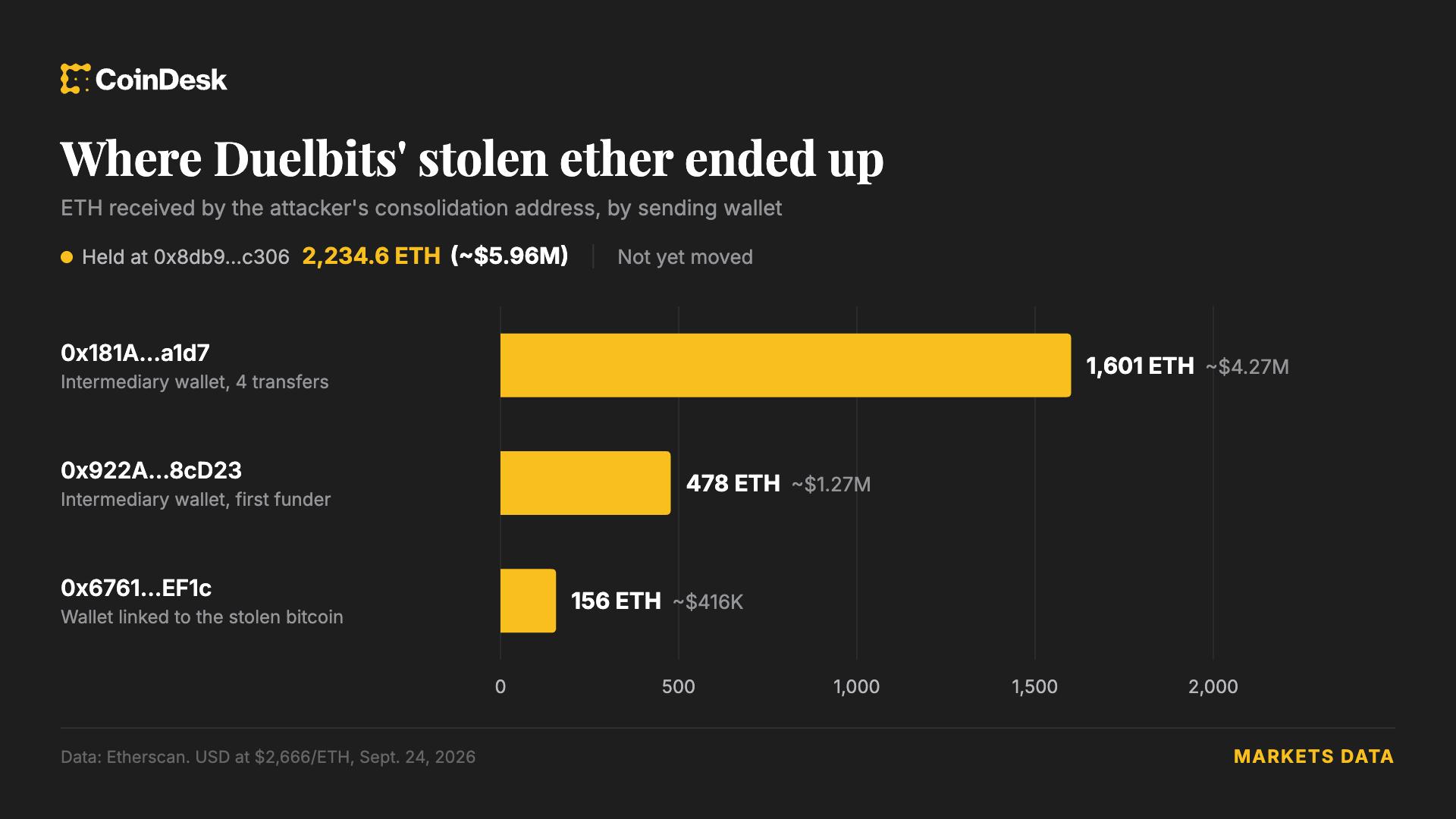
In March 2026, the crypto casino Duelbits went offline after a $7 million hot‑wallet hack. The platform’s custodial wallet, which stored users’ betting balances, was accessed by an unknown party who transferred the funds to external addresses. The incident forced Duelbits to suspend operations while it investigated the breach and attempted to reimburse affected users.
What this means for you
If you use online services to earn or store crypto—whether through a betting platform, a cloud‑mining pool, or a centralized exchange—you are relying on the provider’s hot‑wallet security. A successful hack can result in the loss of your deposited funds, and there is typically no recourse once the coins have moved on chain.
Even if you keep most of your holdings in a personal wallet, many users still keep a portion in hot wallets for convenience. Understanding the risks helps you decide how much to keep online versus in a more secure cold wallet (an offline storage device that is never connected to the internet).
How to evaluate a platform’s security
Before depositing crypto, consider these checkpoints:
- Multi‑signature custody: Does the platform require multiple private keys to approve a transaction? Multi‑sig reduces the chance that a single compromised key can move funds.
- Cold‑storage ratio: What percentage of total user funds are kept in offline cold storage? A higher ratio indicates that most assets are insulated from online attacks.
- Audit reports: Has the service undergone independent security audits of its wallet infrastructure? Look for publicly available audit summaries.
- Employee access controls: Are there strict policies limiting who can access private keys, and are actions logged and monitored?
- 2FA and hardware security modules (HSMs): Does the platform enforce strong two‑factor authentication and use HSMs to protect keys?
- Insurance or compensation plans: Some services offer coverage for theft, though terms vary and may not cover all losses.
FAQ
What’s the difference between a hot wallet and a cold wallet?
A hot wallet is online and can send transactions instantly, making it convenient for trading or payments. A cold wallet stores private keys offline—often on a hardware device or paper—providing stronger protection against hacks but requiring extra steps to move funds.
Can I recover funds after a hot‑wallet hack?
Because blockchain transactions are irreversible, once the attacker moves the coins to a new address, the original owner cannot retrieve them without the cooperation of the receiving party or law‑enforcement intervention, which is rarely successful.
Is using a hardware wallet enough to keep my crypto safe?
Hardware wallets protect your private keys from online attacks, but you still need to secure the device itself, back up the recovery seed, and avoid phishing attempts that could trick you into signing a malicious transaction.
Should I keep any funds in a hot wallet at all?
Keeping a small amount in a hot wallet is practical for everyday transactions, but for long‑term holding it’s advisable to move the majority of your assets to a cold wallet where they are offline and less vulnerable.
This article references reporting from coindesk.com.