
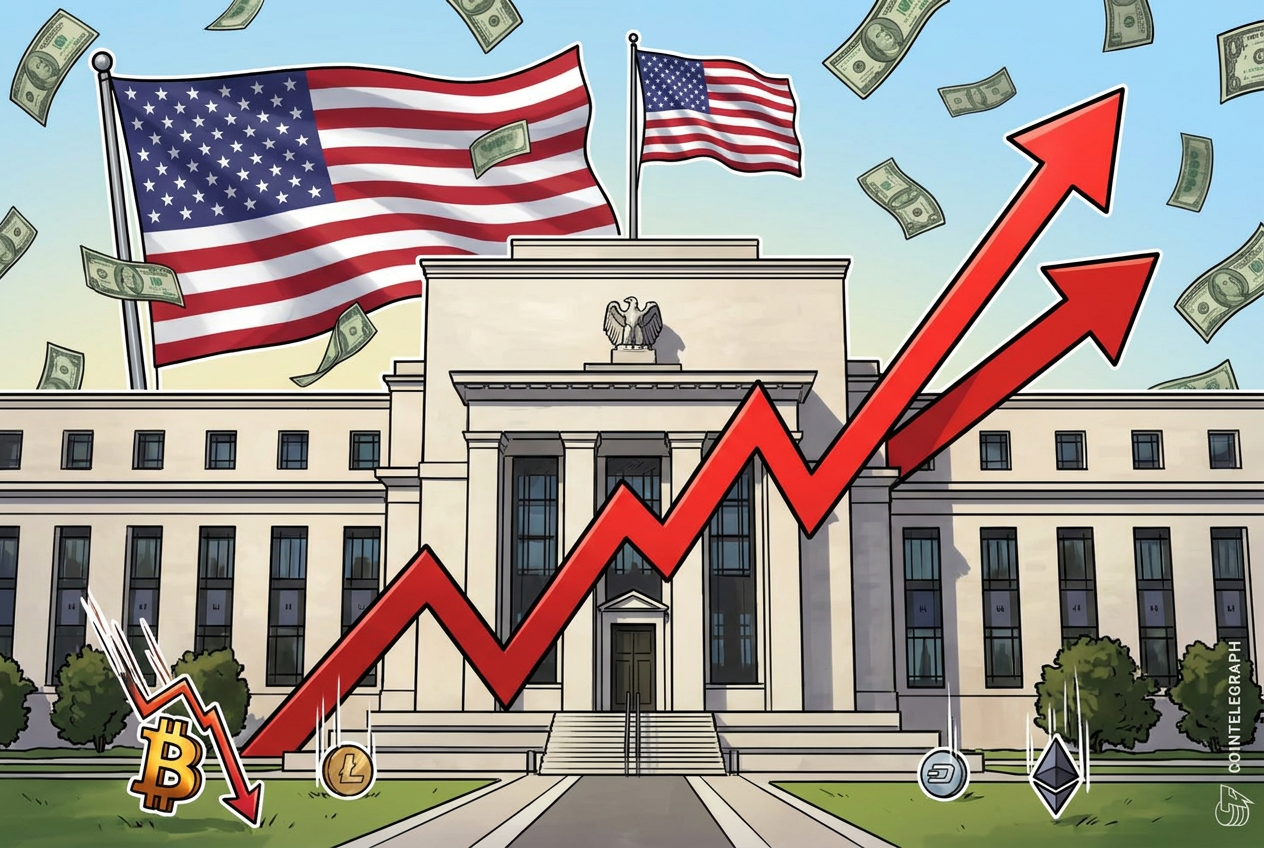
Are you wondering why a shift in U.S. interest rates can make your crypto earnings feel more volatile? This article explains how monetary policy works, why it matters to cryptocurrency markets, and what you can do to protect or improve your passive income streams.
What the Federal Reserve’s rate policy actually is
The Federal Reserve (the “Fed”) sets the benchmark interest rate, officially called the federal funds rate. This is the rate banks charge each other for overnight loans. When the Fed raises the rate, borrowing costs across the economy tend to increase; when it lowers the rate, borrowing becomes cheaper.
Two key tools drive the Fed’s decisions:
- Inflation data – the Fed aims for a 2 % annual increase in consumer prices. If inflation runs higher, the Fed may hike rates to cool spending.
- Economic growth indicators – strong GDP growth can give the Fed room to raise rates without risking a recession.
Both tools are reported in regular statistics. The Personal Consumption Expenditures (PCE) price index is the Fed’s preferred inflation gauge, while quarterly GDP figures show how fast the economy is expanding.
Why interest‑rate moves affect crypto markets
Cryptocurrencies are not tied to any central bank, but they compete for investors’ capital. When rates rise, two forces typically push money away from riskier assets like crypto:
- Higher borrowing costs – Traders who use margin (borrowed funds) to amplify positions face more expensive loans, which can shrink trading volume and push prices down.
- Attractive low‑risk alternatives – Government bonds and high‑yield savings accounts become more rewarding as their yields rise, offering a safer place to park cash.
Conversely, when the Fed cuts rates, cheap credit can fuel speculation, and the relative return on bonds falls, making crypto appear more attractive. The effect is not instantaneous; it depends on how investors interpret the broader economic outlook.
Real‑world illustration: the October 2026 PCE report
In October 2026 the U.S. Bureau of Economic Analysis released the PCE price index, showing a 3.8 % year‑over‑year increase—exactly what economists had forecast. Core PCE, which strips out food and energy, rose to 3.3 % from 3.1 % in September, the highest level in nearly three years. The report arrived just two weeks before the Fed’s December 8‑9 meeting.
Because inflation remained well above the Fed’s 2 % target, markets priced in a 94.4 % chance that the Fed would raise its benchmark rate by a quarter point, pushing the target range to 4 %–4.25 %. Analysts warned that higher rates could “make a near‑term recovery harder” for crypto, as borrowing costs rise and investors shift toward bonds.
Indeed, the total crypto market cap fell about 32 % from the start of the year, illustrating how macro‑economic pressure can weigh on digital assets.
What this means for you as a crypto earner
If you earn passive income through staking, yield‑bearing DeFi protocols, or cloud‑mining services, interest‑rate moves can affect two main components of your returns:
- Asset price risk – A higher‑rate environment often depresses crypto prices, reducing the fiat value of any rewards you receive.
- Opportunity cost – When safe assets yield more, the relative attractiveness of crypto yields drops. Some investors may reallocate, lowering demand for the tokens you stake.
However, not all crypto earnings are equally sensitive. Protocols that generate fees from network usage (e.g., decentralized exchanges) can maintain revenue even when prices dip, while pure “interest‑only” products may feel the squeeze more acutely.
How to evaluate the impact before you commit
When assessing a crypto‑earning opportunity, consider these concrete checkpoints:
- Rate sensitivity of the underlying token – Look at historical price moves during past Fed hikes. Tokens with strong utility (e.g., layer‑1 blockchains) often show less correlation to interest‑rate cycles.
- Revenue source diversity – Platforms that earn from transaction fees, block rewards, or on‑chain services tend to have more stable cash flows than those that rely solely on token appreciation.
- Yield vs. risk comparison – Compare the advertised annual percentage yield (APY) with the current yield on U.S. Treasury bonds of comparable duration. A huge spread may be tempting but could evaporate if rates climb.
- Liquidity and lock‑up periods – Shorter lock‑up periods let you react faster to market shifts. Long‑term locks can lock you into lower‑value positions if rates rise sharply.
- Platform transparency – Verify that the service discloses its fee structure, security audits, and how it sources rewards. Transparent platforms make it easier to model how macro changes will affect you.
FAQ
Will a Fed rate hike always cause crypto prices to fall?
Not always. Prices react to a mix of factors, including market sentiment, regulatory news, and technological developments. A rate hike can add downward pressure, but strong fundamentals or positive news can offset that effect.
Should I move my crypto earnings into traditional bonds when rates rise?
It depends on your risk tolerance and investment horizon. Bonds offer lower volatility but also lower upside. Some investors keep a diversified mix—crypto for growth potential and bonds for stability.
How can I protect my staking rewards from price drops?
Consider staking tokens that have strong on‑chain utility and fee‑based revenue, as they tend to retain value better. You can also hedge by converting a portion of rewards to stablecoins shortly after they’re earned.
Do cloud‑mining services like EcoPool feel the impact of interest rates?
Yes, indirectly. Higher rates can reduce the price of mined coins, lowering the fiat value of mining rewards. However, if the service charges a fixed fee and the underlying blockchain remains secure, the relative earnings per hash stay the same.
This article references reporting from cointelegraph.com.





