Ever wondered how a traditional stock can exist on a blockchain and what that could mean for your portfolio? This article explains the concept of issuer‑backed tokenized stocks, how they function, and what you should consider before adding them to your investment mix.
What Are Issuer‑Backed Tokenized Stocks?
A tokenized stock is a digital representation of a share in a public company that lives on a blockchain. Unlike “synthetic” tokens that merely track a stock’s price, issuer‑backed tokens are created and backed directly by the company that issued the underlying equity. The issuer (the corporation) works with a regulated intermediary—often a broker‑dealer or a tokenization platform—to mint a blockchain token that corresponds one‑to‑one with an actual share.
Key terms:
- Tokenization: The process of converting a real‑world asset into a digital token that can be transferred on a blockchain.
- Issuer‑backed: Indicates that the original company has authorized and guarantees the token, rather than a third party creating a derivative.
- Smart contract: Self‑executing code on the blockchain that enforces the rules of the token, such as dividend distribution or voting rights.
When you buy a tokenized stock, you own a share of the company just as you would with a conventional brokerage account. The token records ownership on the blockchain, which can reduce settlement times and enable fractional ownership—allowing you to buy, for example, 0.01 of a share.
How the System Works
1. Authorization: The company’s board approves a tokenization program and selects a qualified partner to issue the tokens.
2. Minting: The partner creates digital tokens on a public or permissioned blockchain. Each token is linked to a specific share held in a custodial account.
3. Distribution: Tokens are sold to investors through a compliant platform. The platform conducts Know‑Your‑Customer (KYC) and Anti‑Money‑Laundering (AML) checks, just like a traditional brokerage.
4. Ongoing rights: Smart contracts automatically handle corporate actions—dividends are paid out to token holders, and voting rights are recorded on‑chain.
5. Redemption: If an investor wants to convert tokens back into traditional shares, the custodian can “burn” the tokens and release the corresponding shares.
Real‑World Example
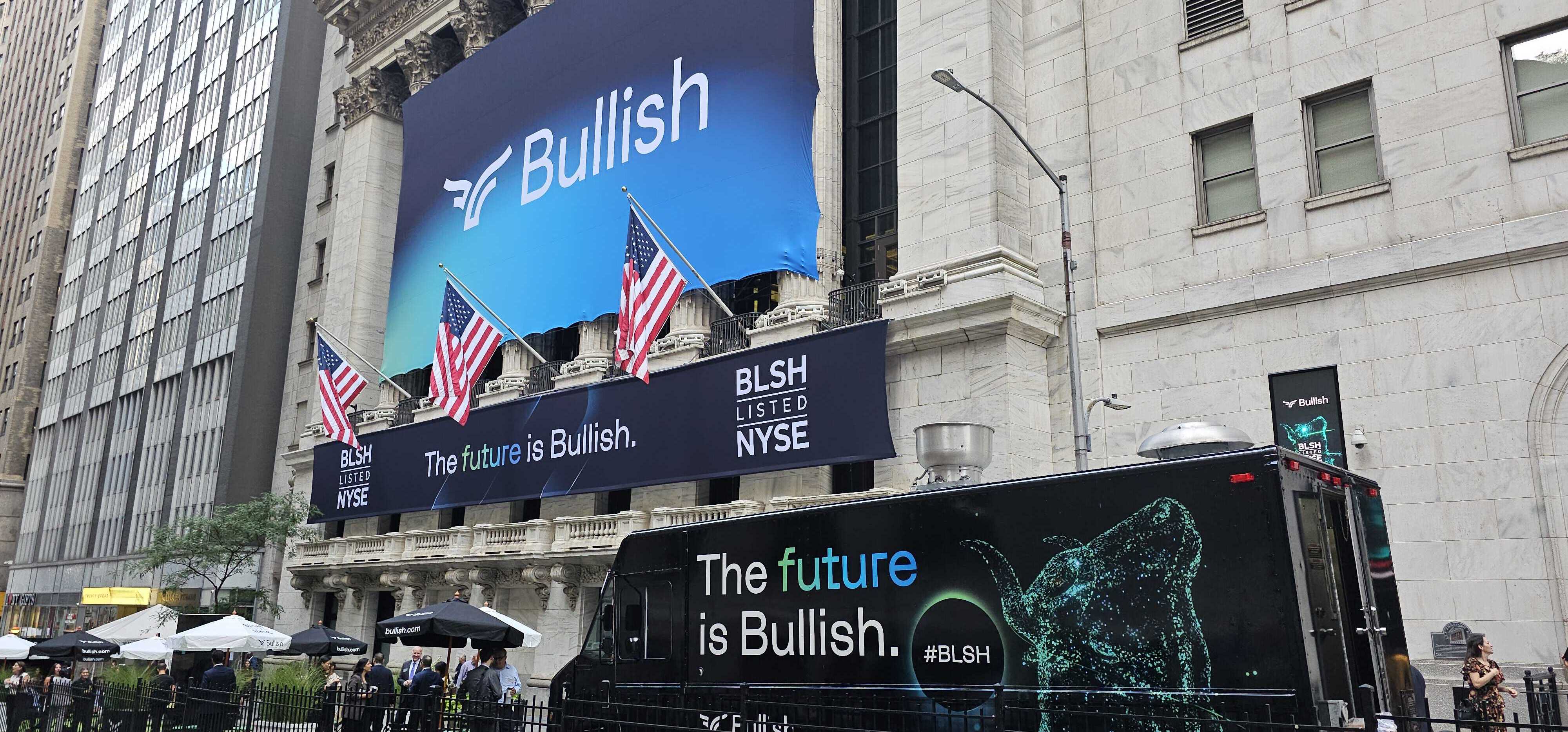
In March 2026, Alpaca and Apex Fintech announced a coalition with Bullish to promote issuer‑backed tokenized stocks. The partnership aims to create a standardized framework that lets U.S. commodities firms and other regulated entities invest in tokenized assets while relying on blockchain records for transparency and efficiency. This collaboration illustrates how multiple players are joining forces to bring tokenized equities into mainstream finance.
What It Means for You
Issuer‑backed tokenized stocks can offer several advantages for everyday investors:
- Faster settlement: Traditional stock trades can take two days (T+2) to settle. Blockchain transactions settle in minutes, freeing up capital more quickly.
- Fractional ownership: You can purchase tiny slices of high‑price stocks, diversifying your portfolio without needing large sums of money.
- Global access: Investors in jurisdictions with limited brokerage options may gain exposure to U.S. equities through a blockchain platform.
- Transparent record‑keeping: Ownership and corporate actions are recorded immutably, reducing paperwork and the risk of errors.
However, tokenized stocks also carry risks. Regulatory uncertainty remains, especially as different countries apply varying rules to digital securities. Additionally, you rely on the technology stack and the custodian’s ability to manage the underlying shares securely.
What to Check Before Investing
- Regulatory compliance: Verify that the token issuer is registered with the appropriate securities regulator (e.g., SEC in the United States) and that the platform follows KYC/AML standards.
- Custodial arrangement: Understand who holds the actual shares and how they are protected. Look for reputable custodians with insurance coverage.
- Smart contract audit: Ensure the token’s smart contract has been reviewed by an independent security firm to prevent bugs that could affect dividend payouts or ownership records.
- Liquidity options: Check whether the token can be traded on secondary markets and what the typical bid‑ask spread looks like.
- Fees: Compare transaction, custody, and redemption fees with those of traditional brokerage services.
FAQ
Do tokenized stocks give me the same voting rights as regular shares?
Yes, if the token is truly issuer‑backed. The smart contract records your ownership, and the issuer typically forwards voting instructions to token holders, allowing you to participate in shareholder votes.
Can I earn dividends from tokenized stocks?
Dividends are usually distributed automatically by the smart contract in the same cryptocurrency used for the token (often a stablecoin). The amount matches what you would receive from a traditional share.
What happens if the blockchain platform goes offline?
Because the underlying shares are held by a regulated custodian, your ownership is not lost. You would need to work with the custodian to redeem the tokens for traditional shares or move them to another compliant platform.
Is investing in tokenized stocks riskier than buying regular shares?
Tokenized stocks add technology risk (smart contract bugs, platform security) on top of standard market risk. Conduct thorough due diligence on the issuer, custodian, and platform to mitigate these additional factors.
This article references reporting from coindesk.com.