
Are you curious why a sudden price swing can erase a large profit in minutes? This article explains how leveraged trading works, what the risks are, and how you can protect yourself when you try to boost returns on crypto assets.
What leveraged trading actually is
Leveraged trading lets you control a larger position than the amount of capital you actually put down. The extra buying power comes from a borrowed amount provided by a broker or exchange. If you deposit $1,000 and use 10× leverage, you can open a position worth $10,000. The ratio (e.g., 5×, 10×, 20×) is called the leverage multiplier.
Two key concepts are margin and liquidation. Margin is the collateral you must keep in your account to cover potential losses. If the market moves against you and your equity (your deposited funds plus unrealized profit or loss) falls below the required margin, the platform will automatically close your position. This forced closure is a liquidation. It prevents the broker from losing more than the collateral you supplied.
Because gains and losses are amplified by the leverage factor, a 5 % move in the underlying asset can produce a 50 % gain or loss on a 10× leveraged trade. That amplification is the core attraction—and the core danger—of leveraged crypto trading.
Real‑world illustration
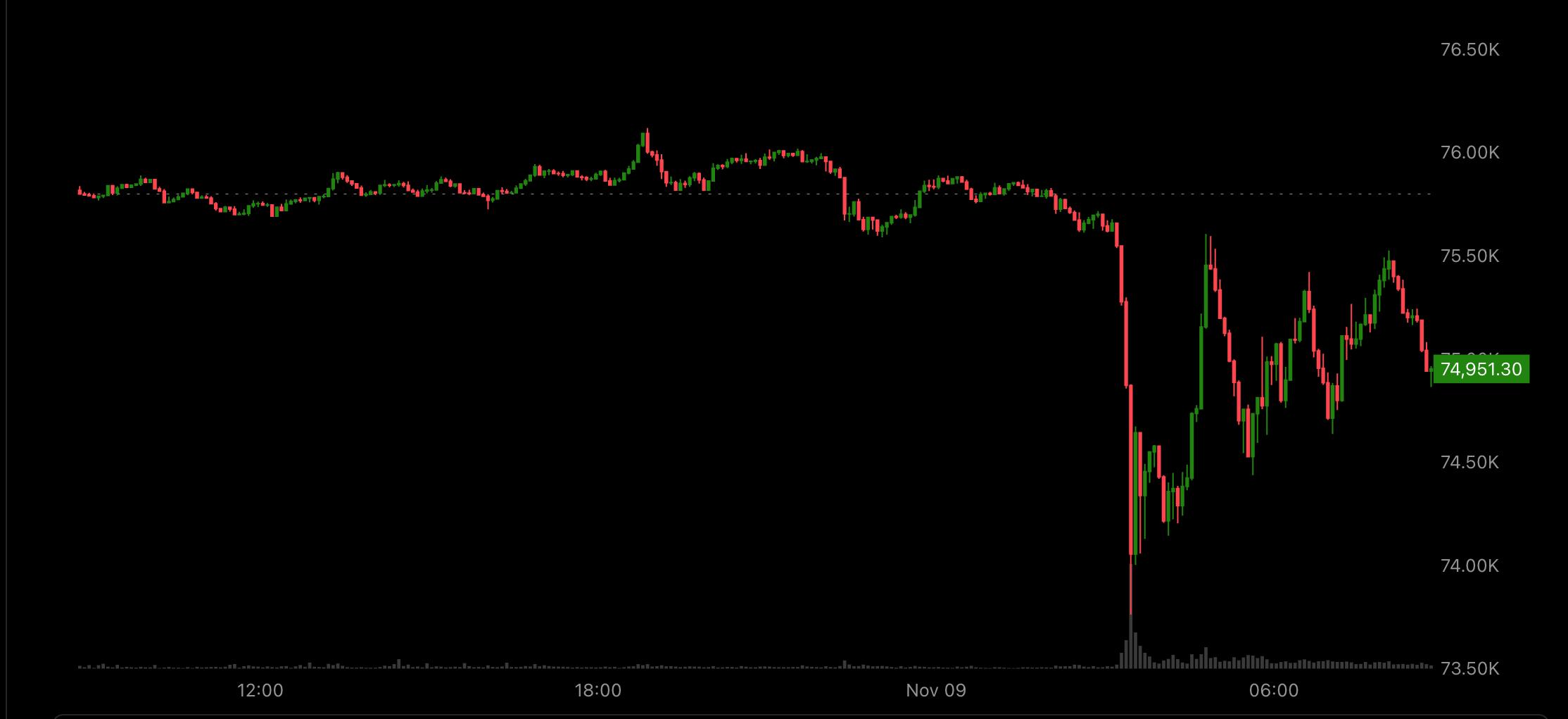
In March 2026, volatile price action triggered by the Nvidia cheating scandal and stalled Iran talks caused Bitcoin’s price to swing sharply. Traders who had taken bullish leveraged positions saw those positions liquidated, wiping out millions of dollars in unrealized profit. The rapid price swing demonstrates how external news can create sudden moves that breach margin requirements, leading to forced liquidations.
What it means for you
If you are looking for a way to earn more from crypto without mining or staking, leveraged trading might seem tempting. However, the same mechanism that can multiply a small win can also erase your entire deposit in a single move. The risk is especially high in markets that react strongly to news, regulatory changes, or macro‑economic events.
Understanding the mechanics helps you set realistic expectations. Leveraged positions are not a substitute for long‑term holding or passive income strategies; they are short‑term bets that require constant monitoring and strict risk controls.
What to check before you trade
- Leverage level: Start with the lowest multiplier you can tolerate. Higher leverage means faster liquidation.
- Margin requirement: Know the minimum equity you must maintain. Most platforms display a maintenance margin percentage.
- Liquidation price: Calculate the price at which your position will be closed automatically. Many exchanges provide a calculator.
- Funding fees: Some platforms charge periodic fees for holding leveraged positions, which can erode profits.
- Platform reputation: Use exchanges that are transparent about their margin policies and have a track record of reliable liquidations.
FAQ
Can I lose more than my initial deposit?
On most regulated platforms, you cannot lose more than the margin you posted because the position is closed once equity falls below the maintenance margin. However, on some unregulated venues, “negative balance” events can occur during extreme volatility.
How do I calculate my liquidation price?
Take your entry price, subtract (or add for a short) the amount of price movement equal to your margin divided by the leverage. Many exchanges provide a built‑in calculator that does this automatically.
Is leveraged trading suitable for beginners?
Because it magnifies both profit and loss, leveraged trading is generally recommended only after you have solid experience with spot trading and risk management. Starting with low leverage and using stop‑loss orders can help mitigate surprise losses.
What’s the difference between margin trading and futures contracts?
Both involve borrowing, but margin trading typically uses the underlying asset as collateral, while futures contracts are agreements to buy or sell at a future date and often settle in cash. Futures can offer more flexible expiry dates and sometimes lower funding costs.
This article references reporting from coindesk.com.





