Are you wondering why Bitcoin’s value can swing dramatically even when the technology itself hasn’t changed? This article explains the macroeconomic forces—such as trade policies, interest‑rate expectations, and broader risk‑asset sentiment—that move Bitcoin’s price, and what those movements mean for anyone trying to earn crypto online.
What drives Bitcoin’s price?
Bitcoin (BTC) is a digital asset that many treat as a “risk‑on” investment, meaning its price often moves in step with other high‑volatility assets like stocks, commodities, and foreign exchange. The main drivers are:
- Supply and demand dynamics. The total supply of Bitcoin is capped at 21 million coins, so price changes come from shifts in how many people want to buy or sell at any moment.
- Market sentiment. News about regulation, technology, or macro‑economic conditions can quickly change how investors feel about risk, prompting buying or selling sprees.
- Interest‑rate policy. Central banks set benchmark rates that affect the cost of borrowing. When rates rise, investors often move money out of risky assets into safer, interest‑bearing instruments.
- Trade and fiscal policy. Tariffs, trade disputes, and fiscal stimulus alter the broader economic outlook, which in turn influences risk appetite.
- Currency strength. Because Bitcoin is priced in US dollars, a stronger dollar can make Bitcoin appear more expensive for holders of other currencies, reducing demand.
These factors interact in real time, creating the price volatility that many newcomers find puzzling.
Real‑world illustration
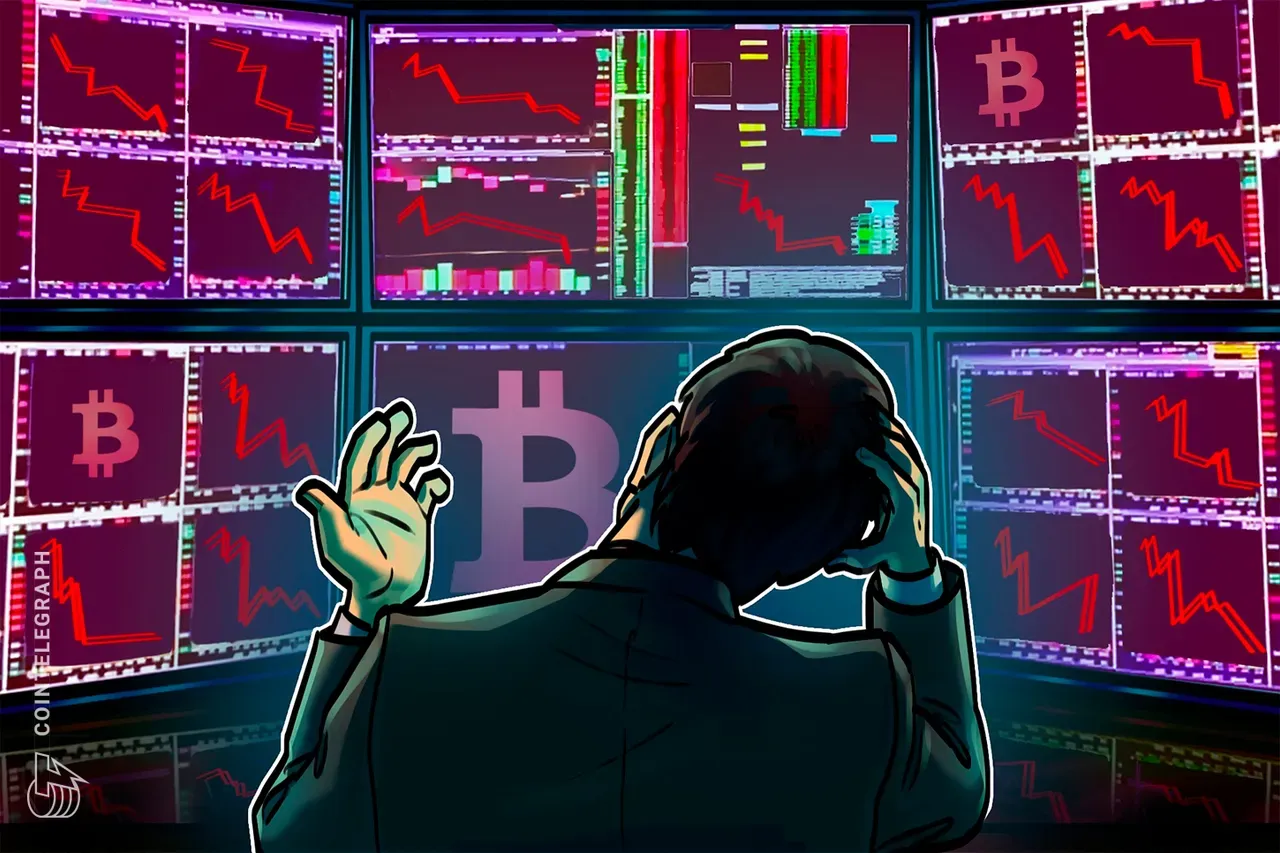
On 24 November 2026, Bitcoin slipped below $59,500 on the Bitstamp exchange. The decline coincided with reports that the United States was considering higher tariffs on imports from China and several other economies. At the same time, US equities fell, with the S&P 500 down 0.7 % and the Nasdaq Composite down 2 %. Economists linked the market weakness to concerns about the Federal Reserve’s tightening stance, which raised the probability of a 25‑basis‑point rate hike at the upcoming FOMC meeting.
This episode shows how a trade‑policy headline can ripple through the broader risk‑asset market, pulling Bitcoin down along with stocks and commodities.
What it means for you
If you are earning Bitcoin through mining, staking, or cloud‑reward platforms, price swings affect your real‑world earnings. A falling price reduces the fiat value of any newly mined or rewarded coins, while a rising price does the opposite. Because mining costs—electricity, hardware depreciation, and pool fees—are usually paid in fiat, you need to account for price volatility when estimating profitability.
For traders or investors, macro news can create short‑term opportunities. However, relying solely on headline‑driven moves without understanding the underlying forces can lead to costly mistakes.
How to evaluate macro risk
- Track central‑bank signals. Look at minutes from Federal Reserve meetings, the CME FedWatch Tool, and statements from other major banks. A clear trend toward higher rates usually signals risk‑asset pressure.
- Monitor trade policy developments. Announcements from the US Trade Representative, the European Commission, or other trade bodies can shift sentiment quickly.
- Watch correlated markets. Bitcoin often moves with the Nasdaq, S&P 500, and gold. Divergences can hint at a shift in risk perception.
- Assess your cost base. If you mine or use cloud‑reward services, calculate your break‑even price in fiat. This helps you decide whether to hold, sell, or hedge during volatile periods.
- Diversify earnings. Combining mining rewards with other crypto‑earning methods—such as staking stablecoins or providing liquidity—can smooth out the impact of Bitcoin price swings.
FAQ
Why does Bitcoin often drop when the stock market falls?
Both are considered risk assets. When investors fear economic slowdown—due to higher tariffs, rising rates, or geopolitical tension—they tend to sell riskier holdings and move into cash or bonds, causing simultaneous price drops.
Can I protect my mining earnings from price drops?
One common approach is to convert a portion of mined Bitcoin into a stablecoin or fiat soon after it’s earned, locking in value before a market dip. Another is to use hedging tools like futures contracts, though these carry their own risks.
Do higher interest rates always hurt Bitcoin?
Higher rates increase the appeal of interest‑bearing assets, which can draw money away from Bitcoin. However, the effect isn’t absolute; other factors such as regulatory news or technological upgrades can offset rate‑driven pressure.
How often should I check macro news if I’m earning Bitcoin passively?
Weekly checks are usually sufficient for long‑term earners. If you’re actively trading or managing a mining operation with tight margins, a daily glance at major economic headlines can help you react promptly.
This article references reporting from cointelegraph.com.