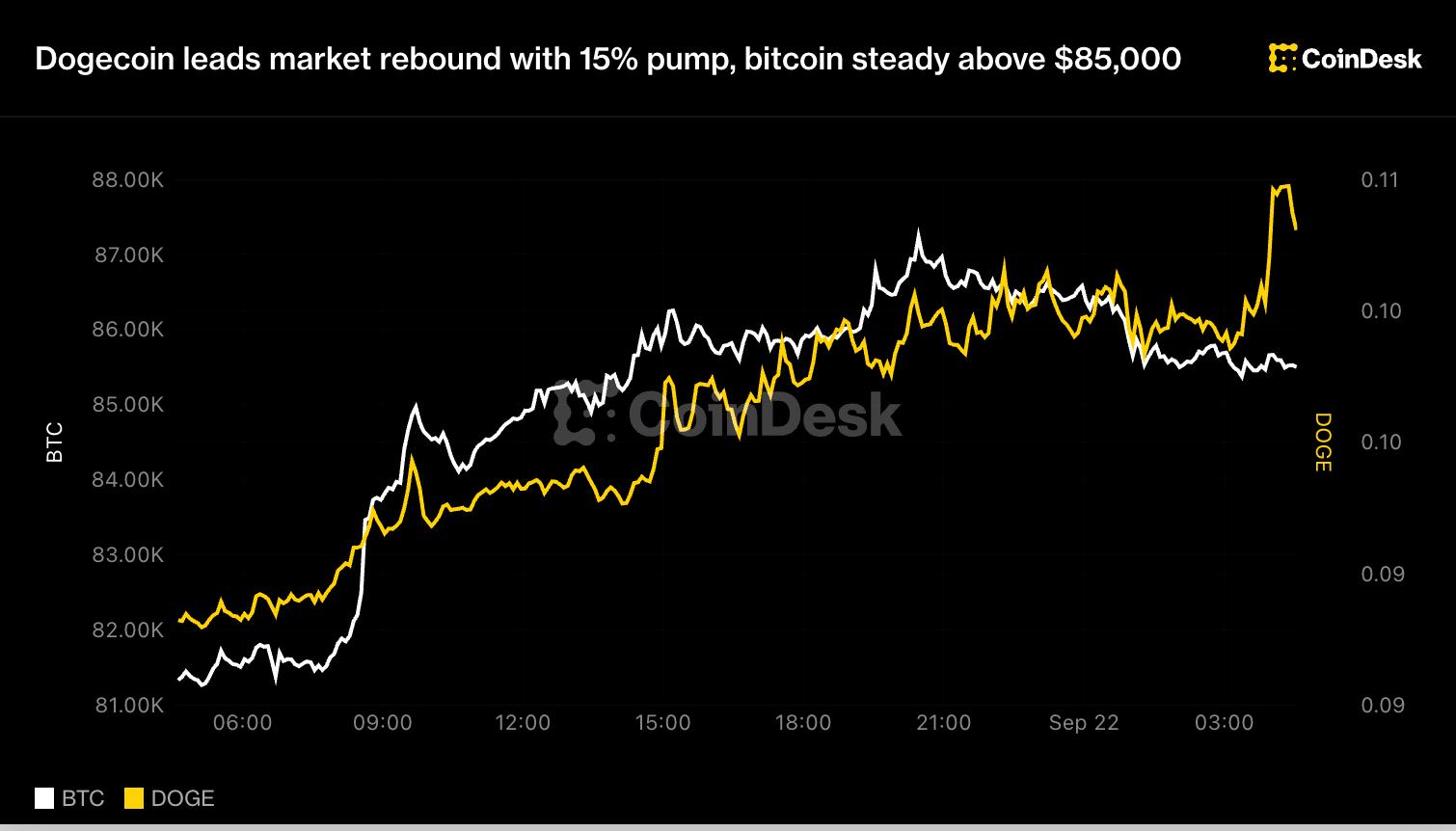
Are you curious why a coin such as Dogecoin can surge 15% in a single day and wonder if that volatility can be turned into income? This article explains what meme‑coins are, how their price movements happen, and what you should consider before trying to earn from them.
What a meme‑coin actually is
A meme‑coin is a cryptocurrency that originated from an internet meme or a community joke rather than from a technical breakthrough. The most famous example is Dogecoin, which started in 2013 as a light‑hearted tribute to the “Doge” meme. Unlike Bitcoin, which was designed as a decentralized store of value, meme‑coins typically have no unique blockchain features, limited development roadmaps, and a supply that can be extremely large or even inflationary.
Because their value is not tied to a specific utility, meme‑coins rely heavily on community sentiment, social media hype, and occasional celebrity endorsement. When a large number of people start buying at the same time, demand outpaces supply and the price rises. The opposite happens when sentiment turns negative, leading to rapid price drops.
Key terms to know:
- Market cap – the total value of all coins in circulation, calculated as price × circulating supply.
- Supply – the number of coins that exist. Some meme‑coins have no hard cap, meaning new coins keep being minted.
- Liquidity – how easily a coin can be bought or sold without moving the price too much. Low liquidity can cause big price swings on relatively small trades.
- Hype cycle – the pattern of rapid price increase driven by excitement, followed by a correction when the hype fades.
Real‑world illustration
In March 2026, Dogecoin led a market rebound with a 15% price increase while Bitcoin stayed steady above $85,000. The surge was attributed to a combination of social media buzz and a short‑squeeze on major exchanges, where traders who had bet against Dogecoin were forced to buy to cover their positions, further pushing the price up.
What this means for you
If you are looking for ways to earn online, meme‑coins present both an opportunity and a risk. The rapid price moves can generate short‑term gains if you buy before a surge and sell during the peak. However, the same volatility can wipe out those gains just as quickly when the hype fades or a negative news story appears.
Because meme‑coins lack intrinsic utility, their long‑term growth prospects are uncertain. Relying on them for a steady passive income is risky; most earnings come from active trading rather than from staking, mining, or other reward mechanisms that power more established coins.
How to evaluate a meme‑coin before you invest
- Check community activity. Look at the number of followers on official channels, the frequency of posts, and the engagement level. A lively, transparent community is a better sign than a dormant one.
- Assess liquidity. Review the average daily trading volume on major exchanges. Higher volume reduces the chance of slippage when you enter or exit a position.
- Understand the supply model. Know whether the coin has a fixed cap or an inflationary issuance schedule. Unlimited supply can dilute value over time.
- Watch for external catalysts. Celebrity mentions, meme contests, or integration into a new platform can trigger price spikes. Verify the credibility of the source before acting.
- Set clear risk limits. Decide in advance how much of your portfolio you are willing to allocate to high‑volatility assets and use stop‑loss orders to protect against sudden drops.
FAQ
Can I earn passive income from Dogecoin?
Dogecoin does not offer staking rewards or mining pools that pay out regular income to small holders. Most earnings come from buying low and selling high, which requires active management.
Is a meme‑coin ever a good long‑term investment?
Because meme‑coins lack a strong use case, their long‑term value depends almost entirely on continued community interest. Some may survive for years, but the majority lose relevance once the hype fades.
How do I avoid getting caught in a pump‑and‑dump scheme?
Look for sudden, unexplained price spikes accompanied by coordinated promotion on multiple social platforms. Verify the source of the hype and consider whether the price move is supported by real trading volume.
Should I allocate a large portion of my crypto portfolio to meme‑coins?
Financial experts generally recommend keeping high‑volatility assets to a small percentage—often under 5%—of your total crypto holdings. This limits exposure while still allowing you to participate in occasional price rallies.
This article references reporting from coindesk.com.