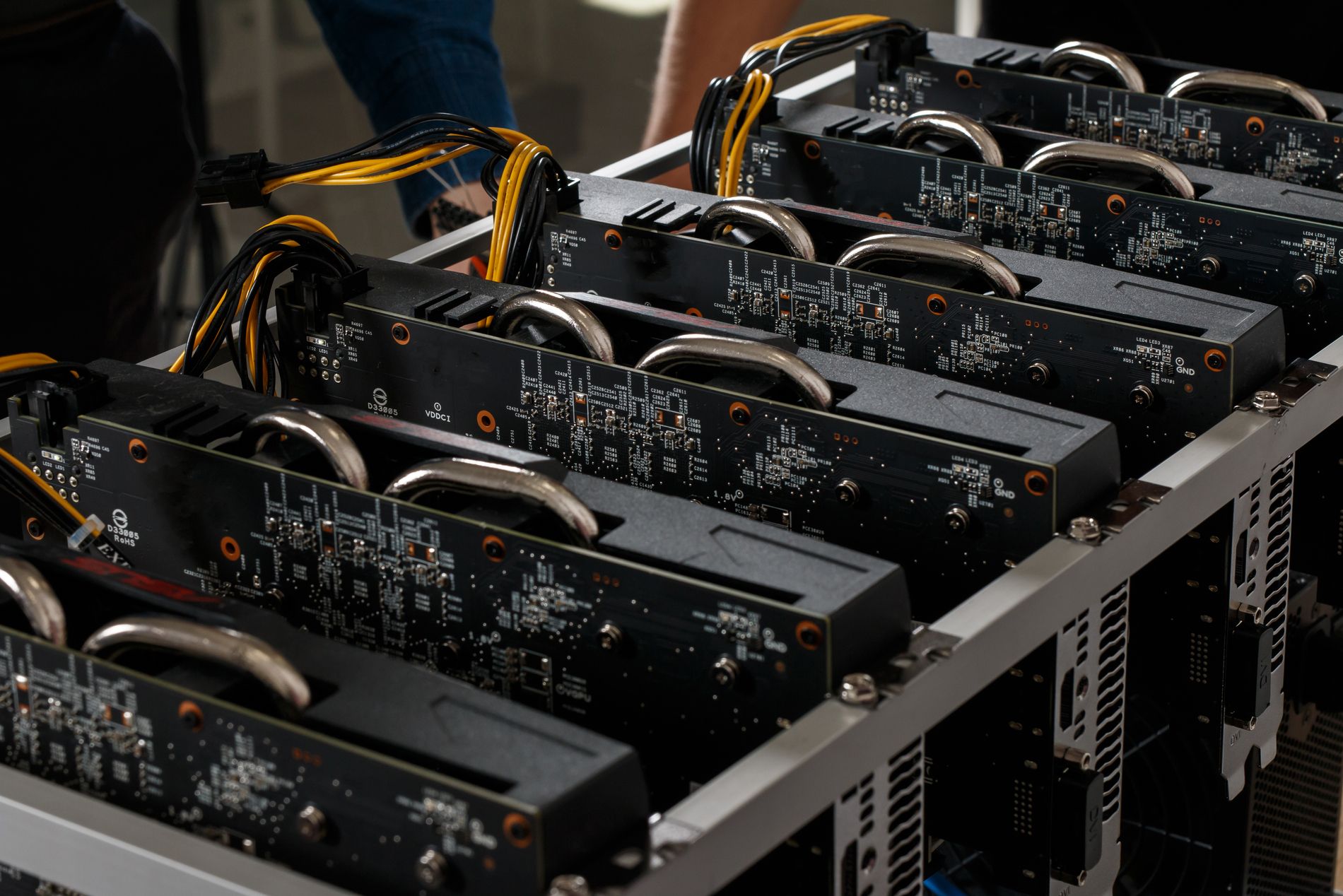
Are you worried that your crypto mining earnings could be stolen without you noticing? This article explains what a mining pool hijack is, how attackers pull it off, and what steps you can take to keep your Bitcoin rewards safe.
The plain explanation
When you mine Bitcoin, you can do it solo or join a mining pool. A pool combines the hash power of many miners and splits any block rewards proportionally. To join, you configure your mining software with the pool’s stratum URL and a worker name. The pool then sends you a share of each block it finds.
A hijack occurs when an attacker gains control of the communication between your miner and the pool. By altering the stratum URL or the worker credentials, the attacker redirects the work and the resulting rewards to a pool they control. Because the miner continues to run normally, the owner may not notice any loss until they check their earnings.
There are two common ways this can happen:
- DNS hijacking: The domain name that points to the pool’s server is changed in the DNS records. Your miner still contacts the same URL, but it is resolved to a malicious server.
- Configuration tampering: Malware on the host modifies the miner’s config file, replacing the legitimate pool address with the attacker’s address.
Both methods rely on the attacker’s ability to intercept or alter data that the miner trusts. Since mining software often runs with high privileges and communicates over plain TCP, it is a relatively easy target for those who gain access to the host or the network.
A real example
In March 2026, Luxor, a well‑known mining pool, reported that just over a dozen of its customers had their machines hijacked. The attackers redirected the miners to a different pool, siphoning the Bitcoin rewards. Luxor said the affected users would be reimbursed after the incident was resolved.
What it means for you
If you earn passive income by mining, a hijack can turn a steady stream of rewards into a loss without any obvious warning signs. Because the miner continues to produce hashes, you might assume everything is fine while the attacker quietly collects the payouts. This risk is especially relevant for small‑scale miners who rely on every satoshi to cover electricity costs.
What to check / how to judge
- Verify pool addresses: Keep a written record of the exact stratum URL and worker name you entered. Periodically compare the live config file with your record.
- Use DNSSEC or hard‑coded IPs: DNSSEC adds a layer of authentication to DNS lookups, making hijacks harder. Alternatively, point your miner directly to the pool’s IP address.
- Monitor earnings: Set up alerts or dashboards that compare expected earnings (based on hash rate) with actual payouts. Sudden drops are a red flag.
- Secure the host: Keep the operating system and mining software up to date, use a firewall to restrict outbound connections, and run the miner with the least privileges necessary.
- Choose reputable pools: Pools that offer two‑factor authentication (2FA) for account changes and provide transparent payout histories reduce the attack surface.
FAQ
How can I tell if my miner has been hijacked?
Check the pool address in your miner’s config file and compare it to the address you originally set. Also, review the payout history on your pool’s website; a sudden drop in rewards while your hash rate stays constant is a strong indicator.
Will using a VPN protect me from pool hijacks?
A VPN can hide your IP address but does not prevent DNS or config tampering. It is useful for protecting against network‑level attacks, but you still need to secure the miner’s configuration and the host system.
Is it safer to mine solo instead of joining a pool?
Solo mining eliminates the pool‑related attack vector, but the probability of finding a block on your own is extremely low unless you control a large amount of hash power. For most hobby miners, the benefits of pooling outweigh the risk, provided you follow security best practices.
Do mining pools reimburse victims of hijacks?
Some pools, like Luxor in the March 2026 incident, choose to reimburse affected users. However, reimbursement policies vary, and there is no guarantee. Protecting your own setup is the most reliable way to avoid losses.
This article references reporting from coindesk.com.