Ever wonder why a cryptocurrency’s trading volume sometimes spikes without a clear market move? This article explains what perpetual futures are, how their volume is calculated, and why a single large or repetitive trade can distort the numbers you see.
What a Perpetual Future Is
A perpetual future is a type of derivative contract that lets you speculate on the price of an asset—like Bitcoin or Ether—without owning the underlying coin. Unlike traditional futures, which have a set expiration date, perpetual contracts roll over continuously. They stay open as long as you keep the position funded.
Two key mechanisms keep the contract’s price in line with the spot (cash) market:
- Funding rate: Periodic payments exchanged between long (buy) and short (sell) positions. If the contract trades above the spot price, longs pay shorts; if below, shorts pay longs. This incentive nudges the contract price back toward the spot price.
- Mark price: A calculated price used for liquidations, typically a weighted average of several exchanges. It prevents sudden price spikes from wiping out traders.
Because there is no expiry, traders can hold positions indefinitely, making perpetuals popular for both short‑term speculation and longer‑term “passive” exposure.
How Trading Volume Is Measured
Trading volume on a perpetual market counts every contract that changes hands. If a trader opens a 10‑contract position and later closes it, that counts as 20 contracts of volume—10 for the opening trade and 10 for the closing trade. Exchanges report the total number of contracts traded over a given period, often in “contract‑months” or “contract‑units.”
Volume is a useful metric because it indicates market activity and liquidity. High volume usually means tighter spreads (the difference between bid and ask prices) and lower slippage (the price change caused by your own trade). However, volume alone does not reveal who is on the other side of the trade or whether the activity reflects genuine market interest.
Real‑World Illustration: The Kalshi Anomaly
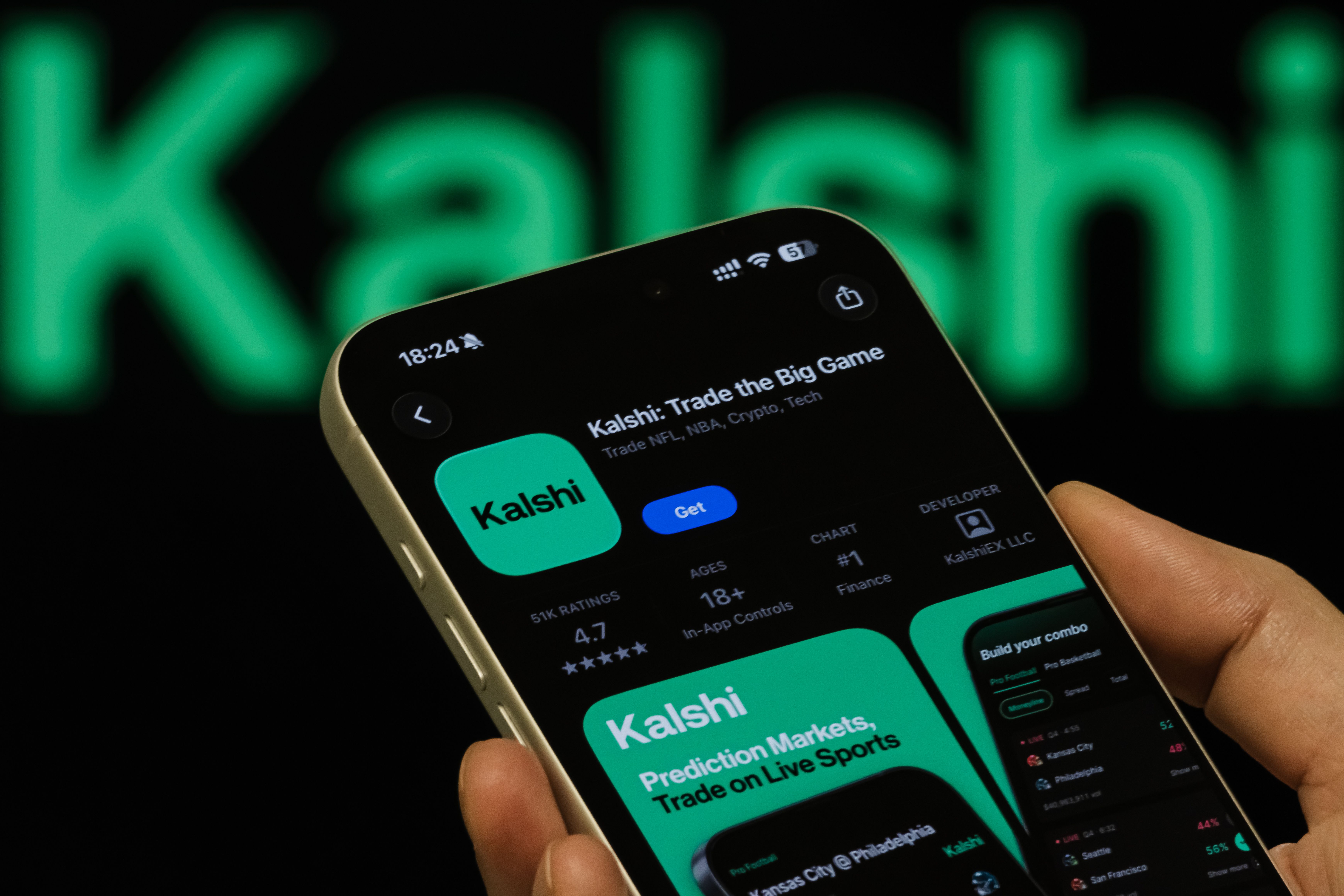
In March 2026, data from the regulated derivatives exchange Kalshi showed that Bitcoin and Ether perpetual contracts were dominated by an “unusual, repetitive trade.” The same trade pattern appeared repeatedly over a short window, inflating the reported volume for both assets. While the exact details of the trade were not disclosed, analysts noted that a single participant—or a coordinated group—was repeatedly opening and closing large positions, creating the illusion of heightened market activity.
This example demonstrates how a single actor can skew volume metrics. Because each opening and closing counts as separate trades, a repetitive strategy can make the market appear far more active than it truly is.
What It Means for You
If you are looking to earn passive income or trade on price movements, understanding the quality of volume is essential. A market with inflated volume may still have thin real liquidity, meaning your order could move the price more than expected. This can affect:
- Execution price: You might receive a worse fill than anticipated if the apparent depth is artificial.
- Funding costs: In perpetuals, funding rates are calculated based on the net long‑short imbalance. A single trader repeatedly flipping positions can temporarily distort the rate, leading to unexpected payments.
- Risk assessment: High volume is often used as a proxy for safety. If the volume is misleading, the perceived risk may be lower than the actual risk.
What to Check Before Trading Perpetuals
To avoid being caught off guard by artificial volume, consider the following checks:
- Look beyond raw volume: Examine the order book depth and recent trade history. A healthy market will show consistent bid‑ask layers.
- Check funding rate trends: Sudden spikes or reversals may indicate an imbalance caused by a large participant.
- Compare multiple exchanges: If one platform shows unusually high volume compared to others, investigate further.
- Review open interest: This metric shows the total number of contracts still open. Rising open interest alongside volume suggests genuine participation.
- Read exchange transparency reports: Regulated venues often publish data on large trader activity, helping you gauge market health.
FAQ
Why do perpetual contracts have no expiration?
They are designed for continuous exposure. The funding rate mechanism replaces the need for a settlement date by regularly aligning the contract price with the spot market.
Can I lose more than my initial margin on a perpetual?
Yes. If the market moves sharply against your position and your margin falls below the maintenance requirement, the exchange can liquidate your position, potentially wiping out your collateral and incurring additional fees.
How can I tell if volume is genuine?
Cross‑check volume with open interest, order‑book depth, and funding rate stability. Consistency across multiple exchanges is a good sign of authentic activity.
Is trading perpetuals a good way to earn passive income?
Perpetuals can generate income through funding payments if you hold the side that receives them, but the strategy carries market risk, funding volatility, and liquidation risk. Evaluate your risk tolerance and consider diversifying with other earning methods.
This article references reporting from coindesk.com.